# Concrete Formwork System: Efficient Solutions for Modern Construction
A concrete formwork system is essential for any construction project requiring the shaping and support of poured concrete. It streamlines the concrete pouring process by providing the necessary framework that ensures the material sets correctly, allowing for structural integrity and precision. This page is designed to assist contractors, construction managers, and builders in comparing various formwork solutions, thereby simplifying your buying decisions. Discover diverse options, including traditional wooden forms and advanced modular systems, to find the best fit for your project's specifications, budget, and timeline.
## Find the Right Concrete Formwork System for Your Needs
When it comes to selecting the ideal concrete formwork system, it’s crucial to consider both the logistical requirements of your project and the available options. This page provides a comprehensive comparison of various formwork products, highlighting their unique features and applications. With detailed specifications, you can gauge which system will optimize your workflow and ultimately save time and costs. Our aggregation allows you to make informed choices tailored to your construction needs, whether it's for residential buildings, commercial structures, or infrastructure projects.
### Formwork Options
**1. Traditional Wooden Formwork**
*Use Case:* Ideal for smaller or custom projects needing flexibility in design.
*Key Specification:* Made from high-quality plywood with a thickness ranging from 18mm to 25mm.
*Buyer Benefit:* Easy to mold into any desired shape and provides excellent surface finish.
*Measurable Detail:* Can be reused up to 15 times before replacement is needed, offering good value for small-scale jobs.
**2. Metal Formwork System**
*Use Case:* Best for high-rise buildings and large-area pours requiring durability.
*Key Specification:* Constructed from galvanised steel with thickness up to 3mm.
*Buyer Benefit:* Offers superior structural support and longevity, reducing the need for frequent replacements.
*Measurable Detail:* Capable of withstanding up to 70 tons of pressure without deformation.
**3. Modular/Pre-Fabricated Formwork**
*Use Case:* Suitable for both residential and commercial applications, designed for efficiency.
*Key Specification:* Modular components with a size configuration of 1m x 2m sections.
*Buyer Benefit:* Facilitates quick assembly and dismantling, helping reduce labor time on-site.
*Measurable Detail:* Can decrease construction time by up to 30% compared to traditional methods.
**4. Insulated Concrete Formwork (ICF)**
*Use Case:* Often used in energy-efficient and sustainable building designs.
*Key Specification:* Comprises 2-inch foam insulation with a concrete core of at least 6 inches.
*Buyer Benefit:* Provides excellent thermal insulation, reducing energy costs for heating and cooling.
*Measurable Detail:* Can improve energy efficiency by up to 50% in comparison to conventional walls.
**5. AluForm Systems**
*Use Case:* Perfect for repetitive projects like high-rises that require uniformity.
*Key Specification:* Composed of lightweight aluminum with a thickness of 2.5mm.
*Buyer Benefit:* Faster setup due to lighter materials, lowering overall construction costs.
*Measurable Detail:* Reduces transport weight by up to 40% compared to traditional steel forms.
**6. Composite Formwork**
*Use Case:* Versatile for various applications, combining materials for optimized performance.
*Key Specification:* Features a combination of PVC and lightweight metals.
*Buyer Benefit:* Provides a balance of strength and ease of use, minimizing labor efforts.
*Measurable Detail:* Can handle 60% more weight compared to standard plastic forms, ensuring reliability.
## What Buyers Should Consider First
When selecting a concrete formwork system, consider the project scale and complexity. For larger projects, durability and reusability are key factors that affect long-term costs. Another consideration is the weight of the formwork material, as lighter options can lead to faster installation and reduced labor expenses. Ensure compliance with local building codes and standards to navigate the regulatory landscape efficiently. Lastly, evaluate customization options to cater to specific design requirements that may arise throughout the construction process.
[Inquire Today]

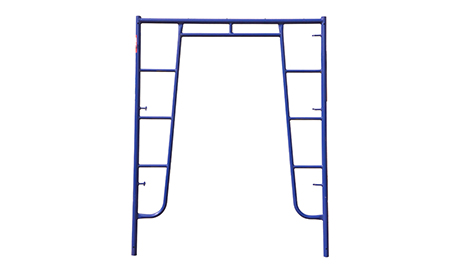
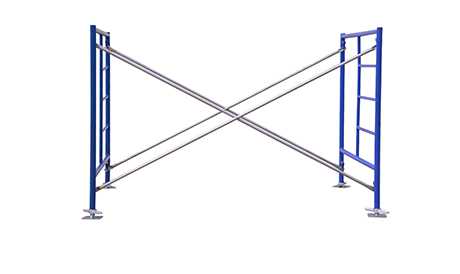
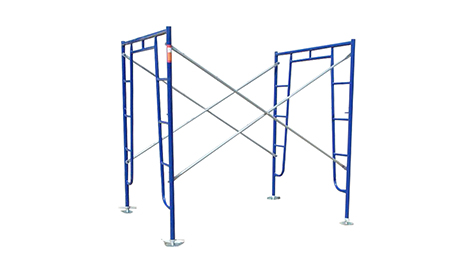
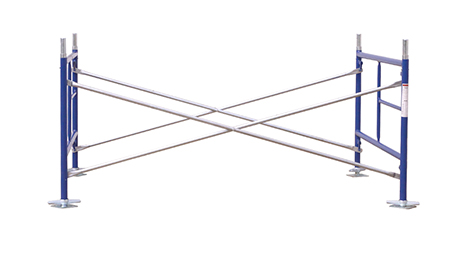
 ringlock multidirectional scaffolding system