# Comprehensive Guide to Construction Formwork Systems
When it comes to building structures, a reliable and efficient construction formwork system is crucial. This product category encompasses a variety of supports and molds used in the construction process, helping to shape concrete and support it until it hardens. Buyers of construction formwork systems typically include contractors, project managers, and civil engineers who need to find the right solution to optimize their project timelines and budgets. This page assists users by aggregating various formwork options, ensuring they can effectively compare features, pricing, and applications to make informed procurement decisions.
## Explore the Ideal Construction Formwork Solutions for Your Projects
This page is designed to guide buyers in selecting the most suitable construction formwork systems for their specific needs. By providing a comparison of available product options, users can assess factors such as material type, suitability for various applications, and compliance with building standards. We offer a range of choices suitable for projects of all sizes, from small residential constructions to large-scale commercial endeavors. Whether you are looking for lightweight aluminum formwork or traditional wooden systems, our aggregation helps simplify your selection process, enabling you to find the best solution.
### Product Options
#### Aluminum Formwork System
- **Use Case**: Ideal for large-scale residential projects.
- **Key Specification**: Lightweight and durable, featuring modular components for quick assembly.
- **Buyer Benefit**: Reduces labor costs by up to 30% due to faster installation times.
- **Measurable Detail**: Capable of supporting loads up to 75 kN.
#### Modular Steel Formwork
- **Use Case**: Suited for complex architectural designs and high-rise buildings.
- **Key Specification**: Heavy-duty steel construction with adjustable components.
- **Buyer Benefit**: Offers enhanced flexibility, accommodating varied shapes and forms.
- **Measurable Detail**: Designed to withstand pressures of up to 100 kN/m².
#### Traditional Timber Formwork
- **Use Case**: Often used for smaller residential structures and DIY projects.
- **Key Specification**: Made from quality plywood with customizable sizes.
- **Buyer Benefit**: Cost-effective and easy to manipulate for bespoke shape requirements.
- **Measurable Detail**: Available in thicknesses ranging from 12mm to 20mm.
#### Plastic Formwork System
- **Use Case**: Excellent for projects with repetitive castings, like school buildings.
- **Key Specification**: Lightweight and reusable, resistant to concrete adhesion.
- **Buyer Benefit**: Reduces waste and overall project costs through reusability.
- **Measurable Detail**: Can last through 100+ cycles, maintaining form integrity.
#### Insulated Concrete Formwork (ICF)
- **Use Case**: Best for energy-efficient residential building projects.
- **Key Specification**: Combines structural strength with insulation capabilities.
- **Buyer Benefit**: Provides improved energy saving, reducing heating costs by up to 50%.
- **Measurable Detail**: Walls can achieve an R-value of up to 25.
### Critical Considerations for Prospective Buyers
When considering a construction formwork system, there are several vital factors to evaluate. First and foremost is the material – different materials offer varying degrees of durability, weight, and cost, impacting overall project feasibility. Secondly, compatibility with the intended application is crucial; certain systems work better in specific conditions, such as high-load scenarios. Compliance with local building codes and standards is also paramount, ensuring safety and structural integrity. Finally, price drivers, such as installation costs and reusability, should be considered to stay within budget while maximizing project efficiency.
[Inquire About Your Formwork Options]

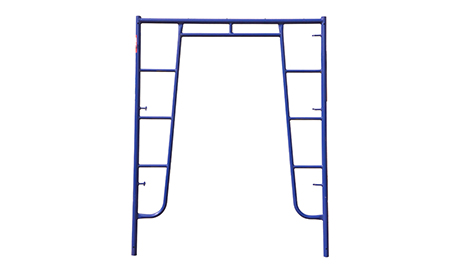
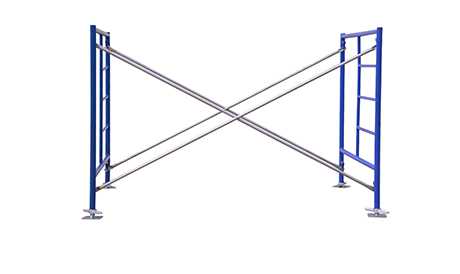
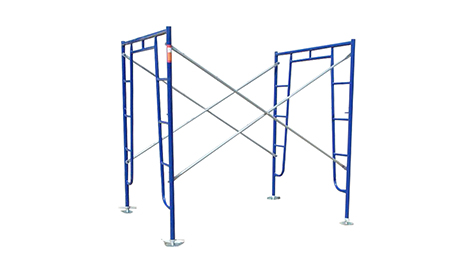
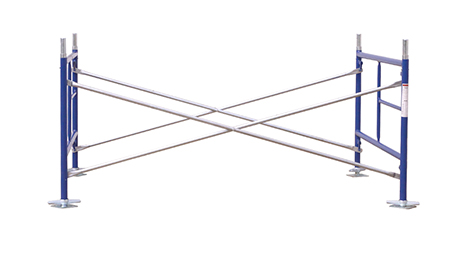
 multi-function scaffolding system for construction