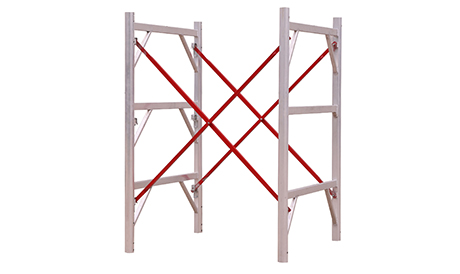
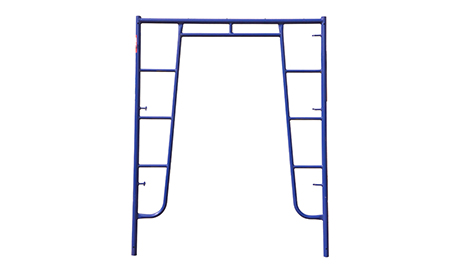
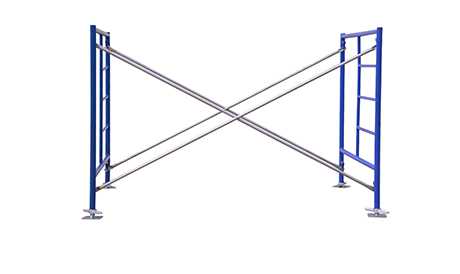
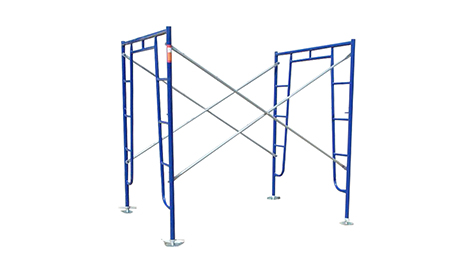
Frame scaffolding for building renovation has become an essential component in the construction and renovation industry. This specialized type of scaffolding is designed to provide robust support and stable access for workers engaged in various renovation activities, such as facade restoration, painting, and structural repairs. Frame scaffolding consists of interconnected frames that form a secure platform, allowing contractors to safely reach elevated areas while ensuring a safe working environment.
The importance of frame scaffolding cannot be overstated, particularly in renovation projects where access to both interior and exterior building surfaces is crucial. With the increasing complexity of renovation tasks, including historical restorations or adaptation of buildings to modern standards, reliable scaffolding solutions like frame scaffolding have become indispensable. Durable materials, typically steel or aluminum, are used in constructing these frames, contributing to their strength and longevity, even under heavy loads.
Frame scaffolding systems are designed to comply with strict safety regulations and standards, underscoring the industry’s commitment to worker safety. Professional scaffolding companies employ skilled technicians who have undergone rigorous training in assembling and dismantling these systems. Their expertise ensures that the scaffolding is erected correctly, minimizing the risk of accidents on site. Additionally, these professionals often perform regular inspections, further enhancing the safety measures in place.
Moreover, frame scaffolding offers a flexible solution that can be adapted to different building shapes and sizes. Its modular design allows for quick assembly, making it ideal for projects with tight timelines. Whether it’s a high-rise building or a single-story home, frame scaffolding can be configured to meet the specific needs of the renovation efforts, providing uninterrupted access to workers and materials.
From an environmental perspective, frame scaffolding also supports sustainable building practices by facilitating rehabilitation efforts that prolong the life of existing structures, reducing the need for demolition and new construction. This aligns with contemporary architectural trends focused on preserving historical heritage while meeting modern building codes.
In summary, frame scaffolding plays a pivotal role in building renovation projects, emphasizing safety, efficiency, and adaptability. With experienced professionals overseeing its implementation, this scaffolding system not only enhances the renovation process but also contributes to the overall quality and integrity of the construction industry. It stands as a testament to the advancements in building practices, prioritizing both worker safety and environmental sustainability.

 multidirectional scaffolding for maintenance work