**Search Intent:** Users are looking for information and options regarding temporary formwork systems, likely for construction projects.
**Buyer Profile:** Primarily contractors and project managers in the construction industry, as well as engineers seeking effective formwork solutions for building projects.
**SERP Angle:** Presenting various options for temporary formwork systems, comparing key specifications, and emphasizing usability and cost-effectiveness to guide buyers toward informed decisions.
**Differentiation Opportunity:** Emphasizing detailed specifications and user reviews to create a more informative resource than competitors, highlighting unique features and case studies that cater to specific construction needs.
---
# Temporary Formwork System: Find the Perfect Solution for Your Construction Needs
A **temporary formwork system** is essential for efficiently supporting concrete structures during the construction process. This page provides a comprehensive overview of various temporary formwork options, allowing you to compare products based on their features, specifications, and suitability for your projects. Whether you're a contractor needing a versatile solution for high-rise buildings or a project manager seeking cost-effective options for residential developments, this guide will help you choose the right temporary formwork system. Expect to find solutions that vary from lightweight systems ideal for smaller projects to robust design options for large-scale builds.
## Exploring Temporary Formwork System Options
When considering a temporary formwork system, there are several key categories and variations to assess based on your project's specific needs. These options range from traditional timber formwork to modern modular systems, each with unique benefits and applications. Factors such as load-bearing capacity, ease of assembly, and material type are critical in deciding on the ideal system. For example, aluminum formwork offers quick installation times, while plastic formwork systems are popular for their lightweight and reusable nature.
### Versatile Aluminum Formwork
Aluminum formwork systems are designed for efficient construction of concrete structures such as apartments and commercial buildings. With a load capacity of up to 60 kN per square meter, these systems enable fast assembly and disassembly, reducing labor costs and improving project timelines. Aluminum’s durability ensures that these systems can be reused multiple times, providing an attractive return on investment for contractors.
### Lightweight Plastic Formwork
Plastic temporary formwork is an innovative solution for small to medium-scale construction projects. Weighing less than traditional systems, it’s easy to transport and handle, allowing for quicker setup. These systems are ideal for foundations and walls, with a load-bearing capability up to 40 kN per square meter. They also offer environmental benefits through their reusability and recyclability, appealing to contractors focused on sustainability.
### Traditional Timber Formwork
Timber formwork remains a popular choice for many construction projects due to its availability and versatility. It is customizable to fit various project requirements and can be shaped into complex designs. However, timber requires more time for assembly compared to modern systems. Typically, wood formwork systems support loads of up to 30 kN per square meter, making them suitable for smaller projects or intricate designs.
### Modular System Solutions
Modular temporary formwork systems are prefabricated and can be customized to fit specific project dimensions. These systems can handle loads of 50 kN per square meter and are ideal for repetitive designs such as high-rise buildings. The use of modular systems can significantly reduce construction time, minimizing labor costs while ensuring high quality and safety standards are met.
### Custom Formwork Systems
If your project has unique requirements, custom formwork systems may be the solution. These can be designed to meet specific load capacities, shapes, and sizes, ensuring optimal performance in any project condition. Working with experienced manufacturers can yield solutions tailored to your exact specifications, which can enhance project efficiency and safety.
## Buyer Advantages and Decision Factors
When selecting a temporary formwork system, consider several critical decision factors. First, assess the **load capacity** required for your project; ensuring the formwork can withstand the weight of the concrete is essential for safety. Next, analyze the system's **usability** regarding assembly and disassembly times, as this will impact your overall project timeline and labor costs. **Customization options** might be necessary for projects with unique requirements, ensuring that the selected system meets all specifications. Finally, the **total cost** of the formwork, including transportation, setup, and resale value, can greatly influence your decision, making it important to consider all associated expenses.
[Inquire about your options]

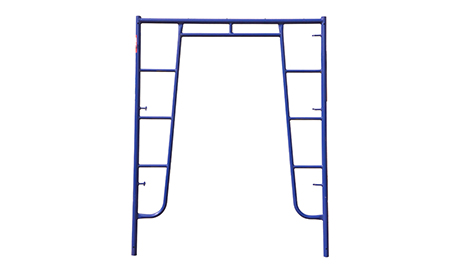
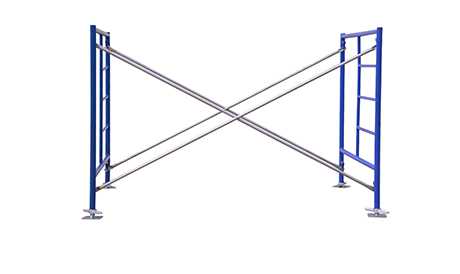
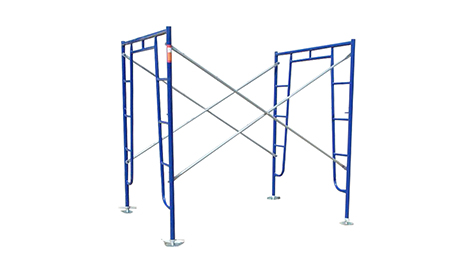
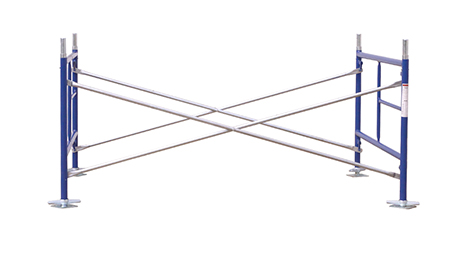
 scaffolding system for bridge construction