**Search Intent:** The search intent behind "Heavy Duty Formwork System" is likely informational and transactional. Users are seeking to understand the features and options available for heavy-duty formwork systems, comparing products to make informed purchasing decisions for construction or engineering purposes.
**Buyer Profile:** The typical buyer is likely a construction manager, project engineer, or procurement officer in the construction industry responsible for selecting and sourcing equipment that meets the project specifications and budget requirements.
**SERP Angle:** The SERP angle focuses on offering comprehensive product comparisons, including specifications and pricing, to guide users towards suitable heavy-duty formwork system options for various construction projects.
**Differentiation Opportunity:** The opportunity lies in providing detailed specifications, user testimonials, and comparison charts that highlight the durability, versatility, and cost-effectiveness of different formwork systems, helping users make informed choices tailored to their project needs.
---
# Discover the Best Heavy Duty Formwork System for Your Construction Needs
When it comes to selecting a **Heavy Duty Formwork System**, understanding your options is crucial. This landing page serves as a comprehensive guide to various heavy-duty formwork solutions, helping you compare specifications, benefits, and applications of different products on the market. Whether you're constructing high-rise buildings or complex structures, we provide insights into the most reliable systems that meet the demanding requirements of large-scale projects. Read on to discover the options available that will elevate your construction efficiency and safety.
## Exploring Your Heavy Duty Formwork System Options
Heavy duty formwork systems are essential for ensuring structural integrity in construction projects where high loads and durability are a concern. The options available typically include traditional timber formwork, steel formwork, and modular systems designed for easy assembly and disassembly. Each option caters to different project demands, with variations in material, design, and application. For instance, while timber can be cost-effective for small projects, steel formwork offers enhanced strength and reusability for larger operations. Understanding these variations helps in selecting the appropriate solution tailored to your project’s specific needs.
### Options for Heavy Duty Formwork Systems
#### 1. Steel Frame Formwork
Designed for heavy lifting and high-strength applications, steel frame formwork systems provide exceptional durability. Capable of withstanding loads of up to 60 kN/m², these systems are ideal for high-rise construction projects. Their modular design allows for rapid assembly and disassembly, which can significantly reduce labor costs and project timelines.
#### 2. Aluminum Formwork
Known for its lightweight properties, aluminum formwork systems are perfect for projects requiring quick turnaround times. With a load capacity of 30 kN/m², they facilitate efficient concrete pouring with minimal setup time. This option is favored for residential buildings and mid-rise constructions where speed is paramount.
#### 3. Plywood Formwork
Traditionally used in many projects, plywood formwork offers flexibility and is suitable for complex shapes and designs. It can accommodate loads up to 20 kN/m². Given its cost-effectiveness, it’s a popular choice for small-scale projects, though it may require more maintenance than metal alternatives.
#### 4. Modular Formwork Systems
These systems allow for pre-fabrication, which means they can be customized to dimensions specific to your project’s needs. Capable of handling loads similar to steel formwork, modular systems can be reconfigured for different applications, enhancing usability across various construction types.
#### 5. Adjustable Formwork
Adjustable formwork systems provide flexibility for various wall heights and thicknesses, making them suitable for diverse construction projects. Capable of supporting up to 40 kN/m², they offer significant adaptability while ensuring safety and compliance with building regulations.
#### 6. Insulated Concrete Forms (ICFs)
Combining formwork with energy-efficient insulation, ICFs not only support concrete placement but also contribute to energy savings. Their design can support loads exceeding 50 kN/m², making them suitable for residential and commercial construction where temperature control is essential.
## Evaluating the Advantages of Heavy Duty Formwork Systems
When considering a heavy-duty formwork system, several key decision factors come into play. First, assess the suitability of the system for your project's load requirements and structural needs. Different projects may necessitate specific compliance standards, which can influence the type of formwork chosen. Additionally, evaluating customization options is critical, as tailored solutions can improve efficiency and reduce waste. The total cost of ownership (TCO) should also be a significant factor, factoring in initial purchasing costs, maintenance expenses, and potential for reuse across multiple projects. Lastly, usability and sourcing efficiency can optimize project management and timelines, proving essential for successful project completion.
[Inquire About Options]

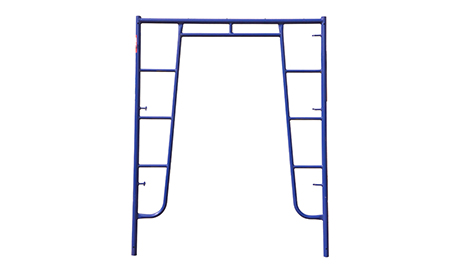
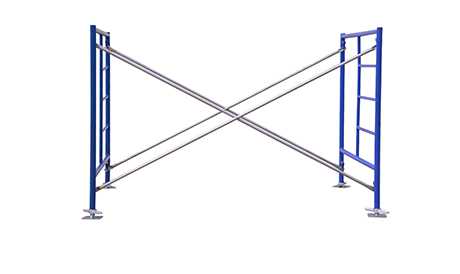
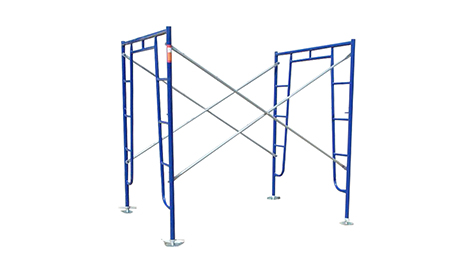
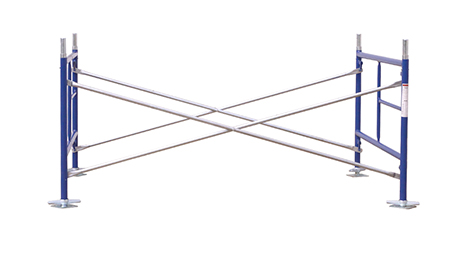
 safe working platform scaffolding system