The cuplock scaffolding system, widely recognized for its robust design and versatility, is an indispensable component in construction and maintenance projects. Understanding the load capacity of this system is critical for ensuring safety and structural integrity during operations. The cuplock system consists of vertical standards, horizontal ledgers, and diagonal braces, all connected using unique cup and spigot joints. This innovative connection method enables efficient load distribution and enhances the system’s overall strength.
The load capacity of a cuplock scaffolding system is influenced by several factors, including the materials used, the design configuration, and the working conditions. Typically constructed from high-strength steel or aluminum alloys, these materials are carefully selected to withstand various loads, including dead loads (the weight of the scaffolding itself and any additional materials) and live loads (the weight of workers and equipment). Each component within the system is engineered to meet rigorous standards, ensuring that the scaffolding can support not only the weight of personnel but also any tools and materials required for the task at hand.
Moreover, the load capacity is governed by adherence to established codes and guidelines that dictate safety practices in scaffolding use. These guidelines, provided by organizations such as OSHA (Occupational Safety and Health Administration) in the United States and various other regulatory bodies worldwide, specify maximum load limits and recommend proper assembly techniques to optimize safety. Expert assessment and periodic inspection of the scaffolding system are essential in maintaining its load-bearing functionality, as environmental factors like wind, moisture, and ground stability can affect its performance.
Experience plays a pivotal role in the installation and management of cuplock scaffolding systems. Skilled professionals who specialize in scaffolding design and application understand the nuances of load calculations and can provide insights into optimizing the system based on specific project requirements. By leveraging their expertise, these professionals ensure that the scaffolding structure is not only compliant with relevant regulations but also capable of supporting the anticipated loads without compromising safety.
In summary, the cuplock scaffolding system offers a reliable and adaptable solution for various construction scenarios, particularly when its load capacity is meticulously evaluated and adhered to. For successful implementation, collaboration with experienced scaffolding professionals is crucial, ensuring that all safety and engineering principles are observed. This commitment to quality and safety underpins the authoritative standing of cuplock scaffolding within the construction industry.

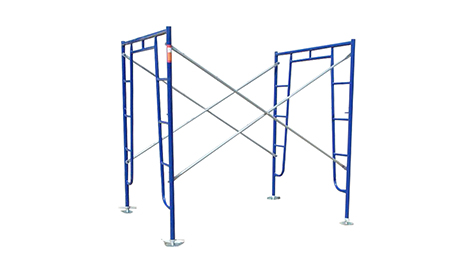
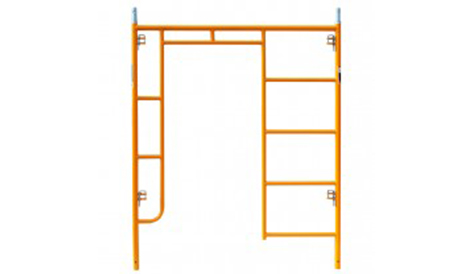
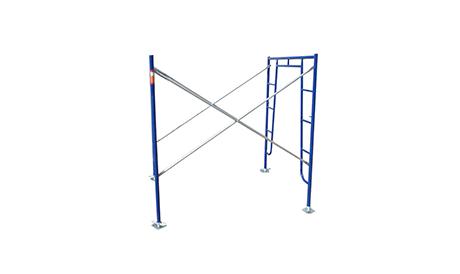
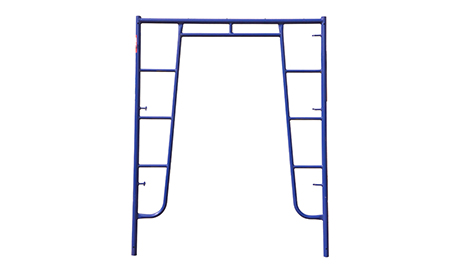
 multidirectional scaffolding for tunnel projects