## Understanding Heavy Duty Frame Scaffolding Systems
Heavy duty frame scaffolding systems are essential components in construction and industrial projects, providing a stable platform for workers and materials. These systems are designed to support substantial loads while ensuring safety and efficiency on job sites. Understanding how this scaffolding system works involves examining its key components and the advanced technologies that enhance its functionality.
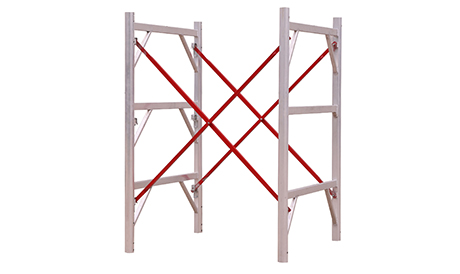
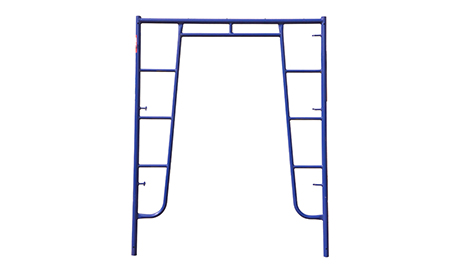
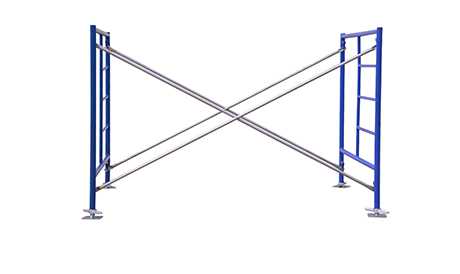
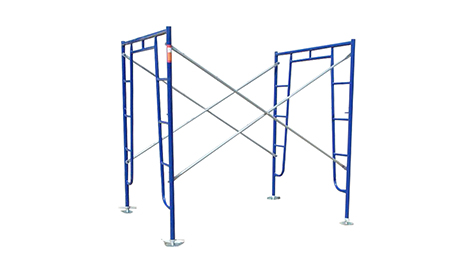
At the core of a heavy duty frame scaffolding system are the frames themselves, typically made from durable materials such as steel or aluminum. Each frame consists of vertical posts, horizontal members, and diagonal braces that form a rigid structure. The frames interconnect to create a scaffold configuration that offers maximum stability. Additional components include base plates, which anchor the scaffold to the ground; adjustable jacks, which allow for height adjustments; and decking, which provides a flat working surface.
One of the most significant advancements in heavy duty scaffolding technology is the use of engineered design software that optimizes the load distribution across the frame system. This software enables engineers to simulate various load scenarios and material stresses, ensuring that the scaffold can handle the demands of the job. Furthermore, advancements in manufacturing techniques, such as precision welding and automated cutting machinery, allow for greater accuracy and consistency in the production of scaffolding components.
Heavy duty frame scaffolding systems are applied extensively in various scenarios. In large-scale construction projects, such as skyscrapers or bridge constructions, these scaffolds support workers and equipment at significant heights, facilitating tasks like painting, repairs, or installations. In industrial settings, they are used for maintenance of machinery and infrastructure, ensuring that workers can safely access elevated areas without compromising their safety.
Moreover, the integration of smart technology—such as load sensors and real-time monitoring systems—has taken the functionality of heavy duty scaffolds to the next level. These innovations provide immediate feedback on the weight and stress levels on the scaffold, alerting users to potential safety hazards before they become critical issues.
In conclusion, heavy duty frame scaffolding systems are indispensable in modern manufacturing and construction environments, where efficiency and safety are paramount. The incorporation of advanced technology not only enhances production processes but also ensures that these scaffolding systems can withstand the rigors of demanding applications. For more information on heavy duty frame scaffolding solutions, contact us, and explore options from various suppliers in the market today.

 customized scaffolding system components