**Search Intent**
Users are seeking information on plastic formwork systems, likely with the intention of evaluating different products for construction projects. They want to compare options based on functionality, price, and application.
**Buyer Profile**
The target buyers include construction professionals, contractors, and project managers looking for reliable and efficient formwork options. They may work on residential, commercial, or civil engineering projects.
**SERP Angle**
The page aims to provide comprehensive product comparisons, detailed features of different plastic formwork systems, and benefits that clearly articulate how the choices available can meet various construction needs.
**Differentiation Opportunity**
The opportunity lies in focusing on long-term cost savings, unique customization options of plastic formwork, and enhanced usability over traditional materials.
---
# Discover the Best Plastic Formwork System for Your Construction Needs
When it comes to selecting a reliable plastic formwork system, understanding your options is crucial for successful project outcomes. This page will guide you through various plastic formwork systems available in the market, comparing features and specifications to help construction professionals make informed decisions. Here, you’ll find essential details about key products, including their load-bearing capacities, adaptability to different projects, and how they stack up against other formwork materials.
## Exploring the Range of Plastic Formwork Systems
Plastic formwork systems are available in various types tailored for specific applications in construction. These modular systems are lightweight yet durable, providing flexibility for geometric configurations and challenging design requirements. For instance, modular plastic panels can be used for both vertical and horizontal applications, allowing contractors to tackle diverse projects efficiently. Innovations in this segment also emphasize eco-friendliness, as many systems are designed to be reusable and recyclable, significantly reducing material waste during construction.
### Option 1: Modular Plastic Panels
Use Case: Ideal for residential building projects.
Key Specification: Each panel can support up to 10 kN per square meter.
Buyer Value: Offers easy assembly and disassembly, saving time on job sites and reducing labor costs.
### Option 2: Lightweight Plastic Coatings
Use Case: Perfect for complex architectural designs.
Key Specification: Designed for curved and angled surfaces with a bend radius as low as 500mm.
Buyer Value: Enhances design freedom without compromising structural integrity.
### Option 3: Reusable Formwork Systems
Use Case: Recommended for multiple-use projects like commercial builds.
Key Specification: Life expectancy of up to 500 uses.
Buyer Value: Reduces total costs significantly over time due to high durability and longevity.
### Option 4: Eco-Friendly Plastic Formwork
Use Case: Suitable for projects with environmental sustainability goals.
Key Specification: Made from 100% recycled materials, reducing carbon footprint by up to 30%.
Buyer Value: Aligns with green building practices, appealing to environmentally conscious clients.
### Option 5: Insulated Plastic Formwork
Use Case: Best for energy-efficient buildings.
Key Specification: Provides thermal insulation values of up to R-20.
Buyer Value: Helps reduce energy costs for the life of the building, making it a wise investment.
### Option 6: Customizable Plastic Formwork Solutions
Use Case: Tailored for unique construction designs.
Key Specification: Custom dimensions and shapes available within 2 weeks of order.
Buyer Value: Allows for complete design flexibility, meeting specific project requirements efficiently.
## Buyer Advantages and Decision Factors
When selecting a plastic formwork system, consider several critical factors to ensure the best fit for your project needs. First, assess the suitability of the system regarding specific project types, whether it's for residential, commercial, or specialized civil engineering projects. Second, evaluate the specifications such as load-bearing capacity and thermal insulation, as these directly impact the structural integrity and energy efficiency of the build. Third, compliance with local building codes and regulations is essential to avoid delays and additional costs. Customization options can provide added value for unique designs, allowing for flexibility in project execution. Lastly, consider the total cost of ownership, which includes initial purchase price, expected lifespan, and potential for reuse to determine the most economical choice over the long term.
**Inquire about Your Options**

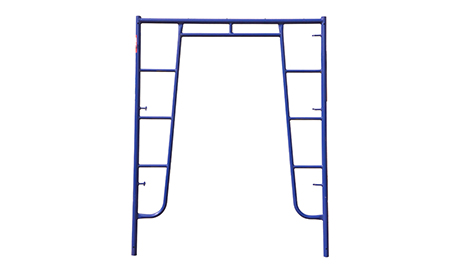
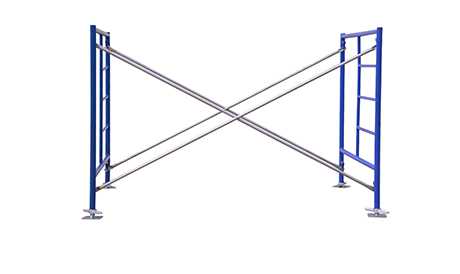
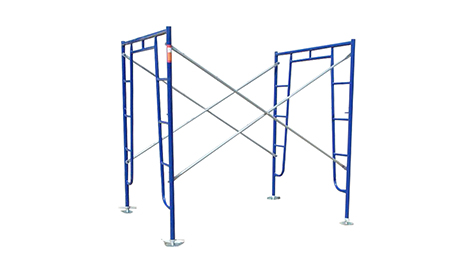
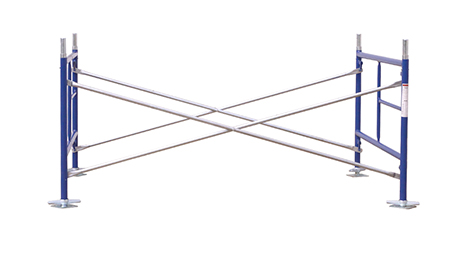
 industrial scaffolding system for maintenance work