## Understanding the Prefabricated Scaffolding System Supplier
The functioning of a prefabricated scaffolding system supplier involves intricate processes and the integration of advanced technology that collectively ensure safety, efficiency, and quality in construction. This supplier specializes in providing ready-made scaffolding components that are designed to facilitate construction and maintenance operations on various structures.
### Key Components and Working Mechanisms
At the core of a prefabricated scaffolding system are its essential components: standards (vertical posts), ledgers (horizontal beams), braces, and platform boards. The standards are typically made from high-grade steel or aluminum, providing the necessary strength and durability. Ledgers connect the standards horizontally to form a stable framework, while braces are installed diagonally to enhance structural integrity. Lastly, platform boards serve as working surfaces for laborers.
The working mechanism is simple yet effective: the components are prefabricated off-site, which minimizes on-site assembly time and labor costs. This means that the scaffolding can be erected quickly, allowing construction to proceed unhindered. The prefabrication process involves the use of Computer Numerical Control (CNC) machines that cut and shape materials with precision, ensuring product consistency and quality.
### Advanced Technology Application
Modern production processes leverage advanced technology such as Building Information Modeling (BIM), 3D printing, and automation to enhance efficiency. BIM allows suppliers to create detailed models of scaffolding systems tailored to specific construction sites, ensuring optimal design and positioning. 3D printing technology has begun to influence the production of custom scaffolding components, allowing for rapid prototyping and reduced lead times.
Automation in manufacturing processes significantly increases production capacity while maintaining quality control. By minimizing human error and speeding up production cycles, these technological advancements contribute to a more reliable supply chain.
### Practical Application Scenarios
For example, consider a large urban construction project where multiple buildings are being erected simultaneously. The prefabricated scaffolding system enables rapid deployment of scaffolding across various locations without the need for extensive field customization. This leads to a more streamlined workflow, reducing delays caused by scaffold assembly.
Furthermore, in maintenance projects for high-rise buildings, suppliers can provide custom-fit scaffolding that complies with safety regulations, allowing workers to operate safely at great heights without extensive on-site setup.
In conclusion, the operation of a prefabricated scaffolding system supplier is marked by the integration of intelligent manufacturing processes and advanced technology. This not only speeds up production but also ensures safety and high standards in a competitive market. For inquiries or to explore sourcing options, contact us as your go-to suppliers of innovative scaffolding solutions.

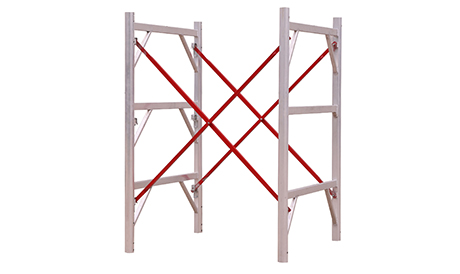
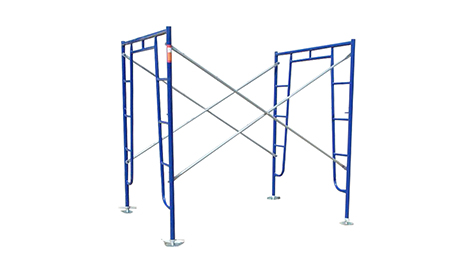
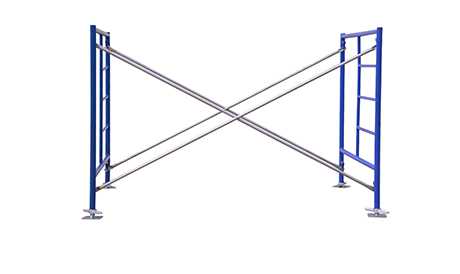
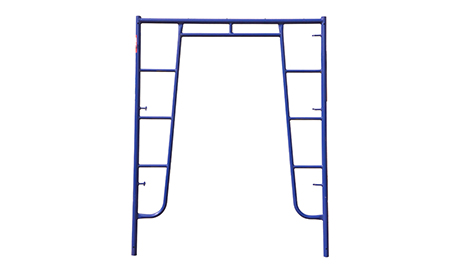
 cuplock scaffolding system for facade work