1. **Search Intent**: Users are seeking information on scaffolding joint couplers, likely to compare options for purchasing these products for construction or industrial applications.
2. **Buyer Profile**: The primary buyers are construction project managers, contractors, and procurement professionals in the building and construction industry who require reliable scaffolding components.
3. **SERP Angle**: The content aims to provide a detailed aggregation of scaffolding joint coupler options, focusing on specifications, applications, and compliance standards that affect purchase decisions.
4. **Differentiation Opportunity**: Offering in-depth product details combined with expert insights on compliance and usage can differentiate the content from competitors, enhancing user experience and trust.
---
# Scaffolding Joint Coupler: Your Guide to Reliable Construction Solutions
When selecting the right scaffolding joint coupler, understanding the various options available can significantly impact your project's safety and efficiency. This page serves as a comprehensive resource for comparing different types of joint couplers, detailing their specifications, use cases, and the advantages they offer. With features such as load capacity rated up to 3,000 kg and compatibility with multiple scaffolding systems, you’ll find the ideal coupler to meet your construction needs.
## Explore Our Extensive Scaffolding Joint Coupler Options
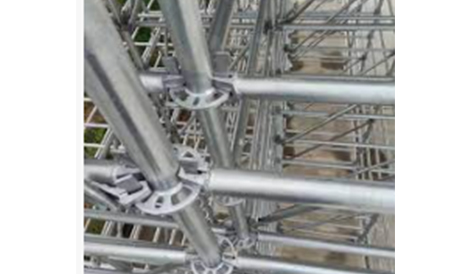
Scaffolding joint couplers come in various designs and materials, tailored for specific applications within the construction industry. The main categories include fixed couplers, swivel couplers, and double couplers, each designed to fulfill unique requirements on site. Fixed couplers provide robust connections between vertical and horizontal scaffolding members, while swivel couplers allow for angular adjustments, enhancing versatility. Understanding the right category for your project will aid in achieving optimal stability and safety.
### Fixed Couplers
Fixed couplers create a rigid connection between scaffolding rods, ensuring stability and support for heavy-duty applications. Typically made from galvanized steel, these couplers can hold loads exceeding 3,000 kg, making them an ideal choice for high-rise construction projects. Their simple design expedites the assembly process, allowing contractors to set up scaffolds quickly and effectively.
### Swivel Couplers
Designed for greater flexibility, swivel couplers allow scaffolding tubes to be connected at various angles. This feature is particularly useful when erecting scaffolds around obstacles or when a non-linear structure is required. Swivel couplers can support similar load capacities as fixed couplers, with many models exceeding 2,500 kg, providing both versatility and safety in challenging environments.
### Double Couplers
Double couplers provide dual attachment points for scaffolding tubes, significantly enhancing structural integrity. These are commonly used in scenarios requiring additional support, such as in the construction of large vertical frameworks. With a load limit of 2,800 kg, double couplers are essential for ensuring safety and compliance with industry regulations.
### Adjustable Couplers
Adjustable couplers offer the ability to modify the length of the connection, accommodating various heights and scaffolding layouts. This flexibility is particularly beneficial on uneven ground or in complex structures where precise adjustments are necessary. Many adjustable couplers are engineered to withstand loads up to 2,500 kg, making them both practical and reliable.
## Buyer Advantages and Decision Factors
When selecting scaffolding joint couplers, consider several critical factors:
1. **Suitability for Application**: Evaluate the specific needs of your construction project to determine which type of coupler will fulfill your load and structural requirements.
2. **Compliance with Safety Standards**: Ensure that the couplers meet local and international safety regulations, such as those established by the American National Standards Institute (ANSI) or the Occupational Safety and Health Administration (OSHA).
3. **Customization Options**: Many manufacturers offer customizable features, including finishes and compatibility with existing scaffolding systems, which can enhance usability on-site.
4. **Total Cost Evaluation**: Assess the overall cost, including upfront purchases and long-term maintenance. Investing in quality couplers may prove more economical by reducing injury risks and project delays.
5. **Sourcing Efficiency**: Streamline your procurement process by choosing suppliers who offer a variety of coupler types and reliable delivery schedules.
[Inquire Now]

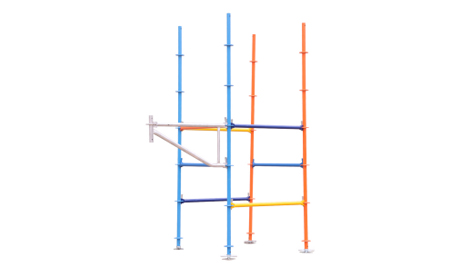
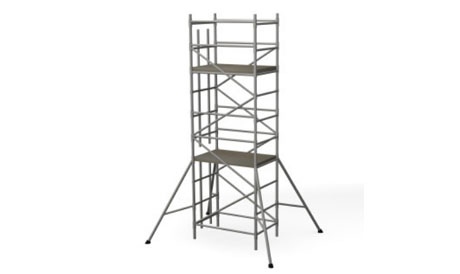
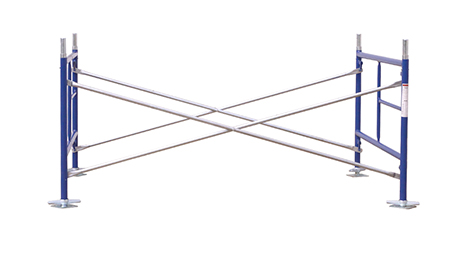
 scaffolding system for warehouse installation