### Search Intent
The search intent of "Scaffolding Tube Connector" is primarily transactional, as users are likely seeking specific products for construction or industrial use. They are interested in finding and comparing options for scaffolding tube connectors to make a purchase decision.
### Buyer Profile
The typical buyer for scaffolding tube connectors includes contractors, construction managers, and procurement officers in the construction industry. These buyers are often looking for reliable and safe solutions to support scaffolding structures.
### SERP Angle
On the search engine results page, users expect to see an aggregation of various scaffolding tube connectors, descriptions of their applications, specifications, pricing, and potentially reviews or ratings to aid in their decision-making.
### Differentiation Opportunity
To stand out, the landing page can offer detailed comparisons and insights into product quality, compliance with relevant standards, and customization options that meet specific project requirements.
---
# Scaffolding Tube Connector: Your Guide to Reliable Solutions
Scaffolding tube connectors are essential components in constructing safe and stable scaffolding structures. This page provides an extensive overview of various types of scaffolding tube connectors, their specifications, and application scenarios. Our curated comparison enables buyers to explore multiple options, ensuring they find the most suitable product for their specific construction needs. We will delve into features such as load capacity, material quality, and compliance with safety standards, helping you make an informed purchasing decision.
## Scaffolding Tube Connector Options Explained
When choosing a scaffolding tube connector, it's important to consider the variety of options available. Connectors come in different designs, such as pin, wedge, or swivel types, each suited for particular applications in scaffolding. For example, wedge connectors offer quick assembly and disassembly, making them ideal for projects requiring mobility. Similarly, adjustable connectors can accommodate uneven ground, enhancing the overall stability of scaffolding structures. Understanding these variations will empower buyers to select the connectors that best align with their project demands.
### 1. Pin Connectors
Pin connectors are widely used for their straightforward assembly. With a load capacity of up to 1,000 kg, they provide reliable support for temporary scaffolding structures. These connectors are ideal for projects that demand quick setup and disassembly, making them a favorite among contractors on tight schedules.
### 2. Wedge Connectors
Wedge connectors are designed for fast and secure assembly, offering a load-bearing capacity of approximately 1,200 kg. Their unique lock-and-wedge mechanism ensures maximum stability, especially in high-rise scaffolding applications. These connectors are particularly valuable for projects that involve heavy-duty work or extended use.
### 3. Swivel Connectors
Swivel connectors allow for versatile positioning of scaffolding poles, with a load capacity that can reach 900 kg. They are advantageous in complex scaffolding configuration, enabling flexibility in structure alignment. Ideal for multi-level workspaces, these connectors can significantly enhance access and safety during construction.
### 4. Adjustable Connectors
With adjustable connectors, users can adapt scaffolding to uneven or sloped surfaces. These connectors typically support loads of up to 1,100 kg, making them suitable for diverse terrain. By allowing adjustments in height and angle, they improve the usability and efficiency of scaffolding during construction projects.
### 5. Snap-On Connectors
Snap-on connectors provide a quick-release feature for scaffolding assemblies, making them beneficial for contractors who prioritize speed. Although they support loads up to 800 kg, their ease of use and rapid installation save valuable time on job sites. These connectors offer an excellent solution for temporary setups or frequent redesigns of scaffolding layouts.
## Buyer Advantages and Decision Factors
When selecting scaffolding tube connectors, several key decision factors come into play. First, the suitability of the connector types for specific projects is paramount—different designs serve distinct applications. Next, compliance with industry standards ensures safety and reliability; all connectors should meet or exceed regulatory requirements. Customization options may be necessary for specialized scaffolding needs, allowing buyers to adapt products to unique project specifications. Additionally, understanding the total cost, including installation and maintenance, provides a clearer view of the investment involved in sourcing these components. Lastly, usability plays a significant role; connectors that are easy to assemble and disassemble can enhance efficiency on site and minimize downtime.
[Inquire About Our Products]

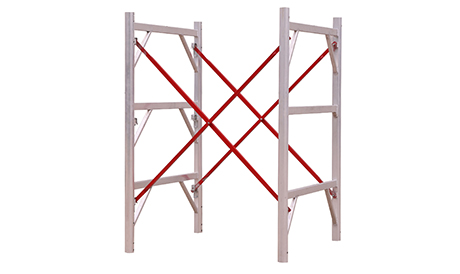
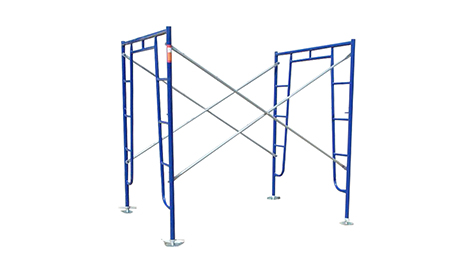
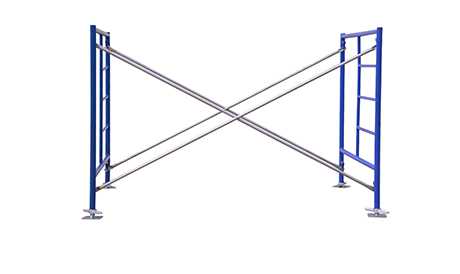
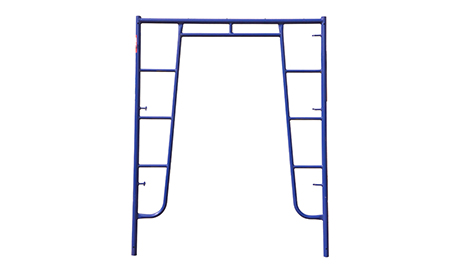
 scaffolding access system with stair tower