# Explore Our Comprehensive Table Formwork System Solutions
If you're in the construction industry, sourcing an effective Table Formwork System is crucial for ensuring efficiency and quality in your project. This page will provide a thorough comparison of various formwork systems tailored to meet your specific project needs, whether you're executing a commercial building, a residential project, or infrastructure work. By examining different types of table formwork options, you can evaluate their applications, specifications, and procurement advantages to make informed decisions that enhance workflow and reduce costs.
## Understanding Table Formwork Systems and Their Applications
Table formwork systems come in various designs, each suited for distinct applications within the construction realm. The primary types vary from standard table forms used for slab construction to more specialized options designed for complex architectural features. For contractors seeking to expedite construction timelines while ensuring structural integrity, selecting the right table formwork system is vital. Each option provides a unique interplay of ease of assembly, material robustness, and cost-effectiveness that can directly impact project success.
### Sourcing Options for Table Formwork Systems
1. **Standard Table Formwork**
- **Application:** Ideal for residential and commercial slab construction.
- **Key Specification:** Typically made from high-quality plywood and adjustable steel props.
- **Procurement Advantage:** Cost-effective and readily available for quick deployment on-site.
- **Measurable Detail:** Supports loads up to 80 kN/m².
2. **Modular Table Formwork**
- **Application:** Used for projects needing flexible designs and quick adaptations.
- **Key Specification:** Features adjustable frames that can be reconfigured easily.
- **Procurement Advantage:** Reduces labor time significantly due to pre-made components.
- **Measurable Detail:** Can be assembled and disassembled by 2-3 workers in less than a day.
3. **Heavy Duty Table Formwork**
- **Application:** Suitable for high-load applications, such as multi-story building surfaces.
- **Key Specification:** Constructed from reinforced steel and high-strength panels.
- **Procurement Advantage:** Provides longevity and repeated usability across several projects.
- **Measurable Detail:** Designed to withstand loads exceeding 120 kN/m².
4. **Aluminum Table Formwork**
- **Application:** Often used for high-rise structures where weight savings are crucial.
- **Key Specification:** Lightweight yet durable aluminum frames.
- **Procurement Advantage:** Promotes ease of transport and reduced handling costs.
- **Measurable Detail:** Weighs approximately 30% less than traditional steel alternatives.
5. **Eco-Friendly Table Formwork**
- **Application:** Appeals to sustainability-focused projects seeking optimized environmental footprints.
- **Key Specification:** Manufactured with recycled materials and engineered for multiple reuses.
- **Procurement Advantage:** Aligns with green building certifications and reducing overall waste.
- **Measurable Detail:** Can be reused for up to 15 cycles, lowering material costs significantly.
6. **Customizable Table Formwork Solutions**
- **Application:** Ideal for tailoring systems to meet specific project demands or site conditions.
- **Key Specification:** Designed based on project blueprints, permitting unique geometrical configurations.
- **Procurement Advantage:** Offers enhanced design flexibility that can aid in complex projects.
- **Measurable Detail:** Delivered within 4-6 weeks from order confirmation, ensuring timely availability for construction timelines.
## Why Buyers Compare These Table Formwork Systems
When considering a Table Formwork System, buyers must weigh multiple factors to ensure they choose the most appropriate solution for their needs. Key considerations include specification fit, where the formwork must align with project load requirements and dimensional constraints. Material choice is also significant; for example, steel forms may offer durability but can be heavier than aluminum options, affecting ease of handling. Performance under varying conditions—such as weather and site challenges—adds another layer to the decision-making process. Compliance with relevant construction standards and building codes is critical for legal and safety considerations, while factors such as order quantity, customization options, and shipping requirements can impact overall project timelines and budget.
[Inquire Today]

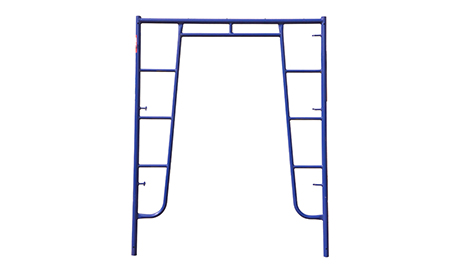
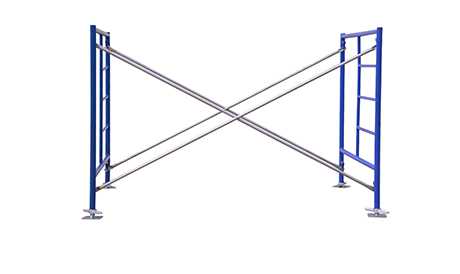
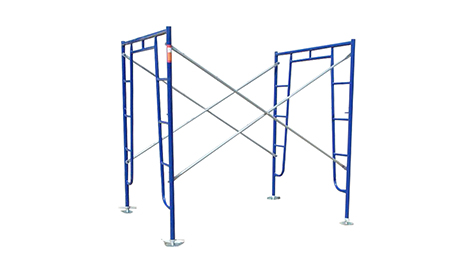
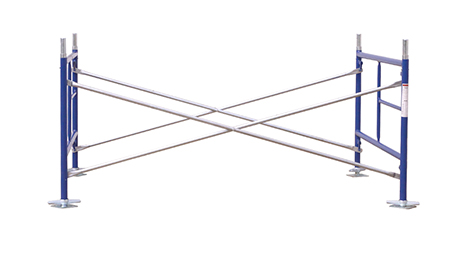
 scaffolding system for high-rise buildings