Multidirectional scaffolding is an essential framework in construction, engineering, and maintenance, facilitating safe and efficient access to structures for workers. As such, understanding its load capacity is crucial to ensure safety and compliance with industry standards. The calculation of load capacity in multidirectional scaffolding involves several factors, including material properties, design configuration, and environmental influences.
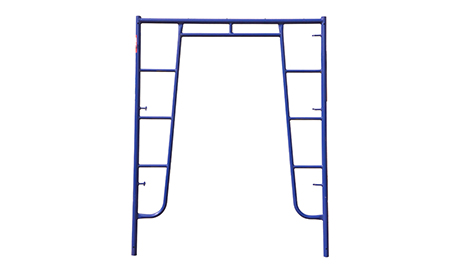
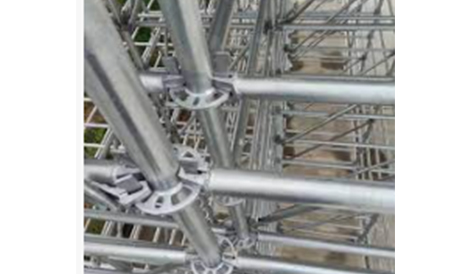
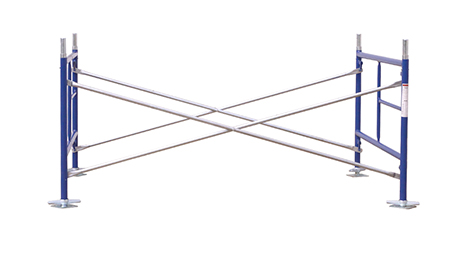
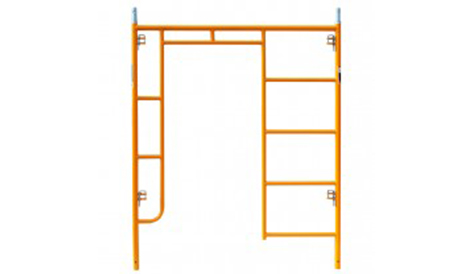
To begin with, the load capacity is primarily determined by the structural integrity of the scaffolding components, which typically includes vertical standards, horizontal ledgers, and braces. Each of these elements must be made from high-strength materials such as steel or aluminum, which can withstand specified loads without permanent deformation or failure. Additionally, scaffolding manufacturers provide material specifications that adhere to regulatory standards, thus ensuring reliability.
The configuration of the scaffolding plays a significant role in its load-bearing capacity. Multidirectional scaffolding is designed to offer flexible configurations that can be adjusted to suit various site conditions. Designers must account for factors such as height, width, and the distance between supports, which directly influence stability and strength.
Furthermore, the load capacity must consider different load types, including dead loads (the weight of the scaffolding itself and any materials stored on it) and live loads (the weight of workers and equipment). Each of these loads can vary depending on the specific application and activity performed on the scaffolding structure. Detailed calculations typically utilize standards established by organizations like OSHA (Occupational Safety and Health Administration) and ANSI (American National Standards Institute) to ensure compliance with safety regulations.
Environmental factors also impact load capacity. Wind loads, for instance, can exert additional forces on scaffolding structures, requiring additional calculations to ensure stability in adverse weather conditions. Furthermore, site-specific considerations, such as soil conditions and site layout, can influence the design and load distribution.
In summary, the calculation of multidirectional scaffolding load capacity is complex and requires expertise in structural engineering principles. Compliance with established guidelines ensures safety and enhances operational efficiency in construction projects. By thoroughly understanding and calculating the load-bearing capabilities of scaffolding, professionals can prevent accidents and failures, ultimately contributing to a safer working environment.

 scaffolding system for home renovation