**Search Intent:** Users are looking for information on adjustable wall formwork systems, including options for purchasing, specs, applications, and potential cost benefits.
**Buyer Profile:** Primarily construction professionals, project managers, and contractors seeking reliable and efficient formwork solutions for building projects.
**SERP Angle:** Focus on providing a comprehensive overview of adjustable wall formwork systems, emphasizing features, comparisons, and application scenarios to aid informed purchasing decisions.
**Differentiation Opportunity:** Highlight unique product variations, customizability, and innovative features that set specific systems apart from competitors in the market.
---
# Adjustable Wall Formwork System: Explore Versatile Formwork Solutions for Construction
An adjustable wall formwork system is essential for contemporary construction projects. This page provides a comprehensive overview of various adjustable wall formwork systems available in the market. Here, you will find detailed comparisons of features, specifications, and applications to guide your purchasing decisions. Whether you're looking for lightweight aluminum options or robust steel formwork, our selection aims to meet diverse project needs effectively. We also discuss factors to consider when choosing the right system, ensuring you invest in a product that aligns perfectly with your requirements.
## Flexible Options for Adjustable Wall Formwork Systems
When considering adjustable wall formwork systems, it’s essential to recognize the diverse options available to suit different construction needs. The systems typically fall into categories like basic formwork panels, modular systems, and system scaffolding, each designed with specific applications in mind. Basic systems are usually quicker to set up and dismantle, making them ideal for smaller jobs, while modular systems provide adaptability for larger projects. Additionally, certain systems can be customized to fit unique structural requirements, allowing for enhanced efficiency on the job site.
### 1. Traditional Aluminum Formwork Systems
Traditional aluminum adjustable wall formwork systems are popular for their lightweight design and rapid assembly. These systems provide excellent concrete coverage of up to 4 meters in height, which is ideal for residential and commercial projects alike. Their robust construction ensures a smooth finish, reducing the need for additional surface treatments.
### 2. Heavy-Duty Steel Formwork Systems
For heavy-duty applications, steel adjustable wall formwork systems offer unmatched strength and durability. Capable of supporting loads exceeding 70 kN/m², these systems are perfect for high-load structures such as bridges or high-rise buildings. The longer lifespan of steel ensures a cost-effective solution over multiple projects.
### 3. Modular Formwork Systems
Modular adjustable wall formwork systems provide the ultimate flexibility, allowing you to create custom configurations for varied wall shapes and sizes. With components that can be adjusted between 1 to 5 meters in height, these systems are useful for both simple and complex architectural designs. Their adaptability makes them a favored choice for large construction companies.
### 4. Eco-Friendly Formwork Systems
Sustainable constructions are increasingly prioritized, leading to the rise of eco-friendly adjustable wall formwork systems made from recycled materials. These systems not only meet industry standards for sustainability but also reduce construction waste by up to 30%. Choosing eco-friendly options aligns with green building initiatives while still providing reliable performance.
### 5. High-Performance Insulated Formwork
High-performance insulated formwork systems combine insulation features with adjustable capabilities. These systems provide both structural support and energy efficiency by maintaining wall temperatures, resulting in up to 80% better thermal efficiency compared to traditional methods. Ideal for energy-efficient buildings, they cater to both residential and commercial projects.
## Buyer Advantages and Decision Factors
When selecting an adjustable wall formwork system, consider several key decision factors. First, assess the suitability of the formwork for your project's specifications, including height and load requirements. Next, evaluate customization options; many systems are engineered to accommodate unique designs, offering great flexibility. Compliance with local building standards is essential to avoid delays, so ensure your choice meets these regulations. Additionally, total cost should be analyzed, factoring in long-term usability and potential savings from reduced labor costs. Lastly, prioritize ease of setup and dismantling to maximize efficiency during construction.
[Inquire About Pricing and Options]

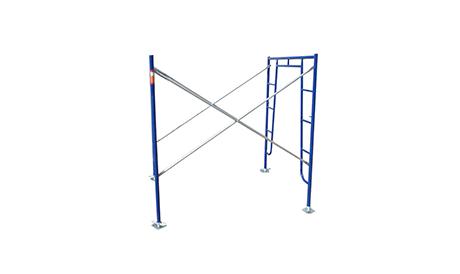
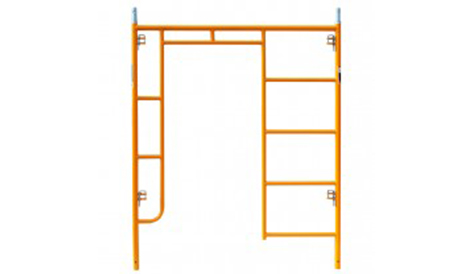
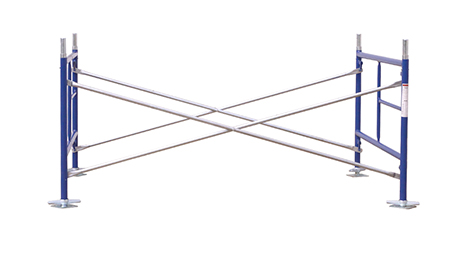
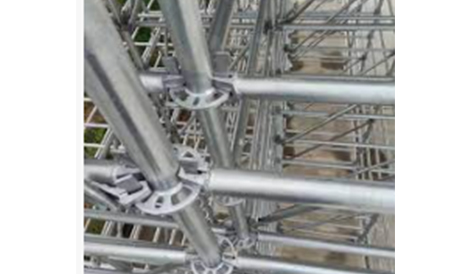
 lightweight multidirectional scaffolding system