In the construction industry, scaffolding serves as a crucial support system that enables contractors to perform work safely and efficiently at various heights. A construction scaffolding system is a temporary structure designed to provide a stable platform for workers and materials during building projects. These systems vary widely in design and materials, catering to specific project requirements and ensuring compliance with safety regulations.
The fundamental components of a scaffolding system include standards (vertical posts), ledgers (horizontal supports), and boards (walking surfaces) that come together to form a secure working platform. Various types of scaffolding, such as frame scaffolding, suspended scaffolding, and mobile scaffolding, address the unique challenges posed by different construction scenarios. For example, frame scaffolding is commonly used for new buildings due to its simplicity and versatility, whereas suspended scaffolding is ideal for work on tall structures, allowing workers to be lowered and raised as needed.
Implementing an effective scaffolding system requires a fundamental understanding of engineering principles, safety regulations, and industry best practices. Contractors must possess the expertise to assess the load capacities, stability, and durability of the scaffolding setup to avoid accidents and maintain efficiency. Moreover, rigorous training and certification for personnel involved in erecting and dismantling scaffolding are essential components of a reliable system, as improper use can lead to severe injuries or project delays.
A contractor's experience plays a significant role in selecting the appropriate scaffolding system for a particular project. Factors such as site layout, building height, and the nature of the work all impact the scaffolding choice. Experienced contractors leverage their knowledge to anticipate potential challenges, enabling them to design scaffolding solutions that enhance productivity while prioritizing worker safety.
Authoritative sources, including OSHA (Occupational Safety and Health Administration) guidelines and ANSI (American National Standards Institute) standards, provide frameworks for safe scaffolding practices. Staying updated with these regulations is imperative for contractors to ensure compliance and minimize legal liability.
In conclusion, a construction scaffolding system is an indispensable element in the execution of safe and effective construction projects. By employing their expertise, drawing on experience, and adhering to authoritative guidelines, contractors can implement scaffolding solutions that not only enhance work efficiency but also prioritize the safety and wellbeing of all personnel involved. As the industry evolves, continuous innovation in scaffolding systems will play a crucial role in shaping the future of construction safety and productivity.

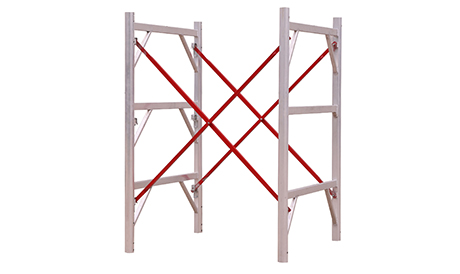
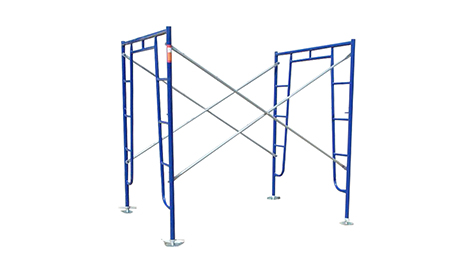
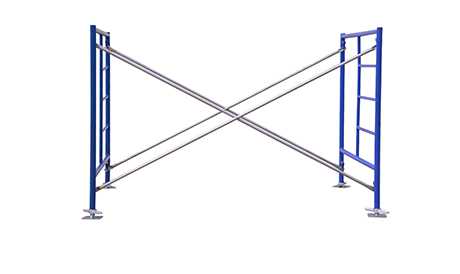
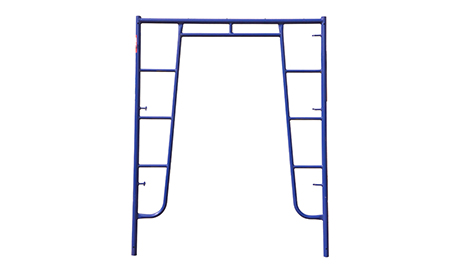
 heavy duty scaffolding system for commercial buildings