## Frame Scaffolding System vs. Ringlock Scaffolding: An Overview
Scaffolding plays a critical role in construction, providing the necessary support for workers and materials. Two popular types of scaffolding systems are frame scaffolding and ringlock scaffolding, each with unique components and functionalities.
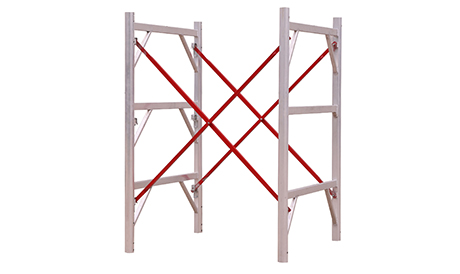
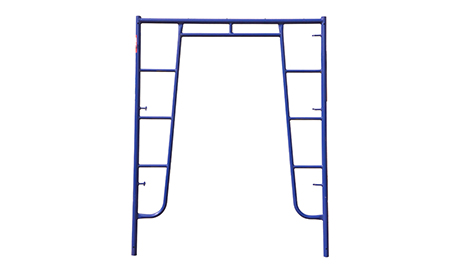
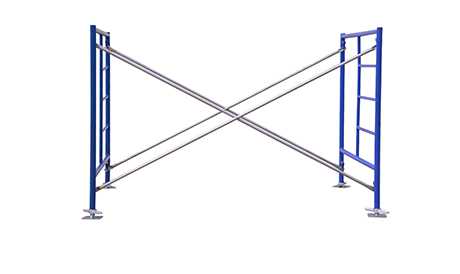
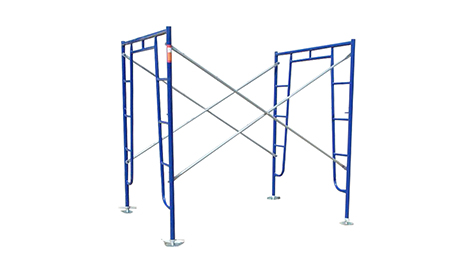
The frame scaffolding system is composed of vertical frames, horizontal cross braces, and platform boards. The vertical frames, usually made of steel or aluminum, are spaced apart to accommodate elevation and weight. Cross braces connect these frames diagonally, enhancing stability and load-bearing capacity. Work platforms made of wood or aluminum are then placed atop the frames, allowing workers to carry out tasks safely at various heights. The ease of assembly and disassembly of frame scaffolding makes it ideal for projects with fluctuating timelines, such as residential renovations or short-term commercial builds.
On the other hand, ringlock scaffolding boasts a more advanced design that incorporates a series of vertical and horizontal components connected by a unique ringlock mechanism. This system includes vertical posts, horizontal ledgers, and diagonal braces, each secured in place by a ring that fits around the vertical post. The design allows for quick assembly and configuration to different shapes and sizes, accommodating complex structures. Ringlock scaffolding is known for its exceptional stability and strength, making it suitable for larger projects such as high-rise construction, bridges, or industrial facilities.
The application of advanced technology in scaffolding manufacturing greatly enhances the efficiency of these systems. For instance, innovative manufacturing processes, such as automated welding and precision cutting, ensure that components fit together seamlessly, improving safety and requiring fewer laborers for assembly. Additionally, the use of high-grade materials reduces weight without compromising structural integrity, which is crucial for transporting scaffolding to job sites.
An example of these scaffolding systems in action can be seen in the construction of a commercial building. Frame scaffolding may be employed for lower sections while constructing the upper levels with ringlock scaffolding due to its flexibility and strength needed for elevated heights. This strategic application minimizes time and resources, ultimately leading to a more cost-effective venture.
In conclusion, understanding the differences between frame scaffolding and ringlock scaffolding systems is vital for selecting the right support structure for any project. The advancement of technology in their production not only streamlines manufacturing but significantly enhances safety and durability. For those seeking reliable suppliers or looking for further insights on these scaffolding systems, please feel free to contact us.

 quick install modular scaffolding system