The mobile frame scaffolding system represents a significant advancement in the construction and maintenance industry, providing versatile, efficient, and safety-oriented solutions for various projects. This modular scaffolding system is designed to facilitate work at varying heights and is particularly effective for tasks requiring both stable support and mobility. By understanding the components and benefits of mobile frame scaffolding, professionals can enhance productivity while ensuring compliance with safety standards.
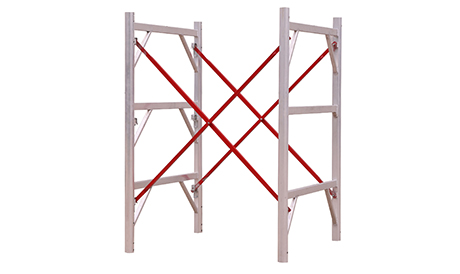
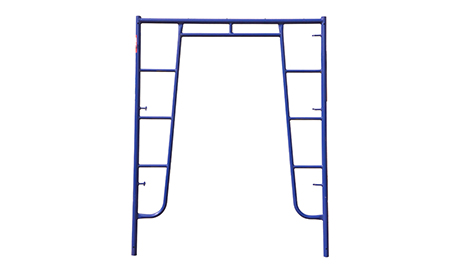
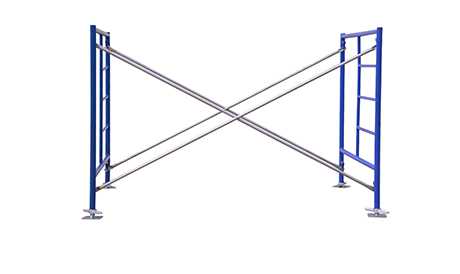
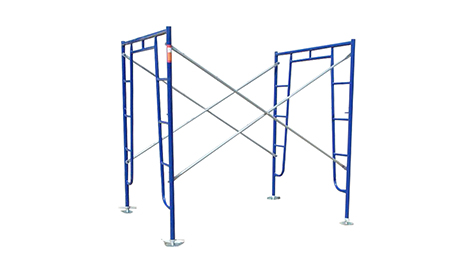
At its core, the mobile frame scaffolding system consists of a series of modular components, including frames, guardrails, wheels, and platforms. These components are designed for quick assembly and disassembly, allowing for easy transportation and setup on-site. The frames are typically constructed from high-strength steel or aluminum, ensuring durability and stability under load. The mobility aspect is achieved through the incorporation of lockable wheels, enabling the scaffolding to be moved as needed while ensuring it can be securely anchored when in use.
One of the primary advantages of mobile frame scaffolding is its flexibility in application. It can be employed in a wide range of settings—from residential buildings to large commercial projects—making it an essential tool for contractors, electricians, painters, and maintenance personnel. The ability to adjust the height and configuration of the scaffolding system allows workers to reach elevated areas safely and with ease.
Safety is a fundamental consideration in construction, and mobile frame scaffolding systems are designed with multiple safety features. These include guardrails, toe boards, and secure locking mechanisms on the wheels. Regular inspections and maintenance practices are critical, further emphasizing the importance of proper training and knowledge among users. Users must be well-versed in assembly procedures, load capacities, and safety regulations to mitigate risks and ensure a safe working environment.
Expertise in utilizing mobile frame scaffolding can significantly impact the efficiency and success of construction projects. Professionals who consistently employ these systems develop a comprehensive understanding of their features, advantages, and limitations—allowing for informed decision-making and strategic planning. As construction methods evolve, mobile frame scaffolding remains a reliable choice, resonating with the industry's growing emphasis on safety, mobility, and versatility.
In conclusion, the mobile frame scaffolding system is an indispensable part of modern construction, merging innovation with safety and efficiency. Its adaptability and ease of use make it a preferred option for the industry, underscoring the necessity for training and expertise in its application. By focusing on these elements, construction professionals can significantly enhance their operational effectiveness and overall project outcomes.

 modular scaffolding system for construction