# Scaffolding System Coupler: Your Essential Guide for Stronger Construction Frameworks
When sourcing scaffolding system couplers, buyers are primarily looking for reliable and high-quality couplers that ensure the structural integrity of their scaffold systems. This page will help you compare various options, including adjustable, fixed, and swivel couplers designed for different applications—from residential renovations to large commercial projects. You'll find detailed specifications, procurement advantages, and use cases that will facilitate a more informed purchasing decision, ensuring you select couplers that align with your project's specific needs.
## Understanding Scaffolding System Couplers: Options to Meet Your Needs
Scaffolding system couplers come in various types, each designed for specific applications and construction requirements. For instance, clamp couplers provide more flexibility and adaptability on job sites, while fixed couplers guarantee rigidity and stability. Adjustable couplers are ideal for instances where angle and height adjustments are crucial, such as on sloped surfaces or multi-tier scaffolding. By understanding these options, buyers can select the right coupler to enhance safety, efficiency, and overall performance during construction.
### Sourcing Options for Scaffolding System Couplers
#### 1. Fixed Coupler
- **Application:** Used for connecting scaffold tubes at fixed angles.
- **Key Specification:** Made from high-grade steel with a load capacity of 10,000 lbs.
- **Procurement Advantage:** Offers durability and strength for various scaffolding configurations.
- **Measurable Detail:** Weighs approximately 3 lbs per unit, ensuring easy transport and installation.
#### 2. Swivel Coupler
- **Application:** Ideal for connecting scaffolding at different angles.
- **Key Specification:** Designed for flexibility, with a locking mechanism that maintains the integrity under stress.
- **Procurement Advantage:** Provides enhanced adaptability, making it a favorite among contractors dealing with complex structures.
- **Measurable Detail:** Can accommodate connections ranging from 0 to 180 degrees.
#### 3. Adjustable Coupler
- **Application:** Perfect for adjusting the height and placement in scaffold systems.
- **Key Specification:** Allows for vertical adjustments of up to 12 inches, made from high-strength aluminum.
- **Procurement Advantage:** Enables easier setup on uneven terrains, reducing the need for extensive site preparation.
- **Measurable Detail:** Each unit weighs around 2.5 lbs, adding minimal load to the overall scaffolding system.
#### 4. Double Coupler
- **Application:** Connects two scaffold tubes together for extra stability.
- **Key Specification:** Built from heavy-duty materials to support heavy loads and withstand stress.
- **Procurement Advantage:** Essential for scaffold systems requiring added strength in construction phases such as lifters and elevators.
- **Measurable Detail:** Offers a tensile strength of 16,000 lbs.
#### 5. Toe Board Coupler
- **Application:** Used for attaching toe boards to scaffold frames.
- **Key Specification:** Made from engineered steel designed for safety compliance.
- **Procurement Advantage:** Ensures worker safety by preventing accidental falls of tools and materials from the scaffold.
- **Measurable Detail:** Each unit weighs about 1 lb, making it easy to incorporate without compromising stability.
## Why Buyers Compare These Options
When evaluating scaffolding system couplers, buyers typically consider several critical factors. Specification fit is essential; the chosen coupler must adhere to industry safety standards and meet the specific requirements of the project. Material choice also plays a significant role, with buyers often weighing the benefits of steel versus aluminum based on durability, weight, and corrosion resistance. Performance is another key consideration; understanding load capacities and the ability to adjust couplers for various configurations can directly impact job site efficiency. Compliance with local regulations ensures safety; thus, buyers must verify that their chosen couplers meet all necessary code requirements. Lastly, procurement concerns like minimum order quantities and potential customizations can affect supply chain decisions, making it crucial to assess these factors before making a purchase.
[Request a Quote]

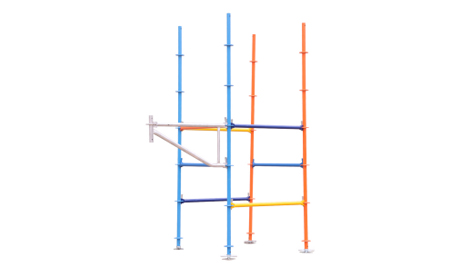
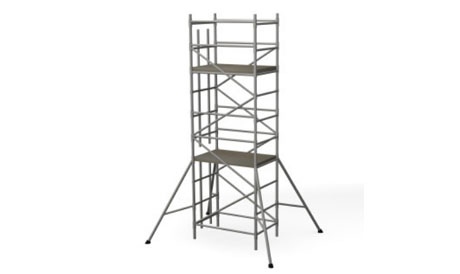
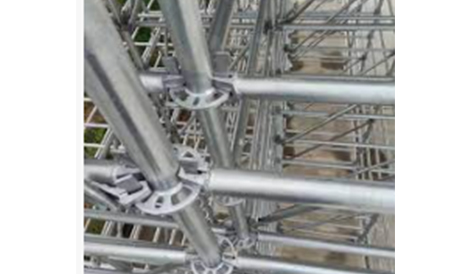
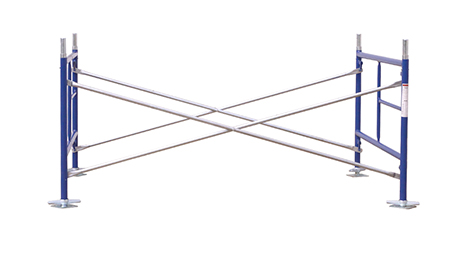
 hot dip galvanized scaffolding system