# European Scaffold System Export Grade: Your Comprehensive Sourcing Guide
When searching for a European Scaffold System Export Grade, buyers typically face the challenge of finding high-quality scaffolding solutions that meet rigorous safety and compliance standards while also ensuring cost-effectiveness. This page is designed to help you compare a variety of export-grade scaffold systems suited for both residential and commercial construction projects. You'll find detailed specifications, application guidance, and procurement advantages, thus empowering you to make well-informed decisions tailored to your specific needs.
### Understanding European Scaffold Systems: Varieties and Sourcing Trends
European Scaffold Systems designed for export come in a range of types, each catering to distinct project requirements and regulatory compliance standards. For example, modular scaffolding is highly adaptable for varied applications, providing the flexibility required for intricate architectural designs. In contrast, fixed scaffold systems offer robust support for heavy-duty construction tasks, focusing on stability and user safety. By comparing these options, buyers can align their needs—be it adaptability, durability, or compliance—with the appropriate scaffolding system.
#### Sourcing Options for European Scaffold Systems
1. **Modular Scaffolding**
- **Application**: Best suited for projects requiring flexibility in design and structure.
- **Key Specification**: Can be customized to various heights and configurations.
- **Procurement Advantage**: Easy assembly and disassembly reduce labor costs and time.
- **Measurable Detail**: Load rating of up to 4,500 lbs (2,040 kg) depending on configuration.
2. **Fixed Scaffolding**
- **Application**: Ideal for multi-story buildings and heavy construction sites.
- **Key Specification**: Offers enhanced stability with fixed connection points.
- **Procurement Advantage**: Provides superior support for heavy equipment and labor.
- **Measurable Detail**: Height options ranging from 10 to 30 feet (3 to 9 meters).
3. **Lightweight Aluminum Scaffolding**
- **Application**: Perfect for indoor renovations and light-duty exterior work.
- **Key Specification**: Lightweight design allows for easy transport and setup.
- **Procurement Advantage**: Reduces transportation costs and manual labor requirements.
- **Measurable Detail**: Can be moved with a weight capacity of 1,500 lbs (680 kg).
4. **Scaffold System Accessories**
- **Application**: Additional components such as guardrails, planks, and braces to enhance safety and functionality.
- **Key Specification**: Compatible with multiple scaffold systems.
- **Procurement Advantage**: Essential for meeting safety regulations and providing full-featured setups.
- **Measurable Detail**: Rated for a load capacity of at least 2,000 lbs (900 kg).
5. **Single-Pole Scaffolding**
- **Application**: Tailored for access in areas with limited space and for light repairs.
- **Key Specification**: Built with lightweight materials for ease of handling.
- **Procurement Advantage**: Cost-effective and easy to manage for smaller projects.
- **Measurable Detail**: Supports vertical spans of up to 20 feet (6 meters).
### Reasons to Compare European Scaffold Systems
When evaluating European scaffolding options, buyers should consider several important factors. Specification fit is critical, as different projects might require varying load capacities and configurations. Material choice also plays a pivotal role in durability and cost—aluminum systems may be lightweight but could lack the robustness of steel models. Performance comparison helps in assessing the safety standards upheld by each system; compliance with European safety regulations is non-negotiable for any export-grade option. Further, potential buyers should weigh order quantity, as bulk purchases may attract discounts, while customizations can enhance functionality but lead to longer lead times. Finally, understanding packaging and shipping costs is vital for accurate budgeting.
[Inquire Now]

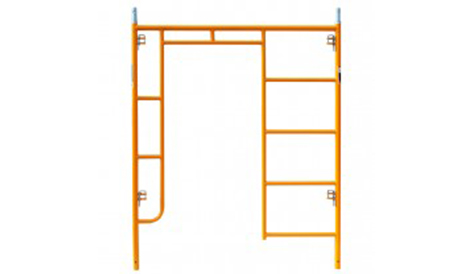
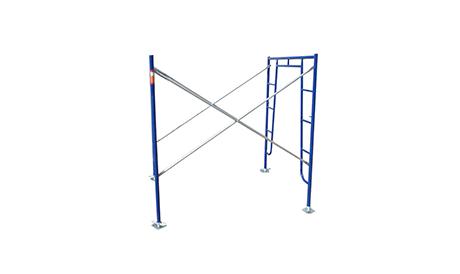
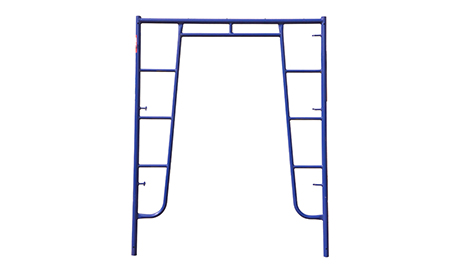
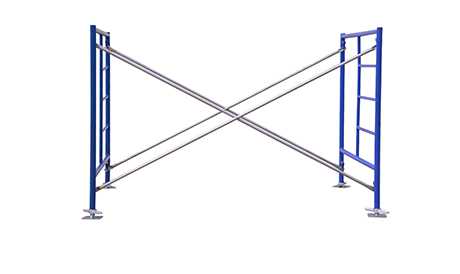
 scaffolding handrail system for worker safety