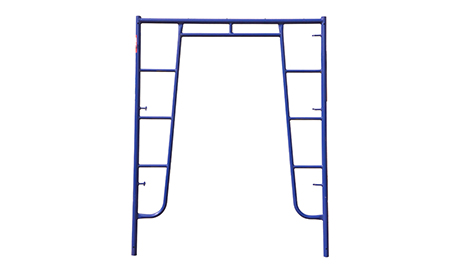
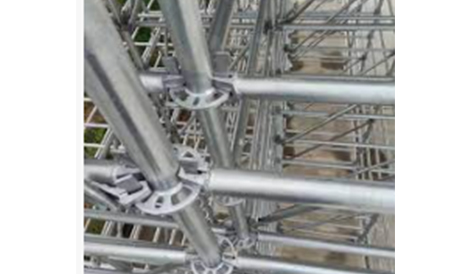
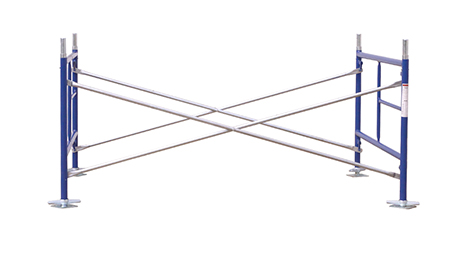
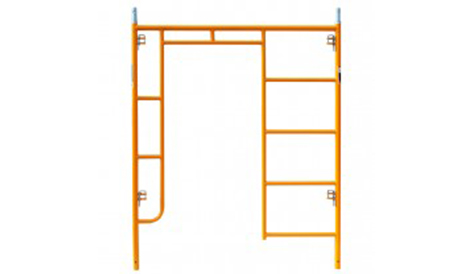
Multidirectional scaffolding is an innovative construction practice that has gained prominence in industrial projects, addressing the need for versatile, safe, and efficient work platforms. This type of scaffolding comprises interconnected frames that allow for the creation of complex structures adaptable to various project requirements, making it ideal for large-scale construction sites. Its design maximizes accessibility, enabling workers to efficiently navigate the workspace, thereby optimizing productivity while ensuring safety.
One of the key advantages of multidirectional scaffolding is its flexibility. Unlike traditional scaffolding that often relies on a linear framework, multidirectional systems accommodate various geometric configurations. This feature is particularly beneficial in industrial settings where structures may have irregular shapes or multi-level components. The ability to customize the design of the scaffolding to the specific requirements of a project minimizes the need for additional materials or alterations, saving both time and resources.
In addition to its flexibility, multidirectional scaffolding enhances safety. The interconnected frame system provides increased stability and load-bearing capacity, which reduces the risk of collapse or accidents. Safety features, such as guardrails and non-slip surfaces, can be easily integrated into the design, adhering to stringent regulatory standards. With proper implementation, these systems significantly lower the likelihood of workplace injuries, thereby protecting both workers and the project’s timeline.
The expertise required to implement multidirectional scaffolding effectively cannot be overstated. Skilled professionals, including engineers and safety inspectors, must ensure that the design meets project specifications and complies with local regulations. Experience in handling diverse industrial projects allows these experts to tackle challenges and make informed decisions about the scaffold’s configuration, installation, and maintenance.
Furthermore, the authoritativeness of multidirectional scaffolding is backed by rigorous testing and industry standards. Manufacturers of scaffolding equipment adhere to quality control processes to ensure that their products meet the highest safety standards. This compliance fosters trust among contractors and clients, who rely on these structures for safe and efficient work environments.
In summary, multidirectional scaffolding represents a significant advancement in the construction industry, offering flexibility, safety, and efficiency for industrial projects. Its adaptability to various configurations, coupled with the expert knowledge required for its implementation, establishes it as a reliable solution for modern construction challenges. As the industry continues to evolve, the expertise and authority of multidirectional scaffolding will remain integral to advancing industrial project execution.

 scaffolding system for high-rise buildings