Flexible multidirectional scaffolding for curved facades represents a significant advancement in construction and architectural design, addressing the challenges posed by increasingly complex building shapes. As architectural trends move towards more fluid and organic forms, traditional scaffolding systems often prove inadequate, failing to conform to the unique geometries necessary for effective construction and maintenance. This innovative scaffolding system provides a versatile solution, enhancing both the efficiency and safety of working on curved surfaces.
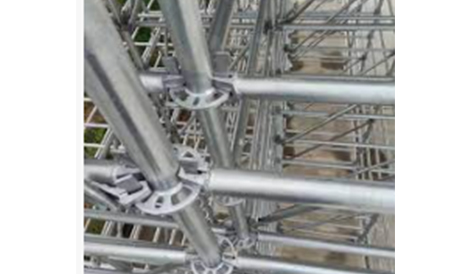
Designed with a flexible framework that can adapt to various curvature specifications, flexible multidirectional scaffolding integrates multiple connection points, allowing for dynamic adjustments. This design not only accommodates the structural intricacies of modern façades but also supports the varied loading conditions encountered during construction. The system's modular nature means that it can be easily assembled, dismantled, and reconfigured, facilitating rapid deployment and minimizing downtime on job sites. As a result, construction teams can focus on achieving optimal aesthetics and performance without being hindered by rigid scaffolding designs.
Safety is paramount in construction, and this innovative scaffolding approach significantly enhances worker safety. Its multidirectional capabilities ensure that workers have stable platforms regardless of the angles they are working on, reducing the risk of falls and accidents. Additionally, the increased accessibility afforded by this scaffolding enables workers to perform tasks more efficiently, whether they are installing cladding, conducting maintenance, or executing finishing touches on highly detailed facades.
Expertise in materials engineering and structural design underpins the effectiveness of flexible multidirectional scaffolding. Utilizing high-strength, lightweight materials not only enhances the system’s maneuverability but also ensures compliance with safety regulations and structural integrity. The flexible scaffolding system can seamlessly integrate with advanced digital design tools, allowing architects and engineers to visualize and plan scaffold layouts around the architectural complexities, ensuring a precise fit and optimal performance.
Ultimately, flexible multidirectional scaffolding for curved facades represents a holistic solution that aligns with modern architectural practices while addressing safety, efficiency, and adaptability challenges. As buildings continue to evolve in design complexity, this innovative scaffolding approach not only supports the current needs of the construction industry but also sets a precedent for future practices in façade construction and maintenance. Its integration into conventional building methods signifies a step forward in how we conceptualize and build the structures of tomorrow.

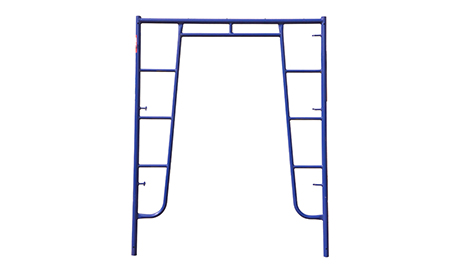
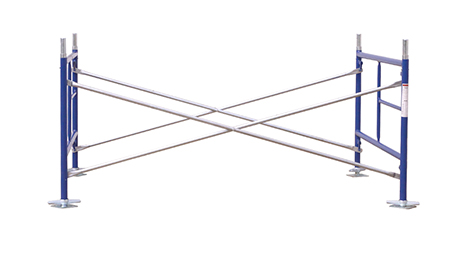
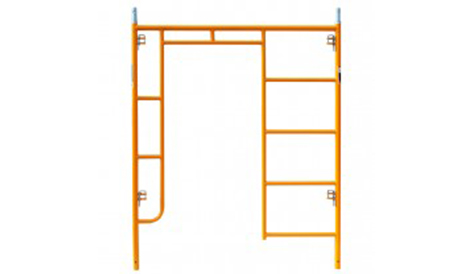
 scaffolding access system with stair tower