# Formwork System for Wall Construction: Your Comprehensive Guide
When it comes to wall construction, a reliable formwork system is essential for achieving structural integrity and effective resource management. These systems are temporary structures that mold and support concrete until it can bear its own weight. This page serves as a trusted resource for builders, contractors, and project managers looking to explore and compare various formwork options. With detailed specifications and real-world applications, we help you make informed decisions that can optimize both efficiency and cost-effectiveness in your projects.
## Explore Formwork Systems Tailored to Wall Construction
This page is designed to assist you in finding the ideal formwork system that suits your specific construction needs. By comparing different product options side-by-side, you can evaluate key features such as ease of assembly, material durability, and compliance with safety standards. Our comprehensive aggregation of products includes systems that cater to diverse wall construction scenarios, from residential buildings to high-rise structures. Whether you're looking for lightweight solutions or more robust frameworks, this guide simplifies your comparison process, enabling you to select a system that maximizes both performance and value.
### Option Blocks
#### Option 1: Modular Aluminum Formwork
- **Use Case**: Ideal for high-rise residential projects.
- **Key Specifications**: Weight: 9.2 kg per square meter; Load capacity: Up to 60 kN/m².
- **Buyer Benefit**: Allows for expedited installation and minimal labor cost due to its lightweight nature.
#### Option 2: Traditional Wooden Formwork
- **Use Case**: Best for custom shape applications in smaller residential projects.
- **Key Specifications**: Thickness: 19 mm; Material: Plywood.
- **Buyer Benefit**: Cost-effective and easily customizable to fit varying designs and structures.
#### Option 3: Steel Formwork System
- **Use Case**: Suitable for heavy-duty industrial projects requiring greater durability.
- **Key Specifications**: Thickness: 3 mm; Load capacity: 80 kN/m².
- **Buyer Benefit**: Highly resilient, offering longer lifespan and reducing long-term replacement costs.
#### Option 4: Plastic Formwork
- **Use Case**: Ideal for small to mid-sized construction with tight budgets.
- **Key Specifications**: Weight: 5.5 kg per panel; Reusable for approximately 300 pours.
- **Buyer Benefit**: Lightweight and easy to set up; reduces material costs and environmental impact.
#### Option 5: Permanent Insulating Formwork
- **Use Case**: Best for eco-friendly, energy-efficient home construction.
- **Key Specifications**: Insulation Value: R-20; Material: Expanded Polystyrene.
- **Buyer Benefit**: Provides superior thermal insulation which can lead to energy savings of 30% over time.
### What Buyers Should Consider First
1. **Material Composition**: Different materials have distinct weight capacities and insulation properties, which can affect your project timeline and budget.
2. **Compliance and Safety Standards**: Ensure that the formwork system meets local construction codes and safety regulations to avoid any costly legal issues during the build process.
3. **Application Fit**: Evaluate the specific type of project you’re undertaking—residential or commercial—as this will heavily influence the choice of formwork.
4. **Customization Options**: Some projects may require tailored configurations; selecting a system that offers customization can help you better meet specific design requirements.
5. **Cost Efficiency**: Consider not just the initial investment but also the long-term savings associated with labor, reusability, and any potential energy efficiency gains.
[Inquire About Your Needs]

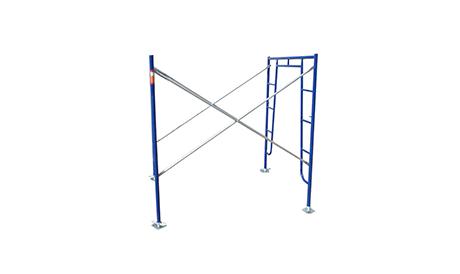
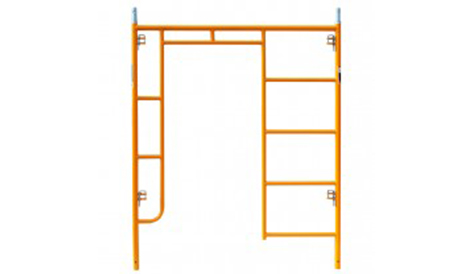
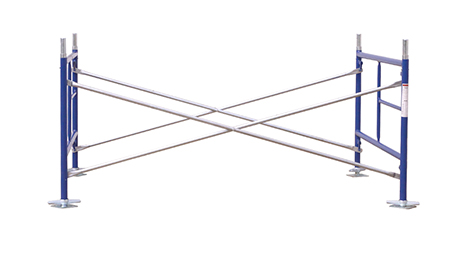
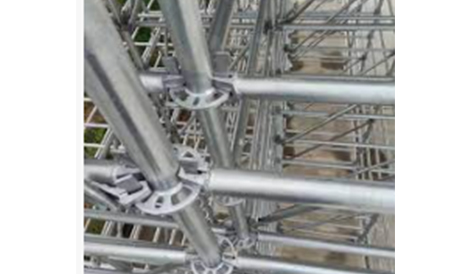
 mobile scaffolding system with wheels