Multidirectional scaffolding for offshore platforms represents a significant advancement in construction and maintenance practices in the marine engineering sector. This innovative scaffolding system is specifically designed to provide a robust and flexible support structure for workers engaged in the assembly, inspection, and repair of offshore platforms, such as oil rigs and wind farms. Unlike traditional scaffolding, multidirectional scaffolding allows for enhanced adaptability, accommodating various platform geometries and ensuring safety and efficiency in challenging marine environments.
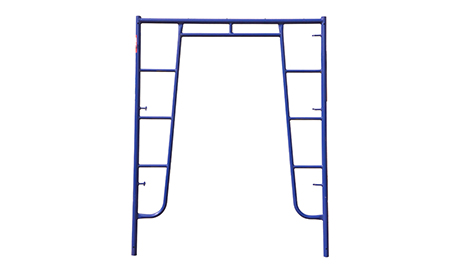
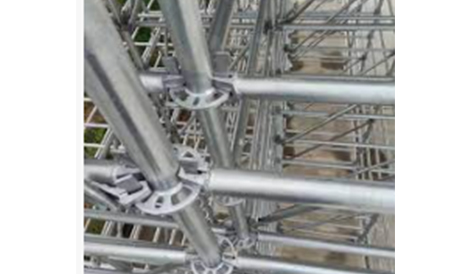
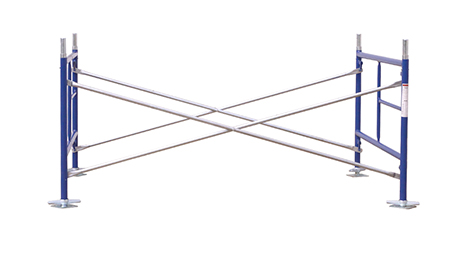
One of the primary advantages of multidirectional scaffolding is its versatility. The system employs a modular design, consisting of components like standards, ledgers, and transoms that can be adjusted to create multiple configurations. This flexibility is crucial for offshore structures, which often have complex shapes and require tailored scaffolding solutions. Workers can seamlessly navigate different levels of the scaffolding, which is essential for maintenance tasks that involve extensive outreach, such as inspections of piping systems or structural components.
Safety is paramount in offshore operations, and multidirectional scaffolding provides enhanced stability and support. It is engineered to withstand harsh environmental conditions, including strong winds, heavy rains, and salt corrosion. The scaffolding is typically constructed from high-strength materials, allowing it to carry significant loads while maintaining structural integrity. Additionally, its design enables a high degree of safety features, including guardrails and non-slip surfaces, which reduce the risk of accidents and injuries on site.
In terms of expertise and authority, the development of multidirectional scaffolding systems is grounded in rigorous engineering principles and extensive industry experience. Professionals in construction and marine engineering have conducted thorough research to optimize the design and functionality of these scaffolding solutions. Leading manufacturers and engineering firms often collaborate with regulatory bodies to ensure compliance with safety standards and best practices, further solidifying their authority in the field.
Moreover, the adoption of multidirectional scaffolding can lead to increased operational efficiency and reduced costs. By minimizing the time required for the setup and dismantling of scaffolding structures, companies can streamline their processes, ultimately enhancing productivity on offshore projects. As the demand for renewable energy sources grows, the application of such innovative scaffolding solutions will be pivotal in supporting the sustainable development of offshore platforms.
In conclusion, multidirectional scaffolding for offshore platforms epitomizes a blend of innovation, safety, and efficiency, making it an indispensable tool in modern marine engineering. Its adaptable design, emphasis on safety, and commitment to best practices position it as a leading solution for the challenges faced in constructing and maintaining offshore structures.

 multidirectional scaffolding for facade work