## Understanding Multidirectional Scaffolding Engineering Design Support
Multidirectional scaffolding engineering design support is a critical element in the construction and manufacturing industries, facilitating safe and efficient project execution. This scaffolding system employs a versatile framework, allowing it to be configured in various directions, offering exceptional adaptability for different site requirements.
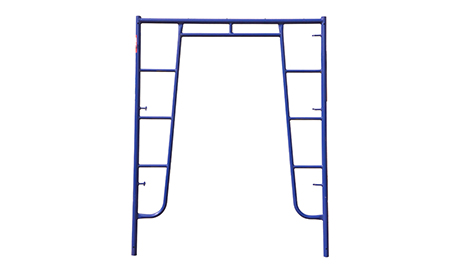
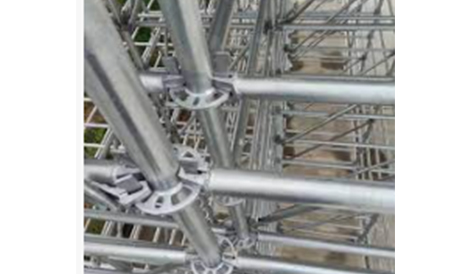
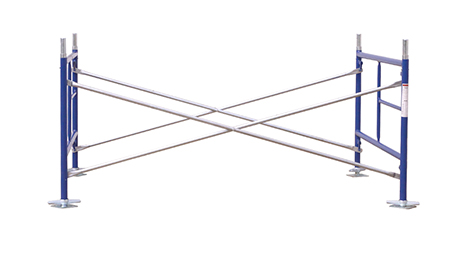
The core components of multidirectional scaffolding include vertical standards, horizontal ledgers, and diagonal braces. Vertical standards are the vertical posts that provide the primary support structure. These are connected by horizontal ledgers, which create levels for workers to operate on. Diagonal braces ensure stability and rigidity, preventing lateral swaying. The unique design of multidirectional scaffolding enables it to be assembled in complex shapes, accommodating intricate architectural designs.
Advanced technology plays a pivotal role in enhancing the capabilities of multidirectional scaffolding systems. Computer-aided design (CAD) software is widely used to simulate and visualize scaffolding plans before they are built. This technology allows engineers to optimize material usage, ensuring that resources are employed efficiently, thus reducing both costs and waste. Moreover, the use of Building Information Modeling (BIM) enables real-time collaboration among stakeholders, facilitating better communication and project management.
For example, in the construction of high-rise buildings, multidirectional scaffolding provides access at various levels, enabling multiple trades to work concurrently. This not only accelerates the construction timeline but also enhances safety. The flexibility of this scaffolding system allows it to be tailored to specific site conditions, such as uneven terrain or tight spaces, ensuring that workers can operate securely without compromising productivity.
Additionally, advanced materials such as aluminum and high-strength steel are often utilized in the manufacture of scaffolding components. These materials contribute significantly to the weight-to-strength ratio, making the structures lightweight yet durable. Innovations like modular designs also enhance assembly speed, allowing for rapid deployment of scaffolding systems in a wide range of applications.
In conclusion, multidirectional scaffolding engineering design support is essential in modern manufacturing and construction processes. With the integration of advanced technologies, it significantly streamlines production processes while ensuring safety and stability. For those seeking reliable scaffolding solutions, understanding these systems' components and functions is crucial. If you would like to inquire about becoming one of our esteemed suppliers or need expert advice, please feel free to contact us.

 cuplock scaffolding system for high-rise construction