Multidirectional scaffolding has emerged as a pivotal advancement in construction practices, particularly for high-rise buildings. This innovative system is designed to enhance safety, efficiency, and flexibility on construction sites, thereby meeting the unique challenges posed by vertical structures that often exceed multiple stories. Unlike traditional scaffolding, which typically relies on a single directional framework, multidirectional scaffolding employs a modular approach that offers comprehensive support and accessibility throughout the construction and maintenance phases.
One of the primary advantages of multidirectional scaffolding is its adaptability. The system consists of interconnected elements that can be customized to fit various building shapes and sizes. This flexibility allows for the scaffolding to be erected quickly around complex architectural designs, accommodating irregularities inherent in high-rise constructions. The modular nature of this scaffolding not only reduces the construction timeline but also minimizes labor costs, proving to be an economically sound solution for contractors and project managers.
Safety is paramount in high-rise construction, and multidirectional scaffolding significantly enhances it. The design incorporates features such as robust platforms, guardrails, and safety nets that contribute to a safer working environment for construction workers. Additionally, the system’s stability enables it to withstand adverse weather conditions, ensuring that work can proceed with minimal interruption. This resilience is crucial in high-rise projects where altitude and exposure to the elements can exacerbate risks associated with falling objects and worker safety.
Furthermore, multidirectional scaffolding supports efficient workflow on high-rise sites. It facilitates the simultaneous execution of various tasks—such as masonry, façade installation, and electrical work—by providing multiple access points. Workers can move freely across different levels without needing to dismantle and reposition the scaffolding for each new task, which streamlines operations and enhances productivity.
In conclusion, multidirectional scaffolding represents a significant evolution in the construction of high-rise buildings, combining safety, versatility, and efficiency. Its implementation not only meets the practical requirements of modern construction but also addresses contemporary concerns regarding workplace safety and operational effectiveness. As the construction industry continues to push the boundaries of architectural design and vertical expansion, multidirectional scaffolding will play a crucial role in facilitating this progress while ensuring that high standards of quality and safety are maintained. Hence, it stands as an authoritative solution for contractors committed to delivering successful high-rise projects in an increasingly competitive market.

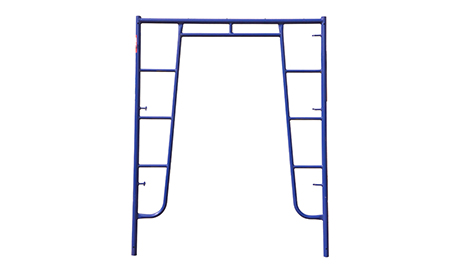
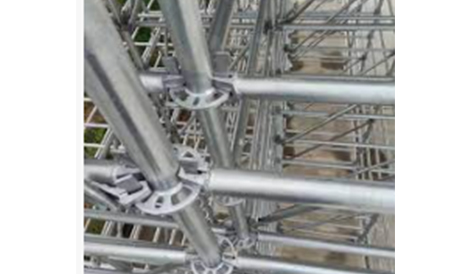
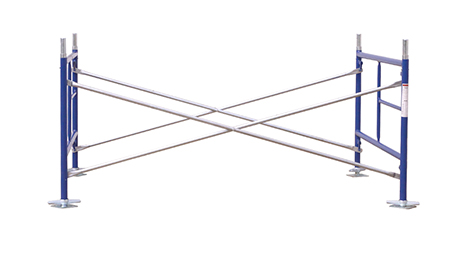
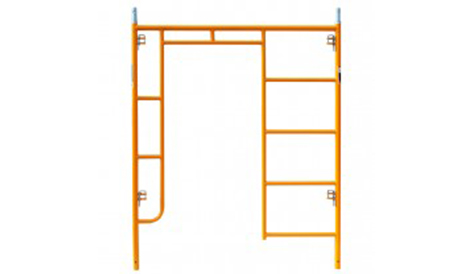
 hot dip galvanized scaffolding system