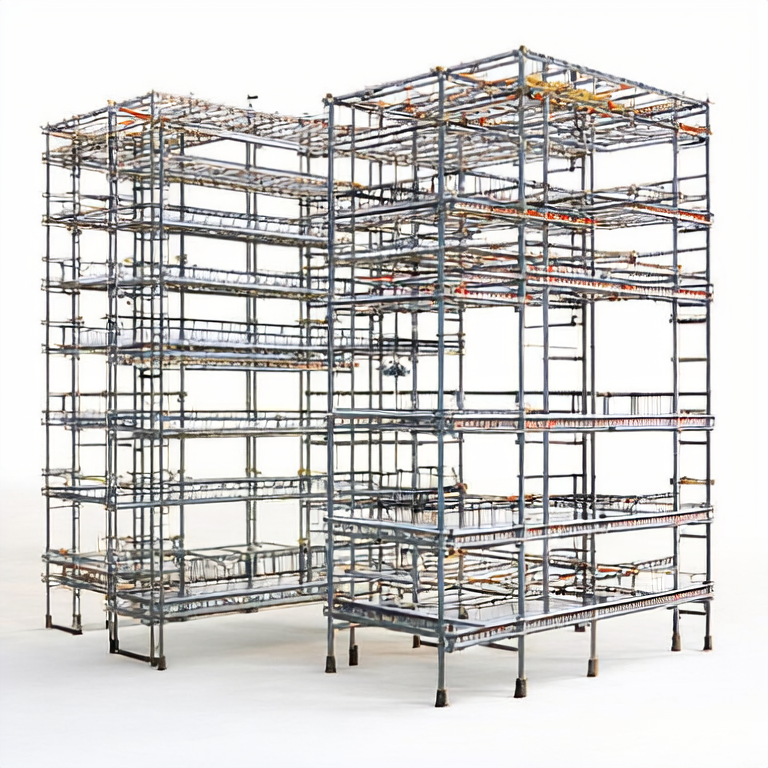
In the construction industry, Scaffolding Systems play a pivotal role in ensuring safety and efficiency. With the increasing complexity of modern architecture and the growing demand for construction projects, the significance of robust Scaffolding Systems cannot be overlooked. According to a report by Statista, the global scaffolding market is projected to reach $15.8 billion by 2025, indicating a compound annual growth rate (CAGR) of 5.6% from 2020 to 2025. Issues such as worker safety, effective project timelines, and operational costs highlight the urgent need for innovative scaffolding solutions. Here, we will delve into the various types of scaffolding systems, their applications, and how they can streamline construction processes.
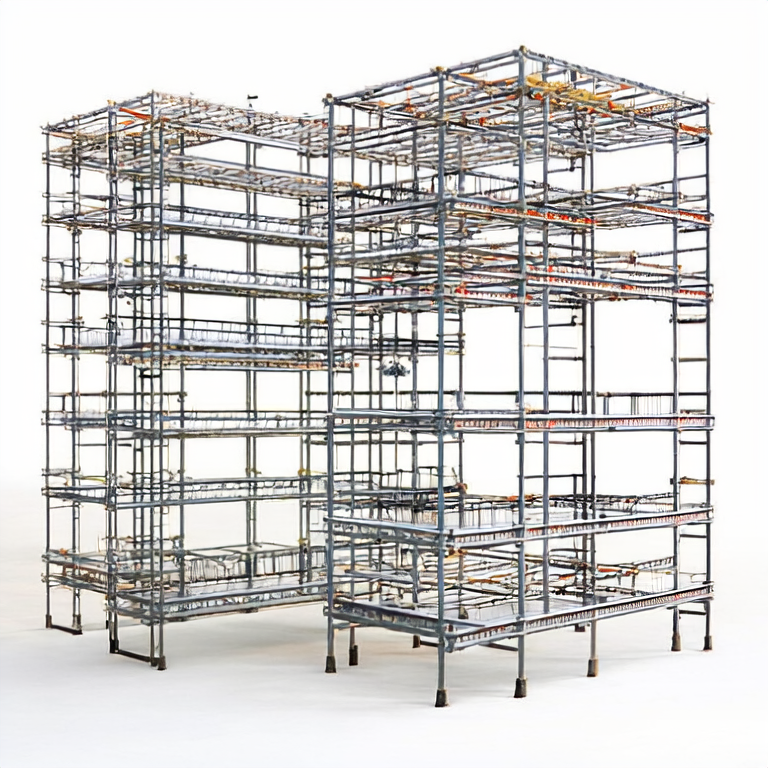
Scaffolding systems are temporary structures used to support a work crew and materials during the construction or repair of buildings and other large structures. They provide a platform and access to various heights while ensuring worker safety. Common industry terms related to scaffolding systems include "frame scaffolds," "suspension scaffolds," and "system scaffolds," each serving varied purposes depending on project requirements.
Scaffolding systems are used extensively across various sectors, including:
In the context of construction, scaffolding can reduce project time by 30% by allowing multiple trades to work simultaneously at elevation, thereby increasing productivity.
The importance of scaffolding systems is multifaceted:
These measurable benefits highlight why scaffolding systems are essential components of modern construction practices.
For those looking to further understand scaffolding systems, we recommend reviewing user guides and manuals specific to various scaffolding types. Familiarity with brand-specific systems, such as DYNAST, can provide insights into their innovative features and user safety protocols.
1. What types of scaffolding systems are recommended for residential projects?
Frame scaffolds are generally recommended due to their versatility and easy assembly.
2. How long does it typically take to set up scaffolding?
Setup time can vary, but on average, it takes a team approximately 2-6 hours to set up a basic frame scaffold depending on the size of the project.
3. Are there any safety standards for scaffolding?
Yes, jurisdictions often follow Occupational Safety and Health Administration (OSHA) guidelines that outline safety measures for scaffolding use.
4. How can I ensure that the scaffolding system I choose meets my project needs?
Conduct a comprehensive assessment of your project requirements, including height, load capacity, and the type of work being performed, to select the appropriate scaffolding system.
In conclusion, scaffolding systems enhance both the safety and efficiency of construction projects. To maximize the benefits of these systems, engaging with user guides and exploring specific brands such as DYNAST can provide a deeper understanding of best practices and innovations in scaffolding solutions.