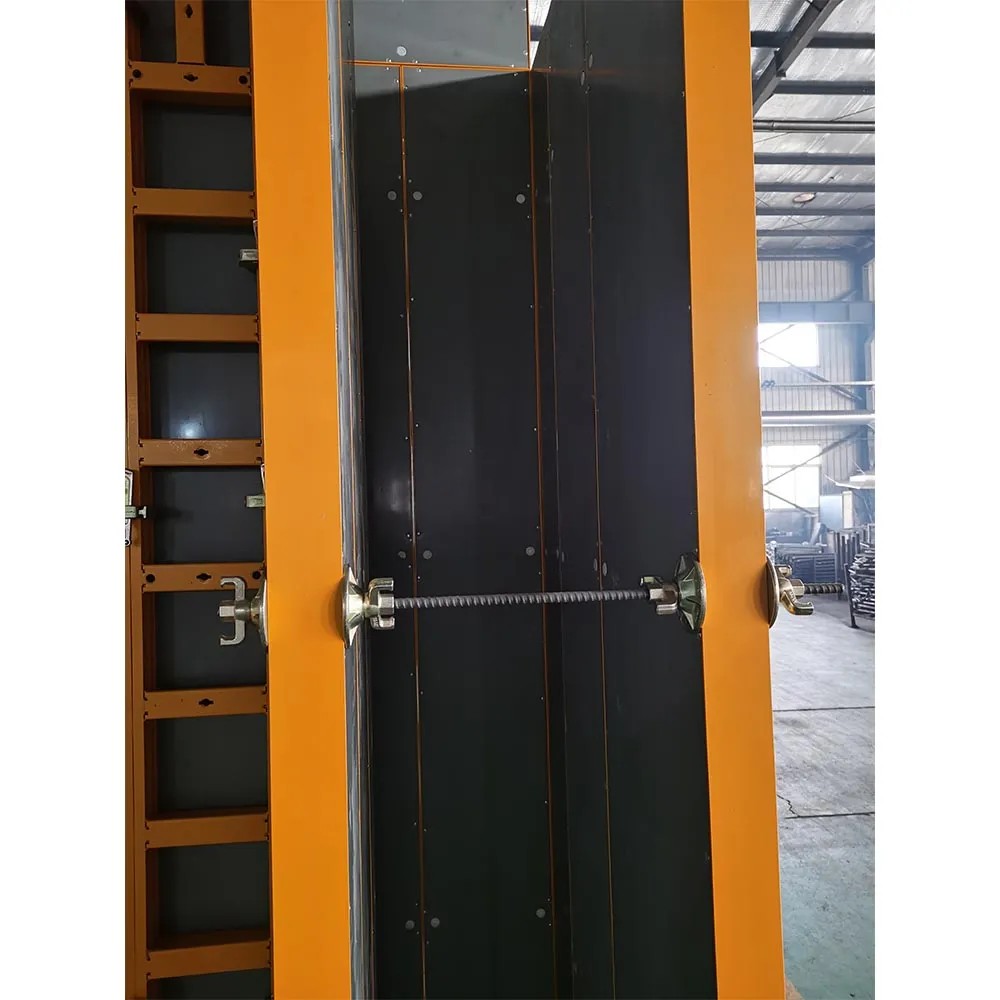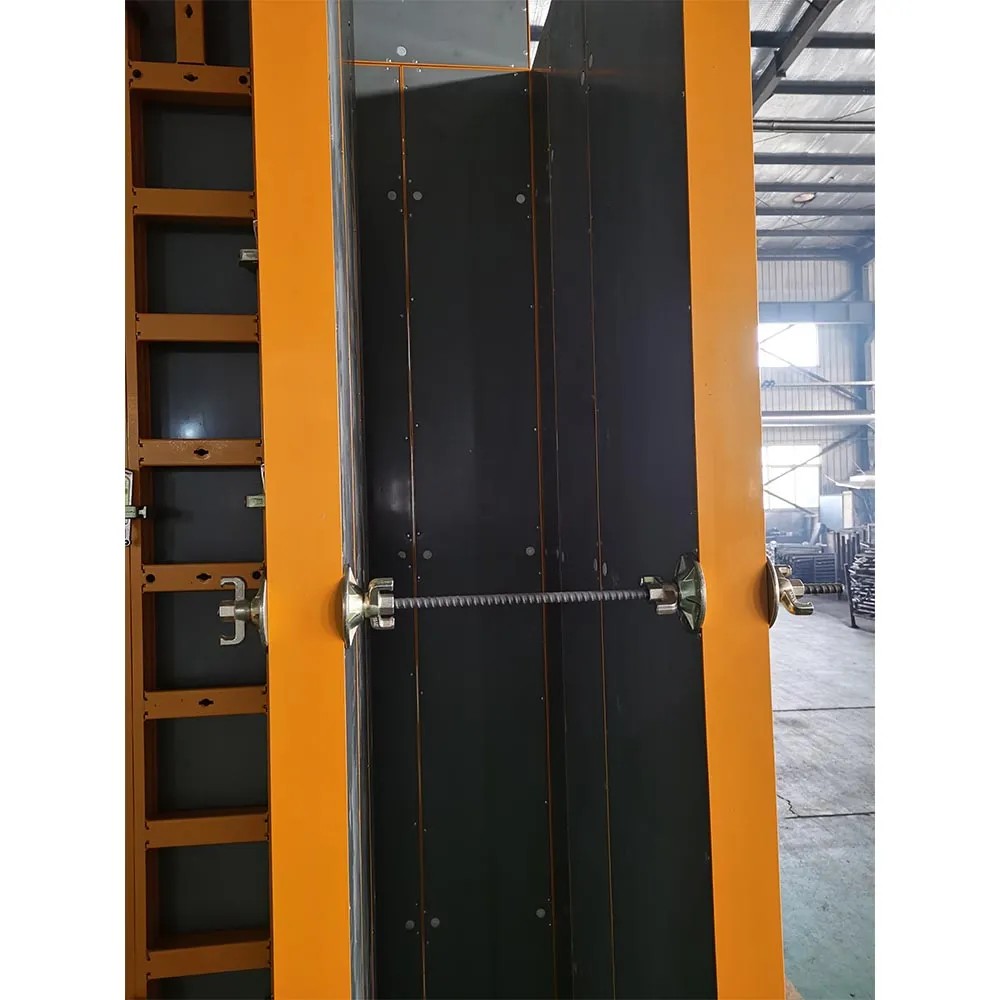
A Formwork Tie Rod System is a structural fastening solution used to hold concrete formwork panels in place during pouring and curing. In simple terms, it keeps the shuttering stable, controls wall thickness, and helps deliver accurate concrete dimensions on site. For construction businesses, this means fewer rework issues, better surface finish, faster cycle times, and stronger cost control. When specified correctly, the Benefits of Using a Formwork Tie Rod System can directly improve project efficiency, reduce material waste, and support safer casting operations.
In modern concrete construction, formwork accuracy is no longer optional. With tighter project schedules, higher structural expectations, and increasing labor costs, contractors need a reliable way to control form pressure and maintain alignment. That is where the Formwork Tie Rod System becomes essential.
Over the years, the industry has moved from basic timber bracing to engineered modular formwork accessories. The shift was driven by the need for repeatable performance, high load resistance, and better dimensional control. Today, DYNAST supports this demand with precision-formed components designed for consistent field use.
The Benefits of Using a Formwork Tie Rod System are especially visible in high-rise cores, retaining walls, bridge piers, basements, and shear walls, where formwork movement can create serious quality and safety risks.
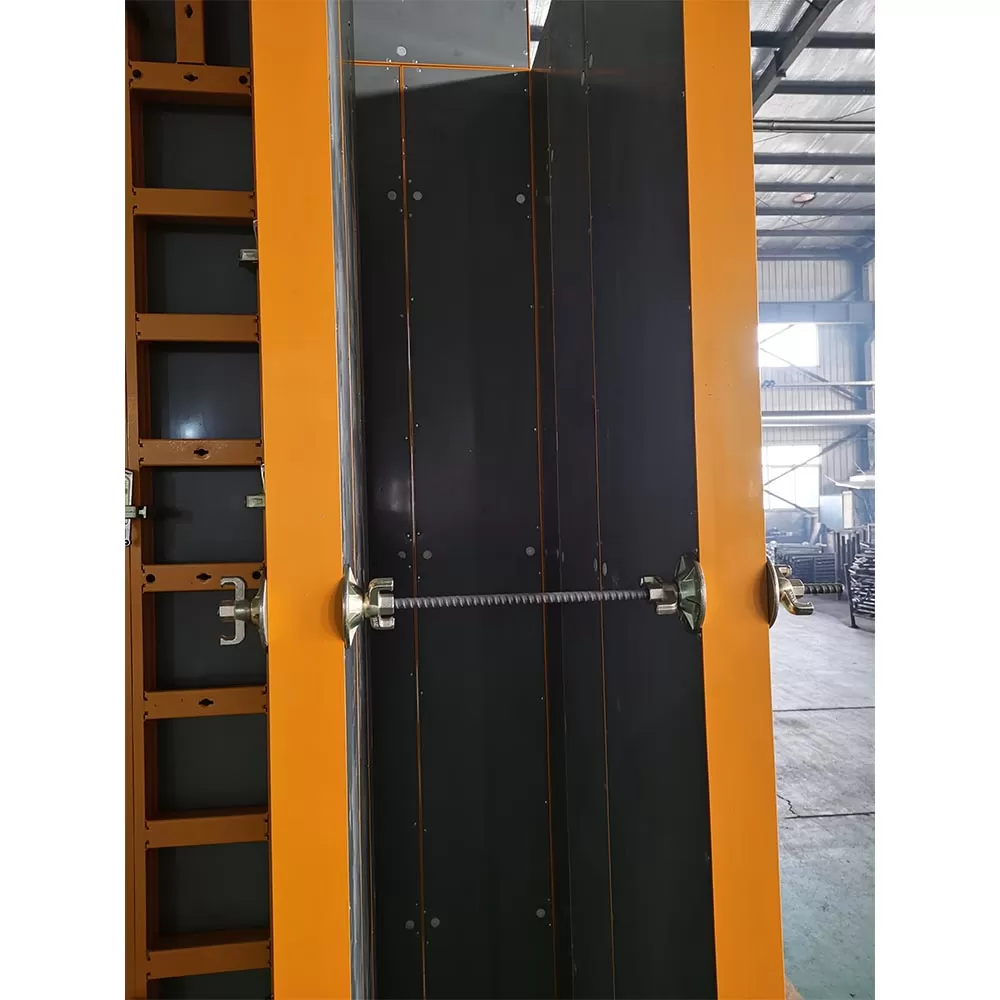
A typical Formwork Tie Rod System includes:
These parts work together to resist the lateral pressure of fresh concrete. The tie rod transfers tensile force across the formwork, while the accessories maintain spacing and improve sealing. In practical terms, this prevents bulging, leakage, and dimensional deviation.
For critical structural work, manufacturers may verify tolerances to 0.01mm precision on key forming interfaces, and full batch quality programs may include 100% inspection for thread integrity, surface finish, and load-bearing consistency.
One of the most important Benefits of Using a Formwork Tie Rod System is dimensional control. When tie rods are correctly spaced and tightened, the form faces stay parallel, which helps achieve the designed wall thickness and vertical alignment.
This matters because even small errors can lead to:
A well-designed Formwork Tie Rod System improves site efficiency. Crews spend less time correcting form movement and more time on repeatable installation. That leads to quicker formwork cycles, especially on repetitive structural pours.
In many projects, the Benefits of Using a Formwork Tie Rod System include:
Safety is another major reason contractors choose a Formwork Tie Rod System. Stable formwork reduces the risk of blowouts, collapse, or sudden movement during casting. Properly engineered tie rod assemblies help control hydrostatic pressure and maintain a secure working environment for crews.
Although some teams initially view the system as an added expense, it often reduces total installed cost. Fewer defects, less material loss, and fewer delays translate into better margin performance. For businesses managing multiple pours, the Benefits of Using a Formwork Tie Rod System can be measured not only in quality, but also in cash flow.
For procurement teams and project engineers, quality assurance should not rely on appearance alone. Reliable suppliers align production and testing with recognized standards such as:
A high-quality Formwork Tie Rod System should also be checked for tensile capacity, thread compatibility, corrosion resistance, and repeatability across production batches. That is why experienced buyers ask for mill certificates, test reports, and traceable inspection records before approval.
This is one of the most common mistakes. A generic rod may fit physically, but it may not provide the required tensile strength, threading accuracy, or compatibility with the rest of the shuttering hardware. In practice, this can lead to slippage, leakage, or failure under load.
Over-tightening can damage threads, deform accessories, or create uneven pressure across the form face. The correct torque and assembly sequence matter more than brute force. A properly specified Formwork Tie Rod System should be installed according to engineering guidance, not guesswork.
They are not. Thread profile, steel grade, weld quality, surface treatment, and accessory fit all affect performance. The Benefits of Using a Formwork Tie Rod System only appear when the complete assembly is engineered as a system, not treated as loose hardware.
On a commercial basement project, the contractor used a standardized Formwork Tie Rod System for repeated wall pours. Before switching, the team experienced frequent form spread and patch repair. After adopting the new system, wall thickness deviation was reduced, and post-pour rectification time dropped significantly.
In a high-rise core application, the team used DYNAST tie rod assemblies to support modular panels under repetitive load. Because the components were uniform and easy to install, the crew achieved a smoother cycle and fewer alignment corrections. The project engineer reported more stable form faces and improved concrete finish quality.
For a retaining wall project, the use of water-stop-compatible tie rod accessories improved joint sealing and reduced leakage paths. This is one of the practical Benefits of Using a Formwork Tie Rod System that often gets overlooked: better water control can protect long-term durability.
| Item | Traditional Bracing | Formwork Tie Rod System |
|---|---|---|
| Alignment control | Variable | Consistent |
| Load resistance | Limited | Engineered tensile performance |
| Installation speed | Slower | Faster and repeatable |
| Finish quality | More patching needed | Cleaner surface finish |
| Safety | Higher movement risk | Better stability |
| Cost efficiency | More rework | Lower total project cost |
DYNAST supports construction buyers who need dependable accessories, stable supply, and inspection-backed quality. For contractors, this means fewer procurement surprises and more predictable site performance. A strong Formwork Tie Rod System supply chain is not just about product delivery; it is about engineering consistency, documentation, and responsive support.
When buyers evaluate the Benefits of Using a Formwork Tie Rod System, they are usually looking for three things:
DYNAST aligns with those priorities through quality control, export-ready packaging, and responsive service, including 24-hour response support for project inquiries.
The Benefits of Using a Formwork Tie Rod System are clear: better formwork stability, higher casting accuracy, improved safety, faster cycle times, and lower overall project cost. When combined with proper engineering, tested materials, and standards-based quality control, the system becomes a valuable asset for any concrete construction business.
If your project requires repeatable performance, cleaner finishes, and stronger control over form pressure, a well-designed Formwork Tie Rod System is worth serious consideration. For procurement teams and site managers, choosing a trusted supplier like DYNAST can make the difference between routine concrete work and consistently high-quality results.