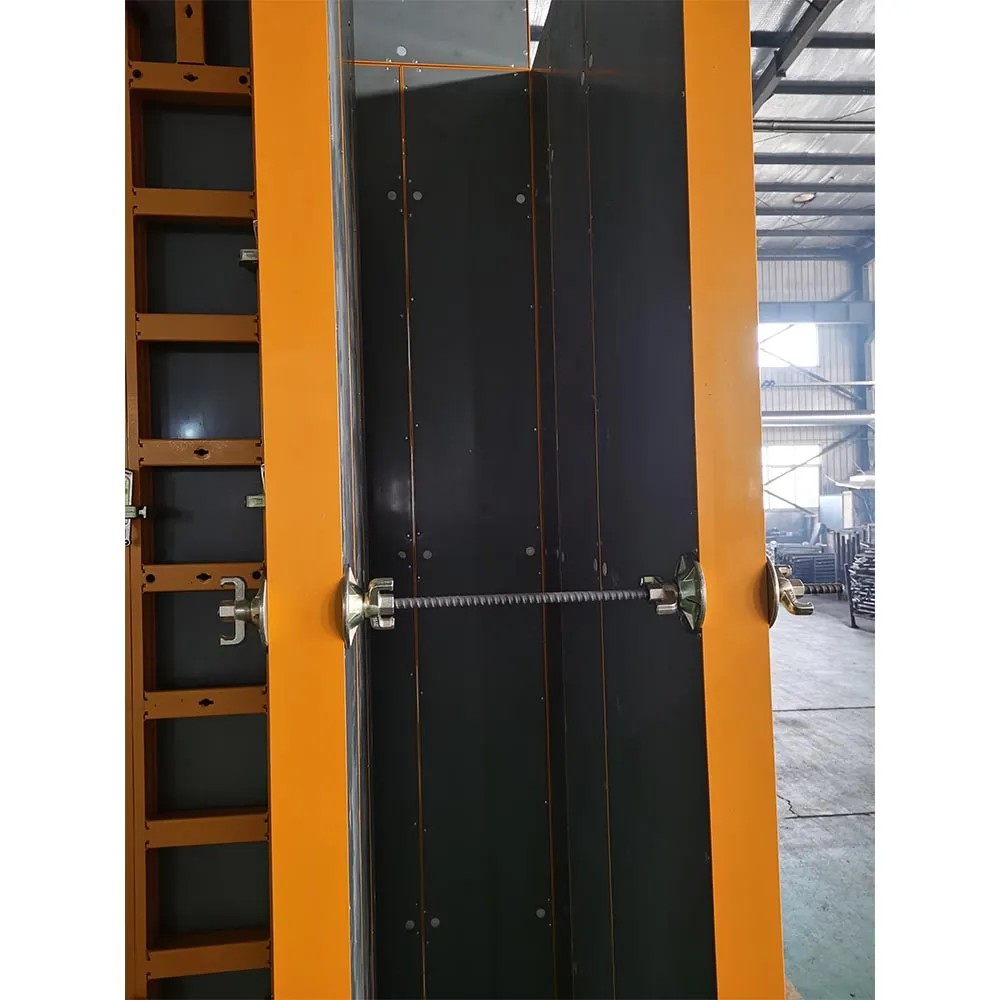
The Formwork Tie Rod System is the tension-and-anchoring hardware used to keep concrete formwork panels aligned, stable, and resistant to fresh concrete pressure during pouring and curing. In simple terms, it is the load-bearing connection that prevents the formwork from bulging, shifting, or failing, which directly protects concrete quality, site safety, and project profitability. For contractors, developers, and suppliers, a reliable Formwork Tie Rod System reduces rework, improves dimensional accuracy, and supports faster cycle times on wall, column, and shear wall projects.
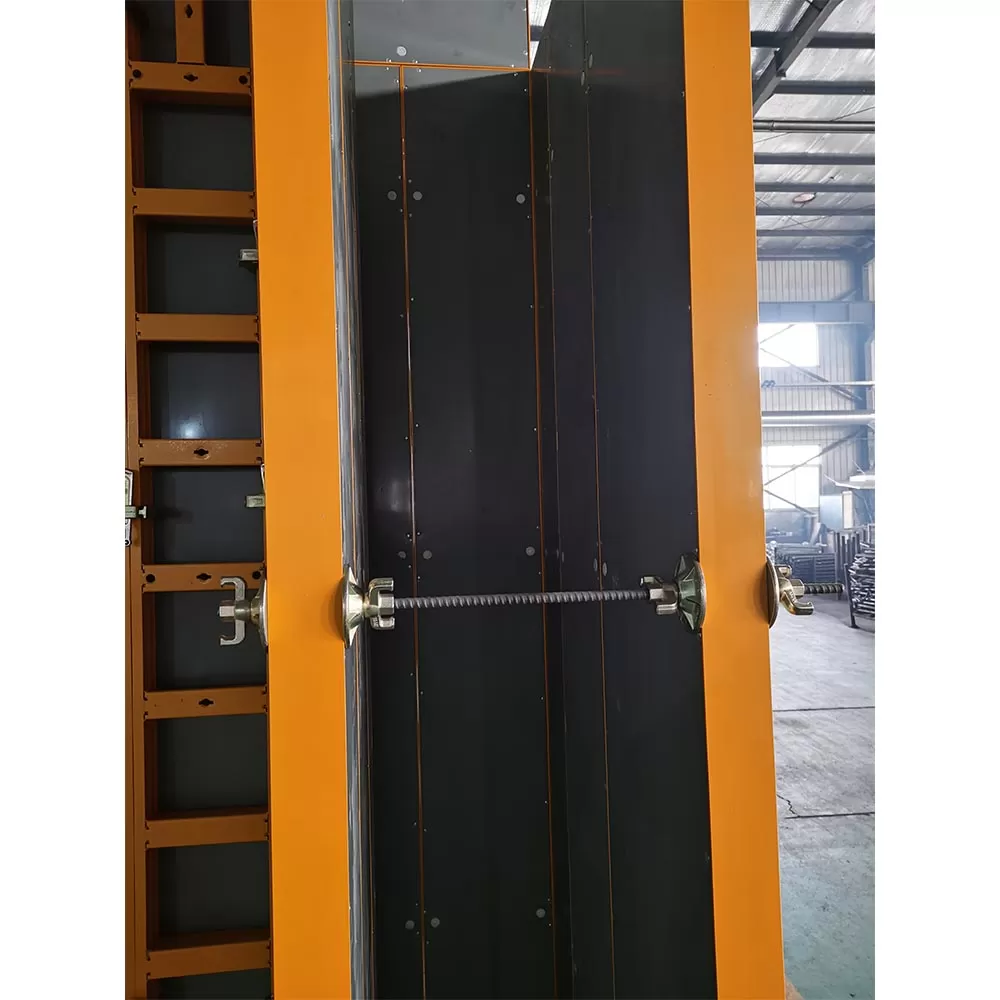
The modern Formwork Tie Rod System evolved alongside higher-rise concrete construction, faster cycle schedules, and stricter dimensional tolerances. In early formwork applications, wooden ties and improvised anchors were common, but these methods lacked repeatability and traceability. Today, the industry depends on engineered tie rods, wing nuts, washer plates, water stoppers, and anchor cones designed for controlled tensile performance and standardized assembly.
This shift matters because concrete is not static while fresh. During placement, it exerts significant lateral pressure, especially on tall pours, vibration-intensive placements, or mixes with high slump. A properly specified Formwork Tie Rod System provides the clamping force needed to maintain panel spacing and wall thickness within design tolerance, often down to 0.01 mm in machining-critical connector components and within strict site alignment limits for the assembled system.
At DYNAST, quality control is built around industrial traceability, dimensional consistency, and 100% inspection on critical components before shipment. That is why buyers searching for Common Problems in Formwork Tie Rod Systems often focus not only on price, but also on tensile reliability, coating performance, thread compatibility, and project consistency.
When users search for Common Problems in Formwork Tie Rod Systems, they are usually dealing with one of a few recurring failure patterns. These issues are rarely isolated; one defect can trigger a chain reaction across the pour, stripping process, and final concrete surface.
Thread damage is one of the most frequent failures in a Formwork Tie Rod System. It often happens when:
Once cross-threading begins, tightening torque becomes inconsistent, and the load transfer path weakens. In practice, this can lead to localized deformation, reduced clamping force, or even stripping under load.
A common misconception is that “if it turns, it fits.” In reality, a Formwork Tie Rod System needs precise thread engagement and compatible pitch. DYNAST recommends verifying thread profile and fit before installation, especially in multi-lot projects where component interchangeability is critical.
A tie rod is designed to work in tension, but repeated overloading can cause plastic deformation. This issue is more likely when the system is under-specified for the actual hydrostatic pressure of fresh concrete or when pour height exceeds the planned design.
Common causes include:
For procurement teams, this is where standard compliance matters. A dependable Formwork Tie Rod System should be evaluated against relevant material and mechanical criteria, with testing aligned to applicable standards such as ASTM or DIN, depending on the market and specification package.
Corrosion is another major pain point in Common Problems in Formwork Tie Rod Systems. Moisture, alkaline concrete residue, and poor storage conditions can accelerate oxidation, especially on repeated-use rods and accessories.
The practical impact is serious:
Many teams underestimate this issue because corrosion starts visually small. However, even minor pitting can reduce cross-sectional integrity over time. For this reason, a Formwork Tie Rod System should be stored dry, cleaned after each cycle, and checked during every return inspection.
Another overlooked issue is component mismatch. A tie rod may be technically “correct,” but if the wing nut, plate washer, or anchor cone is not compatible, the load distribution becomes uneven.
This often shows up as:
The industry term for this is poor system integration. In a high-performance Formwork Tie Rod System, every accessory must function as a matched load path, not as isolated parts. DYNAST supports this with controlled manufacturing tolerances and component compatibility checks before delivery.
To solve Common Problems in Formwork Tie Rod Systems, it helps to recognize the early warning signs before a pour becomes a failure.
These symptoms usually indicate a system-level issue rather than a single defective part. In other words, the problem may stem from design load, assembly practice, storage, or specification mismatch, not just product quality.
Many buyers assume all tie rods are interchangeable. That is one of the most expensive mistakes in formwork engineering. In reality, a Formwork Tie Rod System depends on thread standard, tensile grade, coating type, accessory geometry, and the project’s concrete pressure profile.
“Thicker rod always means better performance.”
Not always. If the accessory system is not rated for the same load class, the weakest point fails first.
“Visible rust is only cosmetic.”
Surface oxidation can increase friction, reduce reusability, and indicate deeper material exposure.
“Tightening harder solves leakage.”
Over-tightening can distort panels and strip threads, making leakage worse.
“Any supplier can replace worn parts.”
Without standard compatibility, mixed parts often create uneven loading and premature wear.
For contractors managing repetitive pours, avoiding these errors can save significant time. A well-specified Formwork Tie Rod System improves first-pass success, reduces patching, and protects slab-to-wall schedules.
DYNAST focuses on manufacturing consistency because the market for Common Problems in Formwork Tie Rod Systems is often driven by unstable quality. To support business reliability, we emphasize:
For engineering buyers, this matters because project risk is not just about product failure; it is also about supply continuity, documentation, and traceability. A properly managed Formwork Tie Rod System should come with clear specifications, repeatable performance data, and responsive after-sales support.
A mid-rise residential project experienced recurring panel bulging on core wall pours. The site team initially blamed the concrete mix. However, inspection showed mixed accessory brands, worn threads, and inconsistent tightening torque. The result was visible grout leakage and wall thickness deviation.
After switching to a standardized Formwork Tie Rod System from DYNAST, the contractor implemented:
Within two pour cycles, leakage complaints dropped sharply, and wall dimensional variance improved. The contractor reported fewer patch repairs and faster stripping. This is a clear example of how solving Common Problems in Formwork Tie Rod Systems improves both quality and cash flow.
Professional buyers should always ask how products are tested and verified. A trustworthy Formwork Tie Rod System should align with recognized industry standards where applicable, including relevant ASTM and DIN references for material properties, fastener performance, and dimensional control.
When these elements are documented, procurement becomes less risky. It also makes supplier comparison more objective, especially for projects with strict technical submittals and QA/QC approval flows.
The best way to handle Common Problems in Formwork Tie Rod Systems is to prevent them at the planning stage.
A disciplined Formwork Tie Rod System workflow protects both schedule and structure. It also increases reuse cycles, which lowers total installed cost over the full project lifecycle.
The main lesson is straightforward: the Formwork Tie Rod System is not a minor accessory, but a structural control component that directly affects concrete accuracy, surface quality, and jobsite safety. The most common failures include thread damage, corrosion, elongation, and accessory incompatibility, and each one can be prevented through standardization, inspection, and proper storage.
If you are evaluating Common Problems in Formwork Tie Rod Systems, focus on compatibility, test evidence, and supplier responsiveness rather than price alone. DYNAST supports buyers with engineered product consistency, standard-based quality control, and a 24-hour response service model designed for active construction schedules.
For projects that demand dependable performance, the right Formwork Tie Rod System is a quality investment, not just a material purchase.