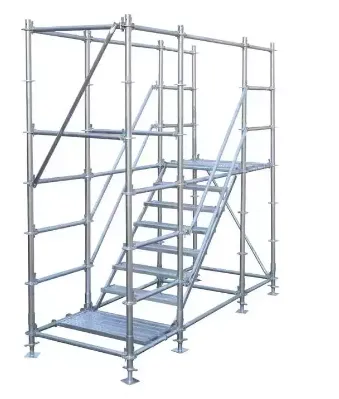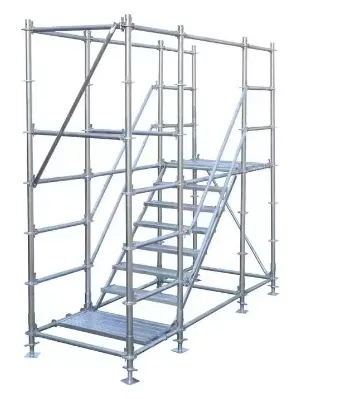
The Cuplock Scaffolding System is a modular steel scaffolding solution designed for fast assembly, stable load transfer, and safe access at height. In simple terms, it uses a cup-and-ledger locking mechanism to connect standards, ledgers, and transoms with fewer loose fittings, which helps contractors build working platforms quickly and reliably. For businesses, this means shorter erection time, lower labor cost, improved site safety, and better project turnaround—especially on commercial buildings, industrial plants, bridge works, and large-scale maintenance jobs.
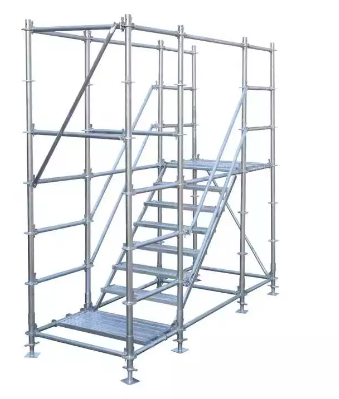
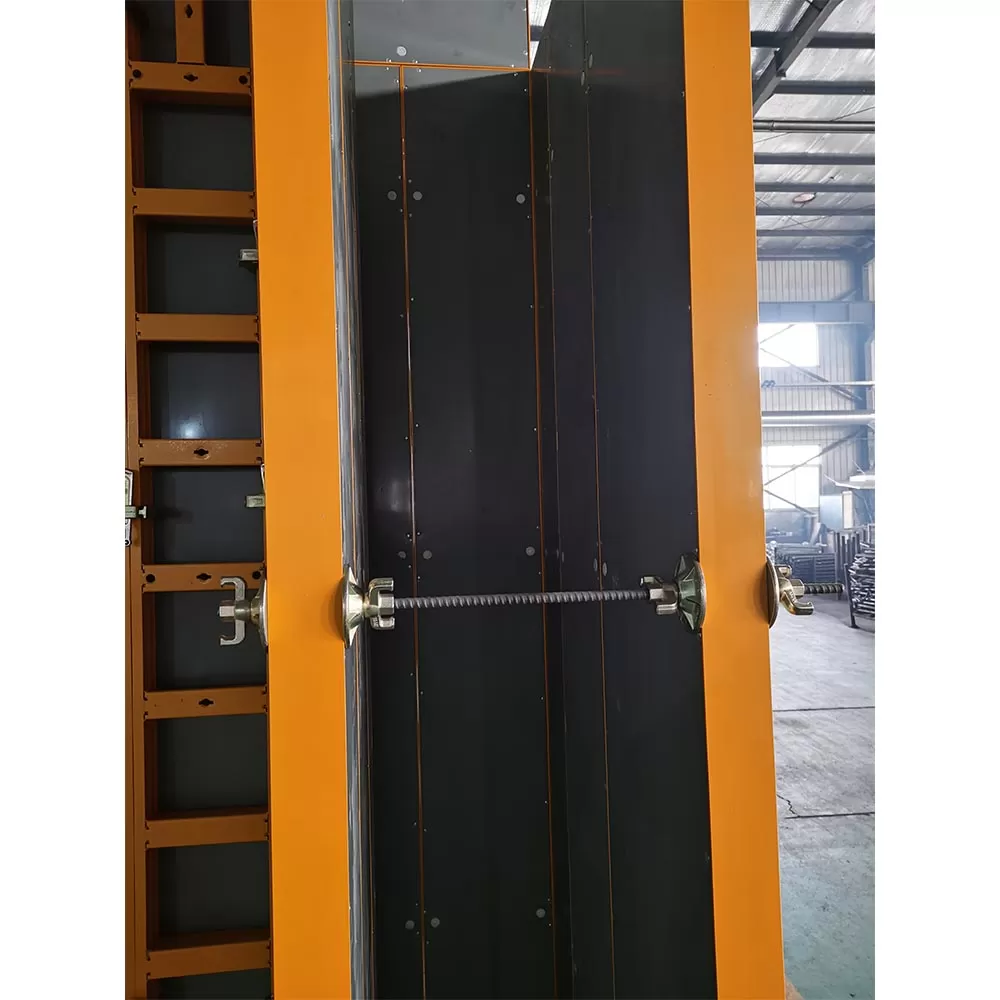
When project teams ask What are the benefits of Cuplock Scaffolding System?, the answer usually begins with speed and structural consistency. Because the locking node is simple and repeatable, crews can erect and dismantle frames faster than many traditional tube-and-coupler setups. That advantage directly affects labor productivity, which is one of the largest costs in scaffolding operations.
In real-world use, Cuplock is valued for:
For businesses managing tight deadlines, these benefits are not theoretical. They translate into fewer man-hours, fewer delays, and more predictable project execution.
Cuplock scaffolding became widely adopted as the construction industry moved toward modular systems that could improve installation efficiency and safety. Compared with older scaffold arrangements, the cup-lock mechanism created a more standardized node connection, which made training easier and reduced assembly errors.
Over time, Cuplock became popular in civil engineering, infrastructure, industrial maintenance, and high-rise construction because it offered a practical balance between strength and speed. Today, it remains a respected system in markets where teams need dependable access platforms and shoring support under demanding site conditions.
As construction methods advanced, so did expectations for quality control. Reputable manufacturers now align production with industrial inspection routines, dimensional checks, and material verification, often referencing standards such as ASTM, DIN, and project-specific load requirements. That is one reason buyers increasingly compare Cuplock with Ringlock System Scaffolding and other modular solutions before making a procurement decision.
The value of Cuplock is not only in the locking mechanism itself, but also in how the system performs across different site conditions. Once the components are manufactured with consistent tolerances and inspected properly, the scaffold becomes a highly dependable asset.
Cuplock systems are designed for quick connection with minimal tools. Because the ledger blades and cups engage in a controlled sequence, crews can assemble large scaffold bays efficiently.
This is especially useful when a contractor must scale labor output without compromising safety. In many projects, a well-trained crew can reduce erection time significantly compared with conventional pipe-and-coupler methods.
One of the biggest benefits is load distribution. The cup-lock node provides a secure junction for standards and ledgers, which helps transfer vertical and horizontal forces more effectively. That is why Cuplock is widely used for:
Where high service loads are expected, project engineers often compare Cuplock with Scaffolding Ringlock System configurations to decide which system better fits the span, load, and access requirements. In heavy-duty applications, both systems are proven, but the best choice depends on design complexity, erection speed, and material availability.
A modular system works best when parts are consistent. Cuplock’s standardized components help reduce confusion during assembly. Fewer loose couplers also mean fewer missing parts and less rework.
When components are produced with precision and verified through 100% inspection, the result is more predictable performance on site. Some manufacturers also apply dimensional control down to 0.01 mm on key interfaces to maintain fit-up consistency, especially on locking elements and connection points.
Safety is a major reason companies invest in Cuplock. A stable scaffold structure reduces the risk of platform movement, misalignment, and accidental loosening.
Professional suppliers also support compliance through:
For decision-makers comparing Scaffolding Ringlock System and Cuplock, compliance and traceable testing records often carry as much weight as price.
Cuplock components are designed for repeated use. With proper maintenance and storage, the system can deliver strong lifecycle value.
That makes it attractive to rental companies, contractors, and EPC firms seeking lower total cost of ownership. In business terms, a durable scaffold system reduces replacement frequency, lowers inventory waste, and improves equipment utilization across multiple job sites.
Although Cuplock has many benefits, the right scaffold depends on the project scope. Some teams now evaluate it alongside Ringlock System Scaffolding because Ringlock offers flexible rosettes and strong multidirectional adaptability.
Here is a simple comparison:
| Feature | Cuplock Scaffolding | Ringlock System Scaffolding |
|---|---|---|
| Assembly speed | Very fast | Very fast |
| Connection type | Cup-and-ledger lock | Rosette and wedge head |
| Structural use | Strong for shoring and access | Excellent for complex geometries |
| Training needs | Relatively easy | Easy to moderate |
| Component standardization | High | High |
| Best use case | Repetitive, high-volume scaffolding | Irregular layouts and advanced structures |
For contractors searching for Scaffolding Ringlock System or Ringlock System Scaffolding solutions, Cuplock remains a strong alternative when the project requires straightforward bay construction and efficient labor deployment.
Even experienced buyers sometimes misunderstand how the system works. Clarifying these points helps avoid costly mistakes.
Not true. Cuplock is widely used in shoring, birdcage scaffolds, staircase access, and industrial maintenance. Its structural versatility is one of its strongest advantages.
This is a common error. While Scaffolding Ringlock System and Cuplock are both modular, their node designs, assembly logic, and application strengths differ. The correct choice depends on load demand, layout complexity, and site workflow.
Low-cost components can create serious issues, including poor fit-up, coating failure, and premature wear. A reliable supplier should provide steel grade documentation, weld inspection, and test results aligned with ASTM, DIN, or project specifications.
Visual checks alone are not enough. High-quality suppliers often perform 100% inspection on critical dimensions and connection features. That level of control helps prevent mismatch, instability, and assembly delays.
As a professional scaffolding manufacturer and supplier, DYNAST focuses on precision fabrication, consistent quality control, and responsive project support. For buyers, that means more reliable procurement and fewer onsite surprises.
DYNAST’s approach typically includes:
In large projects, responsiveness matters. A 24-hour response window can help project teams solve compatibility, shipping, or documentation issues before they affect site progress.
Contractors looking for Scaffolding Ringlock System products often evaluate DYNAST for both Cuplock and Ringlock needs, especially where a single supplier can support multiple modular systems.
A mid-rise commercial building project needed extensive slab support and façade access within a compressed schedule. The contractor compared Cuplock with Ringlock System Scaffolding and selected Cuplock for the repetitive floor layout because of its fast bay-to-bay assembly and dependable load transfer.
The practical results were clear:
In another industrial maintenance case, a plant shutdown team used Cuplock for maintenance access around pipe racks and equipment zones. The simplified node connection reduced setup errors and allowed the scaffold team to mobilize quickly. In both cases, the system improved workflow and helped protect the project timeline.
For clients considering Scaffolding Ringlock System options, these examples show why Cuplock remains a competitive choice when repetitive structure and fast deployment matter most.
Before purchasing, buyers should confirm more than just price. A dependable supplier should provide engineering support and traceable QA documentation.
Look for:
If your project also involves Ringlock System Scaffolding, ask the supplier whether both systems can be sourced together. That can simplify procurement and reduce coordination risk across mixed-site requirements.
So, What are the benefits of Cuplock Scaffolding System? In short: faster erection, strong load performance, standardized modularity, better safety, and long-term value. For contractors, rental companies, and industrial users, Cuplock is a practical system that improves efficiency while supporting demanding jobsite conditions.
If your next project requires reliable access scaffolding or shoring, Cuplock is worth serious consideration—especially when paired with a trusted supplier like DYNAST that can deliver precision manufacturing, 100% inspection, and responsive support. If you are also comparing Scaffolding Ringlock System alternatives, reviewing both systems side by side will help you choose the most cost-effective and technically suitable solution for your project.
To learn more, request technical drawings, load data, and a quotation tailored to your application.