If you work in concrete construction, you already know one small part can decide whether a wall stays straight or moves under pressure. That part is the Formwork Tie Rod System. In simple terms, it helps hold formwork panels in place while concrete is poured and cured. For contractors searching for a formwork tie rod system for concrete walls, a heavy duty formwork tie rod system, or a formwork tie rod system components explained guide, this article covers the full process from definition to application, benefits, and next steps.
In modern construction, formwork failure is not just a quality problem. It can also mean waste, rework, and project delay. According to ACI 347R-14 (Guide to Formwork for Concrete), lateral pressure from fresh concrete can become significant during placement, especially with high slump mixes and fast pour rates. That is why a reliable tie rod system matters: it helps resist pressure, supports alignment, and protects the final concrete finish. Industry users often compare systems based on load capacity, rod diameter, nut type, and compatibility with wall formwork.
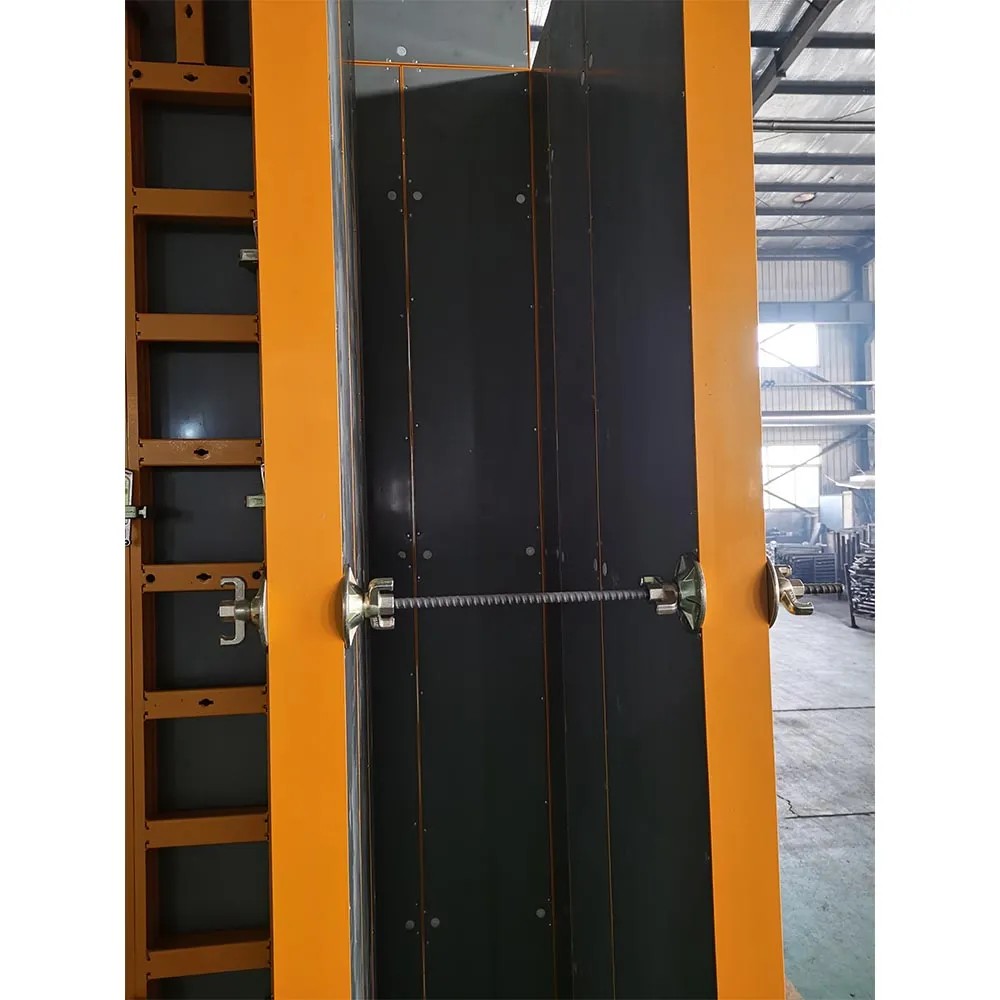
Image: Formwork Tie Rod System Components Explained
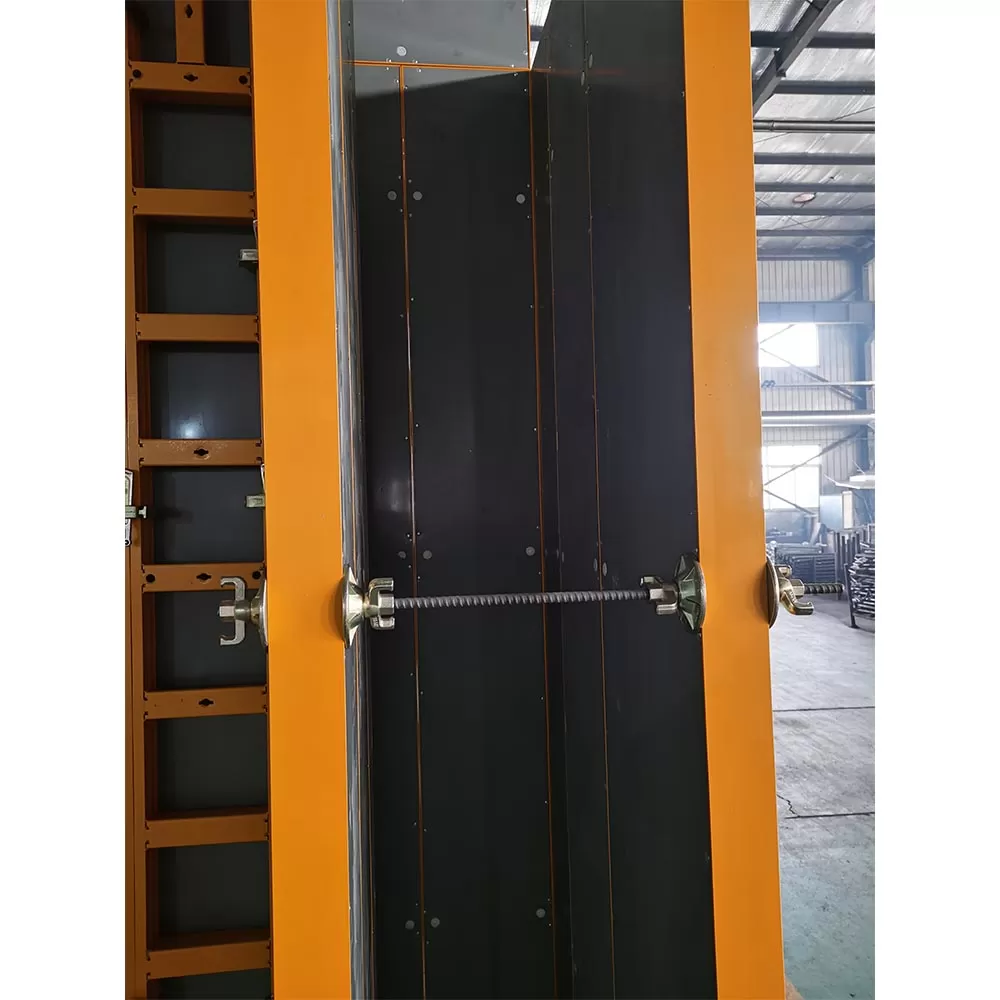
A Formwork Tie Rod System is a set of steel parts used to connect and hold opposite formwork panels together during concrete casting. Its main job is to control spacing and resist the sideways force from wet concrete.
In construction documents, you may also see these related terms:
The structure is simple, but the function is critical. Fresh concrete behaves like a fluid before it hardens, so it pushes outward on the formwork. Research and guidance from concrete formwork literature show that this pressure depends on factors such as:
This is why a concrete formwork tie rod system is not just a metal accessory. It is a load-bearing control point for the entire formwork assembly.
A Formwork Tie Rod System is a mechanical fastening system that keeps formwork panels at the right spacing and resists concrete pressure until the concrete gains enough strength.
Understanding the parts helps you choose the right setup and avoid site problems.
The tie rod is usually made from high-strength steel and threaded at both ends or along the full length.
Main function:
Common sizes:
This part locks the rod in place and makes tightening easier.
Why it matters:
A washer plate spreads the load over a wider surface.
Benefit:
These are often used in reusable formwork systems.
Function:
Used where water resistance is needed, such as basements, retaining walls, tunnels, or water tanks.
Purpose:
Although not tie rod parts themselves, these work with the system.
Role:
A system is only as strong as its weakest part. If the rod strength is high but the nut slips, the whole assembly loses performance. That is why project teams should confirm:
For large wall projects, even a small mismatch can create uneven surfaces or a wall thickness error of several millimeters. In precast and cast-in-place work, those millimeters can affect fit-up, finish, and later installation.
A Formwork Tie Rod System is widely used in concrete works where side pressure must be controlled.
This is the most common use. It helps form:
It is used in:
These projects often need:
Examples include:
In these projects, leakage control is important, so a tie rod system with water stopper accessories is often selected.
Used in:
When contractors need repeated assembly and stripping, a reusable system lowers waste and saves labor time.
Users often search for:
These are all practical, real-world applications of the same basic structure.
The value of a Formwork Tie Rod System is easy to see on site. It helps keep the project accurate, safe, and efficient.
A properly installed system keeps the formwork spacing stable. That means:
If the spacing changes during the pour, the wall can end up too thick on one side and too thin on the other.
Fresh concrete can create high lateral pressure, especially during fast pouring or when the mix remains fluid longer. A quality tie rod system distributes that pressure and lowers the risk of formwork movement.
Rework is expensive. Industry studies on construction productivity often show that poor formwork quality leads to major labor loss. If a wall needs patching, grinding, or rebuilding, the schedule and cost both rise.
A reusable system helps contractors save on material waste. This is especially useful in high-rise or repetitive wall projects.
When formwork is unstable, workers face higher risk during pouring and stripping. A correct tie rod setup lowers that risk by improving structural stability.
Instead of saying the system is “very strong,” it is better to look at performance in measurable terms. In practice, projects evaluate:
For example, a more efficient reusable formwork assembly can cut setup and removal time across repeated pours, which improves labor productivity over the course of a project. On large sites, even a small reduction in pour-day delay can save hours of crew time.
The working process is simple, but each step matters.
The panels are placed according to the wall layout and checked for level, plumb, and spacing.
Walters or strongbacks are installed where the rods will pass through.
The rod is passed through the system, usually through sleeves or tubes if required.
Wing nuts or plate nuts are tightened to lock the panels in the correct position.
As concrete is poured, the tie rods resist side pressure and keep the wall shape stable.
After the concrete reaches enough strength, the formwork is removed. Reusable parts are cleaned and stored for the next use.
Contractors check:
This step-by-step process is the reason the system is used in so many different construction projects.
The rod system manages lateral pressure from fresh concrete and helps maintain a safe formwork structure.
When the formwork stays steady, the wall surface is more even. That reduces patching and improves appearance.
Many systems can work with:
Reusable rods and accessories can lower material replacement needs.
Compared with more complex support systems, tie rod assemblies are usually fast to install and strip.
Whether the project is a small wall pour or a large basement structure, the system can be selected by rod size, accessory type, and load need.
With the right water stopper accessories, the system can support waterproof structures such as tanks and basements.
Choosing the correct system is not only about price. It is about matching the project conditions.
Higher walls, faster pouring, and slower-setting concrete may create stronger pressure.
Common choices depend on wall height and formwork type.
Make sure the nuts, cones, sleeves, and plates all match the rod thread.
If the wall must resist water, choose a system with water stopper accessories.
A system that lasts through more cycles can lower total project cost.
Good suppliers should provide:
For example, if a supplier can show tensile test data and coating thickness data, it is easier to compare products objectively.
To write this article with industry support, the following references are useful:
ACI 347R-14: Guide to Formwork for Concrete
Explains formwork design, pressure factors, and construction practice.
Eurocode 2 / EN 13670
Covers execution of concrete structures and formwork-related requirements.
Concrete Construction and formwork engineering publications
Provide practical guidance on wall pressure, assembly, and stripping.
Manufacturer technical documents from established formwork suppliers
These often include working load charts, assembly instructions, and accessory specifications.
For buyers and contractors, technical data sheets are more useful than general marketing language. They help compare products by actual performance.
Cause: rods are spaced too far apart, or the nuts are not tightened correctly.
Fix: reduce spacing, use proper load-rated rods, and inspect tightening before pour.
Cause: poor sealing, missing water stopper, or damaged sleeves.
Fix: use waterproof accessories and check fit before pouring.
Cause: incorrect rod layout or shifting formwork.
Fix: verify spacing and align panels before the concrete is placed.
Cause: concrete set too early around accessories, or parts were not cleaned.
Fix: apply proper stripping sequence and maintain components regularly.
Cause: repeated loading, corrosion, or thread damage.
Fix: inspect rods and nuts after each cycle and replace damaged parts early.
If you are comparing suppliers or planning a project trial, it is smart to review product specifications from a known brand like DYNAST. A reliable supplier should offer:
Before bulk purchase, ask for:
For teams that need a DYNAST formwork tie rod system, trial testing on one wall section is a practical way to check fit, tightening speed, and stripping performance before full deployment.
Its main purpose is to hold formwork panels in the correct position and resist the side pressure of fresh concrete.
Yes, in many construction contexts, the terms are used in a similar way, though exact naming can differ by region and supplier.
Not always. The right system depends on wall height, concrete pressure, waterproofing needs, and formwork type.
Common causes include overload, poor installation, incompatible accessories, corrosion, and reusing damaged parts.
Check the wall design, pour rate, and formwork pressure. If needed, ask the supplier for technical load data and installation guidance.
No. They are mainly needed for waterproof structures such as basements, tanks, tunnels, and retaining walls with water exposure.
A Formwork Tie Rod System is a small part with a big job. It controls formwork spacing, resists concrete pressure, and helps produce safer, cleaner, and more accurate concrete walls. If you are planning a new project, the next step is to read the product guide, confirm your wall pressure needs, and compare component specifications before buying.
If you want to understand the system faster, start with:
Then review a trusted supplier option such as DYNAST and ask for a sample or technical sheet. That is the easiest way to move from theory to a real site test.
If you want, I can also turn this into: