In concrete construction, the Formwork Tie Rod System is one of the small parts that carries a big job. It helps keep formwork panels stable, holds the right wall thickness, and reduces the risk of bulging or movement during pouring. If you are searching for a formwork tie rod system for concrete construction, a concrete formwork tie rod system, or a heavy-duty formwork tie rod system, this guide explains how it works, where it is used, and how to choose the right one for your project.
For contractors, the main problem is simple: wet concrete creates strong lateral pressure. If the tie rod system is weak or poorly installed, the formwork can shift, leak grout, or fail. In real projects, that can cause rework, schedule delays, and safety risks. Industry guidance from the American Concrete Institute shows that form pressure depends on factors like placement rate, vibration, slump, and temperature, which is why a reliable tie rod system matters so much in wall and column formwork.
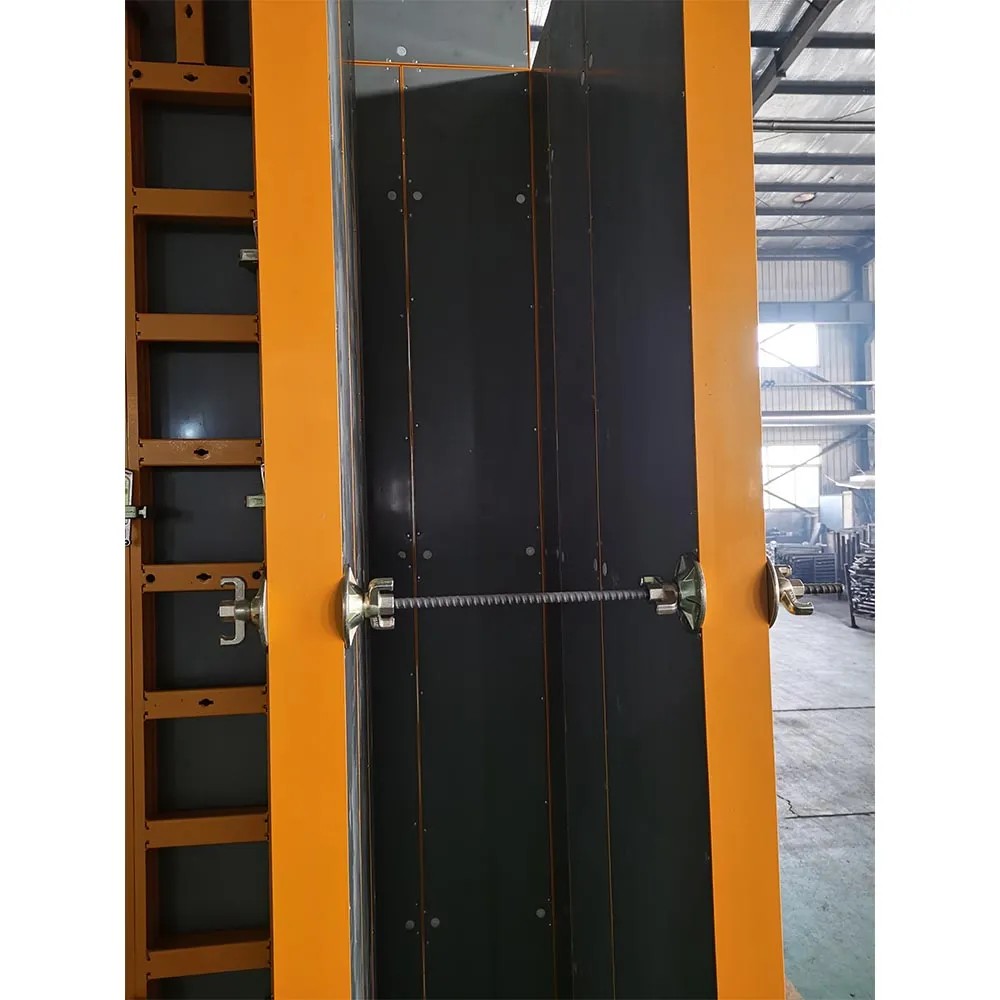
A Formwork Tie Rod System is a structural connection used in wall formwork to hold two opposite panels at a fixed distance. It usually works with wing nuts, anchor nuts, cones, plates, and sometimes water-stops or plastic sleeves. The tie rod resists the lateral force from fresh concrete and helps maintain the designed wall thickness.
In simple terms:
According to common formwork engineering references, fresh concrete pressure can approach fluid-like behavior in some placements, especially during fast pours and high slump mixes. That is why the tie rod is not just a connector. It is a load-bearing safety part.
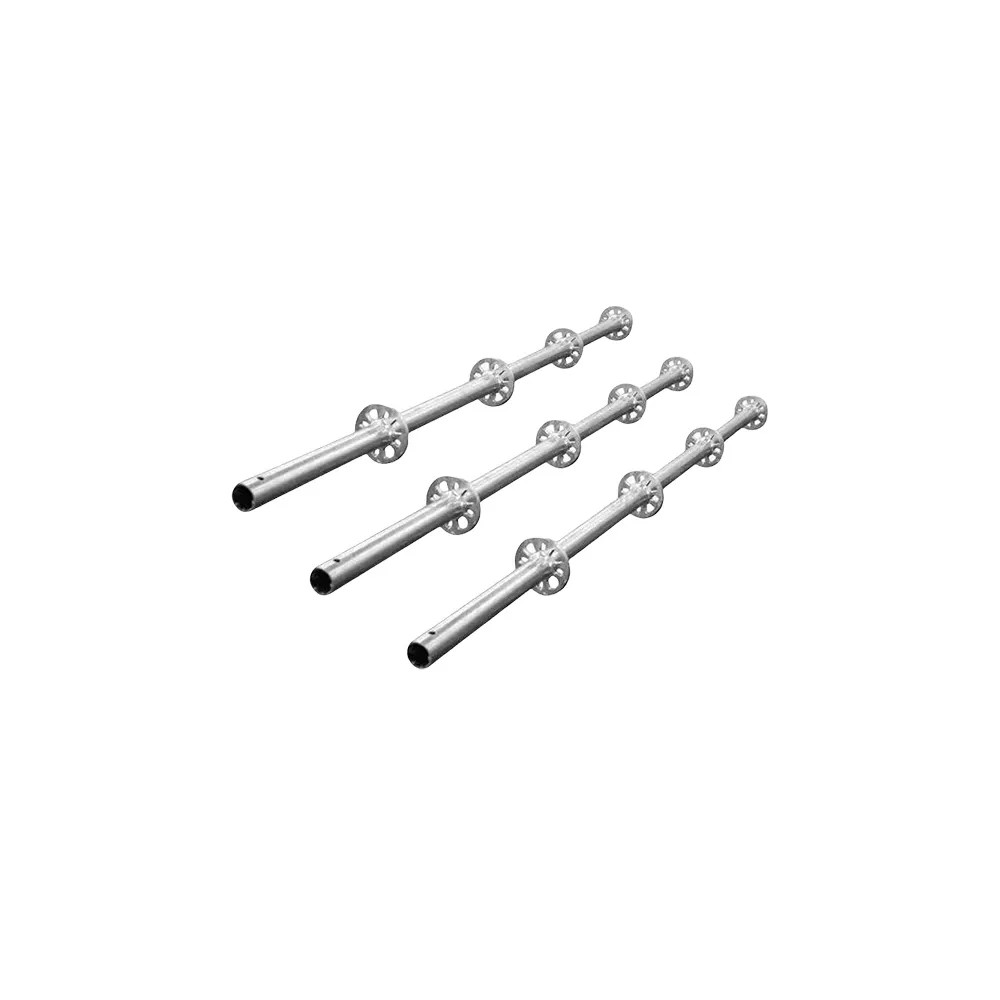
[Image: Formwork Tie Rod System for Concrete Construction]
The importance of a tie rod system is easy to see on site.
When concrete is poured into wall formwork, it pushes outward. If the pressure is not controlled, the wall can:
A good Formwork Tie Rod System for Concrete Construction helps solve these problems by keeping the formwork aligned until the concrete gains enough strength.
ACI formwork guidance and related engineering standards emphasize that formwork design must account for concrete pressure, pour rate, and bracing. In practice, that means the tie rod system directly affects quality, cost, and safety.
A complete system usually includes several parts. Each one has a clear role.
The tie rod is the core part. It is typically made from high-strength steel and has threads on both ends or along the full length.
Common functions:
These lock the rod in place and allow tightening by hand or tool.
Benefits:
This spreads the force from the nut across a larger area of the formwork panel.
Why it matters:
These help with stripping after concrete hardens and can create a clean hole path.
Advantages:
For water-retaining structures, a water stop may be added to reduce seepage through the tie hole.
This is important in:
A tie rod system works in a simple load path.
A small installation error can reduce load capacity. That is why experienced crews always check the full assembly before pouring.
The Formwork Tie Rod System for Concrete Construction is used in many projects where vertical concrete walls or similar structures are built.
Used for:
Why it helps:
Used for:
Why it helps:
Used for:
Why it helps:
Used for:
Why it helps:
Used for:
Why it helps:
A good tie rod system is important because it affects the three things every contractor cares about: quality, time, and cost.
The system holds the formwork in position under fresh concrete pressure. That helps reduce deformation and failure risk.
When the spacing is controlled, the finished concrete size is more consistent. This is critical for walls that must meet design tolerance.
Reliable hardware makes stripping and reassembly easier. On repeated wall pours, this can shorten the work cycle.
Fewer leaks and less movement mean fewer patch repairs and less surface correction.
Many tie rod parts can be used multiple times if they are properly cleaned and inspected. That improves material efficiency.
A stable formwork system reduces the chance of blowouts, which is one of the most serious risks in concrete placement.
Instead of saying the system is “very good,” it is more accurate to say it can reduce formwork movement, improve dimensional control, and lower rework demand across repeated pours. In many projects, that translates into fewer corrective actions and smoother scheduling.
Choosing the right system depends on the job, not just the price.
Factors that affect pressure include:
ACI guidance notes that these variables can significantly change formwork pressure, so the tie rod must match the real placement condition.
Do not assume one rod works for every wall. Larger walls or faster pours may need stronger components.
If the project is in a wet or coastal area, corrosion resistance matters. In some cases, protective coating or special finishes can extend service life.
The tie rod should match:
If the system will be used many times, invest in parts with better thread durability and surface protection.
Ask for:
This is where a professional supplier like DYNAST can help by offering system matching and product guidance for formwork projects.
Cause: uneven tightening or vibration
Fix: inspect torque before pouring and recheck during placement
Cause: tie rod spacing too wide or load too high
Fix: adjust tie rod layout based on wall height and pressure estimate
Cause: poor sleeve fit or damaged accessories
Fix: use proper cones, sleeves, and sealing parts
Cause: poor storage or excessive reuse
Fix: clean after each use and reject worn rods
Cause: incompatible accessories or concrete adhesion
Fix: choose a system designed for easy release
To get the best performance from a Formwork Tie Rod System for Concrete Construction, follow these site habits:
A good rule on site is simple: if a part looks damaged, do not reuse it in a critical pour.
For SEO and user experience, place images near the sections they support:
After the introduction
Use the provided image to show the product clearly.
Near the components section
Add a close-up photo of tie rods, nuts, and plates.
Near the application scenarios section
Add a site photo showing wall formwork in concrete construction.
This helps readers understand the product faster and can improve time on page.
Its main purpose is to hold formwork panels at the correct distance and resist the pressure of fresh concrete.
Yes, many parts can be reused many times if they are not bent, stripped, or corroded.
It is commonly used in wall formwork, basement walls, retaining walls, tanks, cores, and bridge-related concrete work.
Common causes include overload, poor installation, damaged threads, incorrect spacing, and corrosion.
Check wall height, pour rate, concrete mix, and compatibility with your formwork system. Supplier data sheets are also important.
Yes. In tanks and basements, the system helps with alignment, and water-stop accessories can reduce leakage risk.
If you are planning a wall, basement, tunnel, or tank project, the next step is to read the user guide, product data sheet, and installation instructions before purchase. That is the safest way to match the tie rod system to your concrete pressure and formwork design.
For a more practical selection, you can also consult DYNAST to understand which Formwork Tie Rod System fits your project, your reuse plan, and your site conditions. If you want to reduce installation mistakes and improve construction consistency, asking for a product match before the first pour is the smartest move.
If you’d like, I can also turn this into: