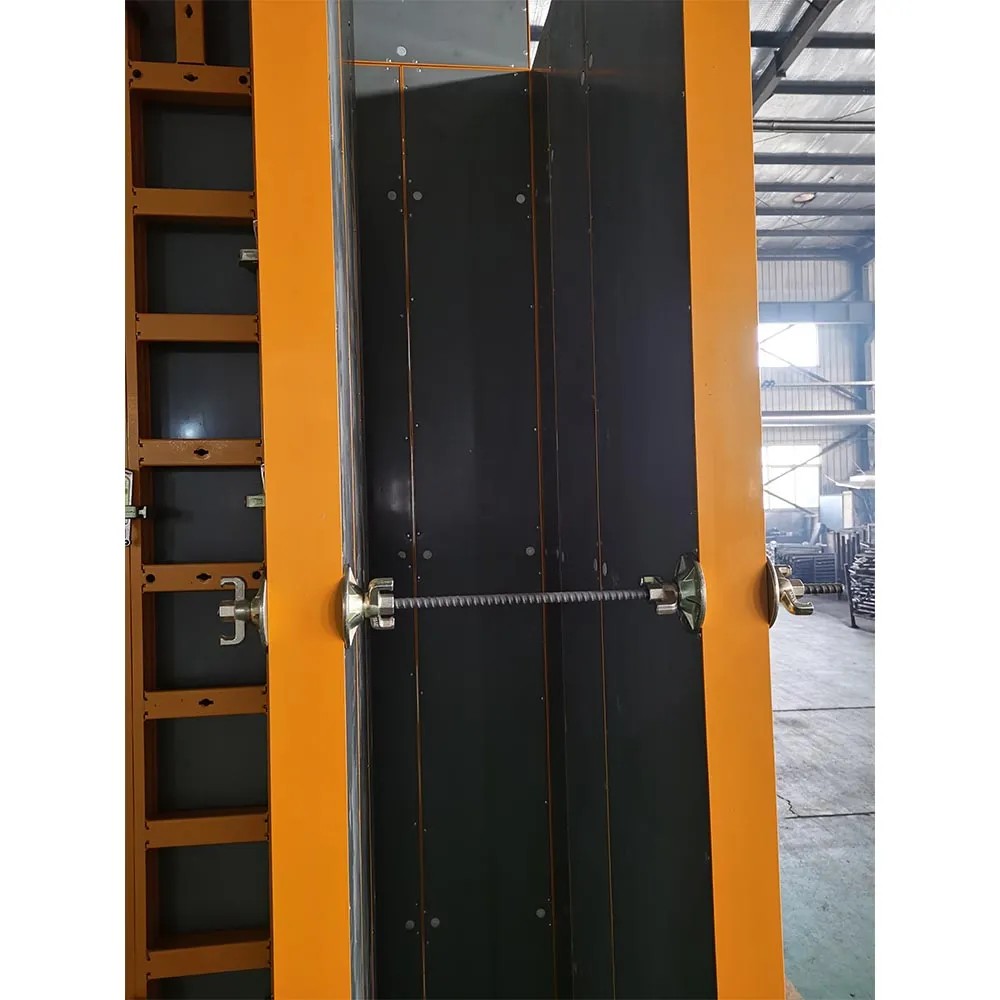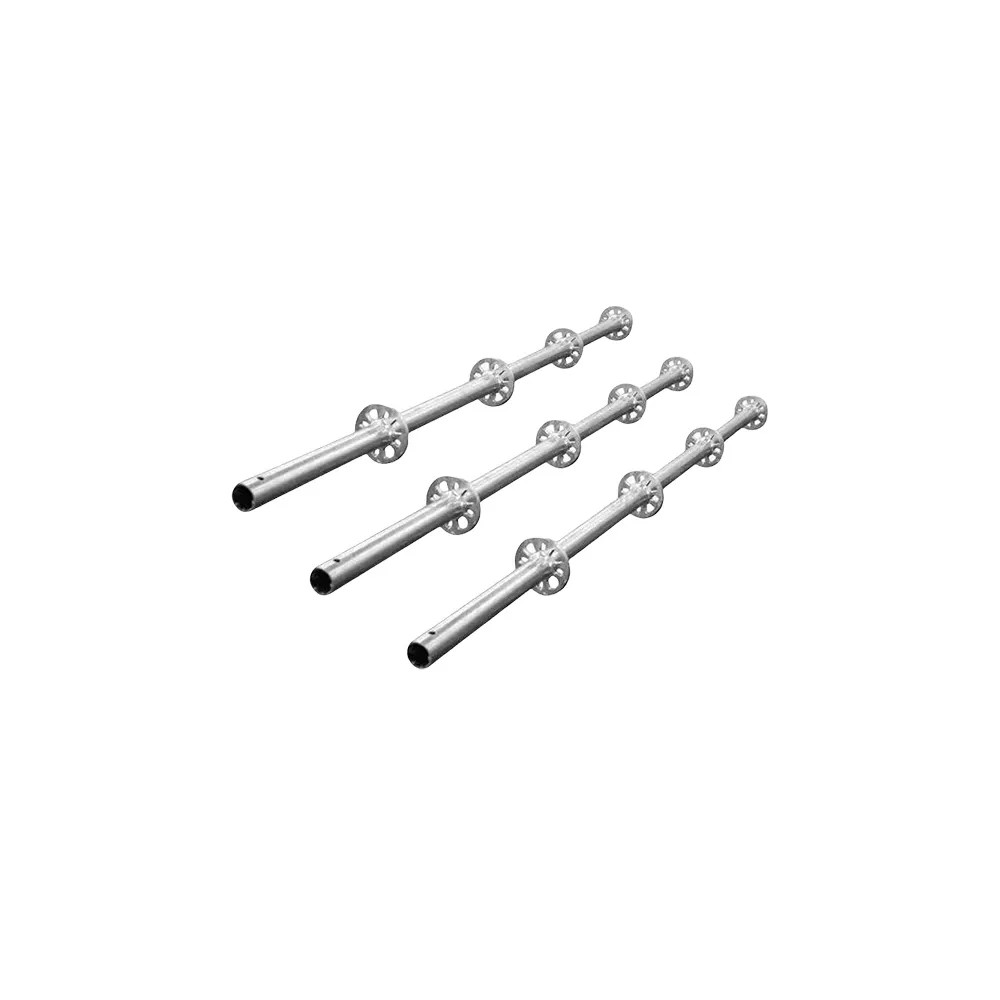
A Cuplock scaffolding system is a modular steel scaffolding solution that uses a simple cup-and-lock node joint to connect horizontal ledgers to vertical standards quickly and securely. In practical terms, it helps construction teams build stable access platforms, support formwork, and handle heavy-duty site loads with less labor and faster assembly than traditional tube-and-clamp methods. For businesses, this means shorter erection time, improved productivity, better safety control, and more predictable project costs. When properly manufactured and inspected, a Cuplock system becomes a high-value asset for contractors, builders, and industrial maintenance teams.
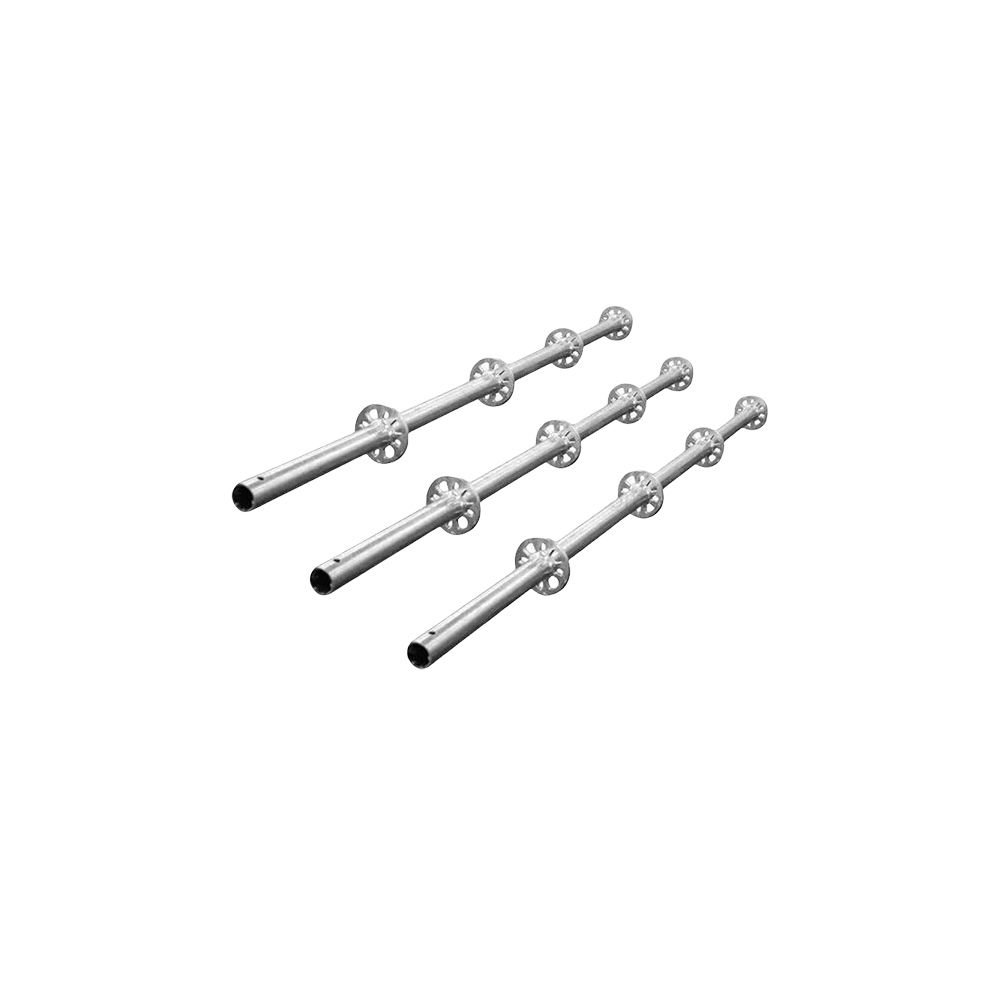
A Cuplock scaffold is built around a welded node point on each standard. The lower cup is fixed, the upper cup slides and locks the ledger blades in place with a quarter-turn action. Because the connection is fast and repeatable, crews can assemble large scaffold bays efficiently while keeping alignment accurate.
That is why Cuplock is widely used in:
In many projects, the value is not only speed but also repeatability. A well-made Cuplock module can support organized, multi-level working platforms with strong load transfer and stable node locking.
The Cuplock system gained popularity in the global scaffolding industry because projects needed a modular system that was faster than traditional scaffolding and more reliable under repetitive use. As construction schedules became tighter, contractors demanded equipment that could be installed with fewer fittings and fewer loose parts.
Over time, Cuplock evolved into a standard solution for many regions where speed, load capacity, and geometry consistency mattered. Today, it sits alongside other modular systems such as Ringlock scaffolding, especially in large infrastructure and industrial jobs.
In high-demand markets, the Scaffolding Ringlock System is often compared with Cuplock because both are modular and efficient. However, the Scaffolding Ringlock System uses a rosette node and wedge-head ledger connection, while Cuplock relies on the cup-node locking mechanism. For many contractors, the choice depends on load requirements, project complexity, and labor efficiency.
The core structure typically includes:
Because the connection is standardized, site crews can erect a bay in a logical sequence. This reduces installation errors and improves dimensional control.
For businesses, this also means fewer reworks. When the scaffold geometry is consistent, access planning becomes easier, and safety inspections are faster.
A Cuplock scaffold is not just a product; it is a workflow tool. Its real value appears when a project needs speed, load-bearing reliability, and repeatable performance.
Crews can assemble modules rapidly because the cup-lock joint reduces the number of loose couplers. In many site scenarios, this can cut erection time significantly compared with traditional tube-and-fittings.
The node-point design helps distribute loads efficiently through the standards. This is especially useful in formwork support and heavy-duty working platforms.
Modular bay spacing improves planning accuracy. That matters when contractors must align platforms, access routes, and formwork elevations.
Because fewer parts are required at each connection, the system can reduce skilled labor pressure on busy sites.
A standardized system makes inspection and compliance checks more straightforward. Good suppliers often provide 100% inspection of critical welds and dimensions before shipment.
In many procurement decisions, buyers compare Cuplock with the Scaffolding Ringlock System. The Scaffolding Ringlock System often excels in highly irregular structures, while Cuplock can be especially efficient in repetitive, straight-line builds. For many contractors, the Scaffolding Ringlock System and Cuplock each have a role depending on project geometry.
For professional buyers, scaffolding quality is not defined by appearance alone. It must be verified against recognized standards and controlled manufacturing processes.
A reliable manufacturer like DYNAST should emphasize:
Relevant testing and reference standards may include:
This is where purchasing risk is reduced. If a supplier can document inspection records, material certificates, and a clear QA process, buyers can make better decisions with less uncertainty. For urgent jobs, a 24-hour response from the supplier can also be a critical commercial advantage.
Many users assume all Cuplock systems are the same. That is one of the most costly mistakes in procurement.
Low-cost systems may have inconsistent tube thickness, weak welds, or poor cup fit. These issues create assembly delays and safety risks.
Without checking ASTM, DIN, or project-specific requirements, buyers may receive products that do not match engineering expectations.
Galvanizing quality, coating thickness, and corrosion resistance matter, especially in outdoor or marine environments.
Although both are modular systems, they are not interchangeable in every design. The Scaffolding Ringlock System has different node geometry, accessory compatibility, and assembly behavior.
No scaffold should be selected without checking intended live loads, dead loads, tie patterns, and foundation conditions.
For projects that require complex geometry, the Scaffolding Ringlock System may be a better fit. But for repetitive façade work and formwork support, Cuplock often remains highly efficient. Many engineers now keep both the Scaffolding Ringlock System and Cuplock in their toolkit.
| Feature | Cuplock Scaffolding | Scaffolding Ringlock System |
|---|---|---|
| Connection type | Cup-node locking | Rosette and wedge-head |
| Speed | Very fast for repetitive layouts | Very fast for complex layouts |
| Geometry | Best for regular bays | Better for irregular structures |
| Load performance | Strong for standard access and shoring | Strong for multi-directional applications |
| Labor efficiency | Reduced fitting count | Reduced fitting count |
| Typical use | Façade, support, access | Industrial, bridges, complex structures |
The Scaffolding Ringlock System is often preferred where multi-angle bracing and non-standard shapes are involved. Still, Cuplock remains a proven system for contractors who need rapid, uniform erection. In fact, many firms evaluate the Scaffolding Ringlock System alongside Cuplock before finalizing the bill of materials.
A mid-sized contractor managing a commercial building project needed to install façade access and support slab formwork on a tight schedule. The team selected Cuplock scaffolding from DYNAST because the site had repeated floor layouts and required quick turnaround between levels.
The result:
On the same project, the team also used the Scaffolding Ringlock System in a stair-core area with irregular geometry. This combination allowed them to match the scaffold type to the task rather than forcing one system to fit every application.
That is a useful lesson: the best system is the one that fits the structure, the schedule, and the safety plan.
When selecting scaffolding, buyers need more than just product photos. They need a supplier that understands engineering, inspection, and export-level quality control.
DYNAST focuses on:
If you are comparing Cuplock with the Scaffolding Ringlock System, DYNAST can help match the right scaffold to the job requirements. For many procurement teams, this reduces technical uncertainty and improves purchasing confidence.
So, What is a Cuplock Scaffolding System? It is a modular, cup-lock-based scaffolding solution designed for fast assembly, strong load transfer, and reliable site access. Its practical value lies in efficiency, safety, and repeatable performance, especially on projects with standard layouts and time pressure.
The key points are simple:
If you are planning a project and need the right system, compare your load requirements, structure shape, and schedule first. Then choose the solution that delivers the safest and most efficient result.