When it comes to choosing scaffolding systems that ensure safety and efficiency on construction sites, understanding the differences between Cuplock and Kwikstage scaffolding is vital. In this article, I will provide you with clear and actionable steps to help you navigate these two scaffolding systems, ensuring you make the best decision for your project needs. With over 100% inspection rates and adherence to standards like ASTM and DIN, I will guide you through the nuances of each system, highlighting practical applications that can significantly enhance your workflow.
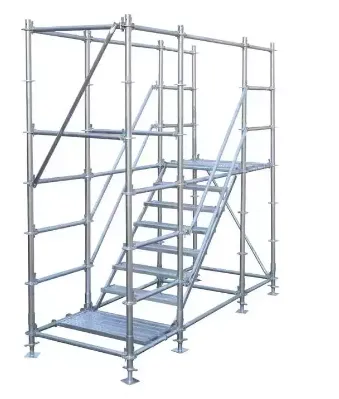
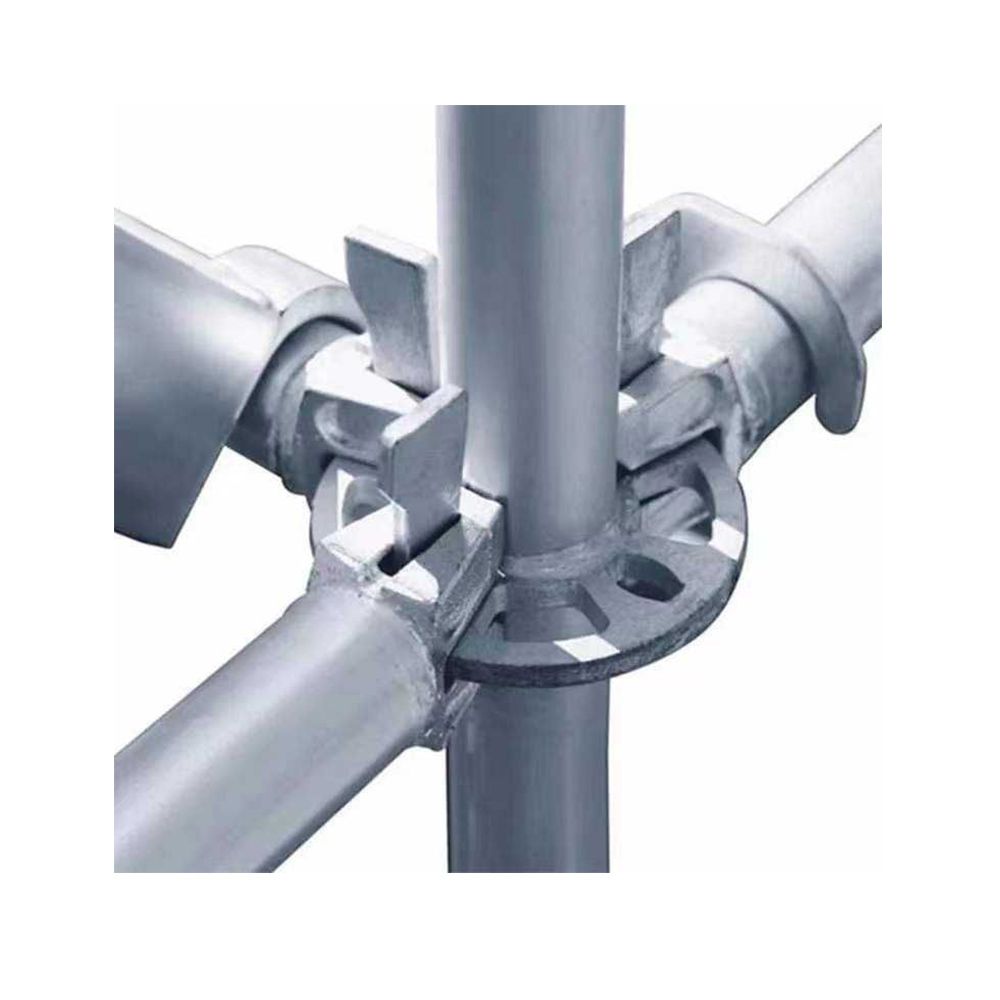
The Cuplock scaffolding system leverages a unique cup system for connecting vertical and horizontal members. This design provides exceptional stability, allowing for easy assembly and disassembly. On the other hand, the Kwikstage system features a more traditional method with a combination of vertical posts and ledger beams that lock together, providing a flexible and robust structure. Both systems have their place in the scaffolding industry, but their differences can drastically affect site performance and safety.
Cuplock System Overview: The Cuplock system utilizes double couplers and distinct cup arrangements that allow for quick connections, making it incredibly efficient for large-scale projects. It can hold loads up to 300 kN per vertical, providing excellent strength-to-weight ratios.
Kwikstage System Overview: In contrast, the Kwikstage system comprises standard 0.6m and 2.0m frames that can be used in various configurations. This flexibility allows for easy adaptation across different site conditions, although its max load is generally lower compared to Cuplock.
To effectively compare these two systems, focus on their application, load capacity, and ease of setup, answering crucial user queries such as:
Load Capacity: Cuplock can support heavier loads due to its robust design, often preferred in high-rise construction. Remember, precise planning for load expectations can prevent site accidents.
Setup Speed: Cuplock scaffolding can be erected faster than Kwikstage, saving on labor costs. Yet, Kwikstage’s versatile design allows for creative configurations that Cuplock might not support as effectively.
Interchangeability and Parts: While Cuplock components are more specific, Kwikstage components may require additional parts for unique setups. Consider investing in a comprehensive component kit for Kwikstage to enhance flexibility.
Choosing the right scaffolding can significantly affect project timelines and safety records. According to industry reports, implementing a system like Cuplock has resulted in improved efficiency by up to 30% in high-load scenarios, while Kwikstage has shown how flexible design can reduce the rework rate on irregular sites.
One challenge in adopting either system is the learning curve. Training workers on optimal setup methods is crucial. To overcome this:
Utilize Training Resources: Engage with certified training providers or invest in workshops that focus on both Cuplock and Kwikstage installations.
Seek Guidance: Consult with industry experts or reach out to the suppliers at DYNAST for best practices and installation guidelines, ensuring you adhere to applicable safety practices and standards.
To further improve the execution efficiency of your selected scaffolding:
Use Scaffolding Calculators: These tools help in load distribution and component needs, ensuring that your setup meets rigorous safety standards.
Inspection Checklists: Maintain a 24-hour response to site inspections using detailed checklists that follow ASTM guidelines. This ensures consistent quality control.
Assess Load and Site Conditions: Clearly define the load requirements and site constraints before choosing Cuplock or Kwikstage.
Select the Scaffold System: Based on the previous assessments, I recommend Cuplock for higher load capacity needs and Kwikstage for versatile site applications.
Implement Training: Make sure your team is well-trained on the chosen system for safety and efficiency.
Utilize Quality Control Practices: Adhere to rigorous inspection protocols, whether you choose Cuplock or Kwikstage.
By understanding how Cuplock and Kwikstage scaffolding differ, you're empowered to make informed decisions that will enhance your project's success. Take action today by exploring these options and consider reaching out to professionals for further guidance. With diligence, you can ensure a safe and productive working environment on your next construction project.