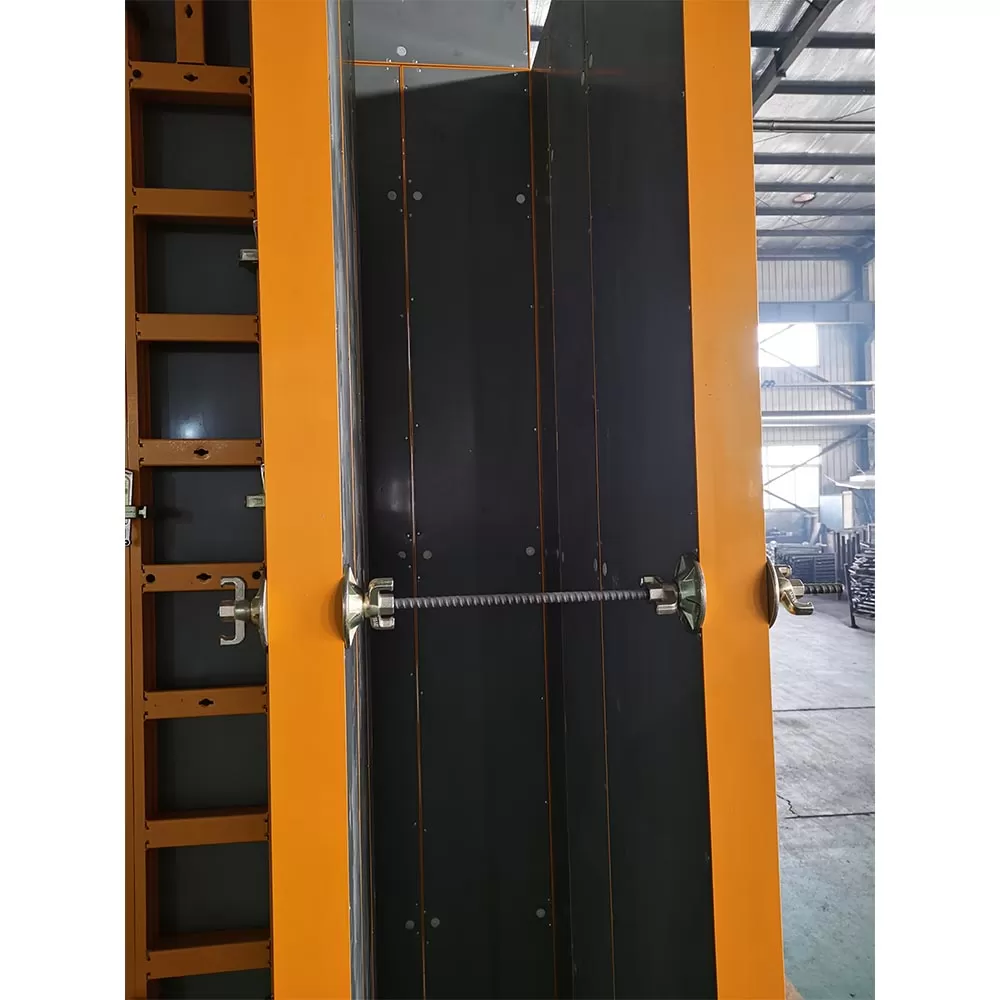
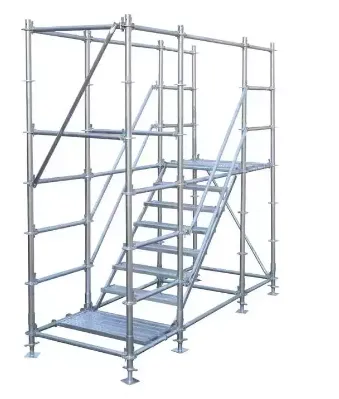
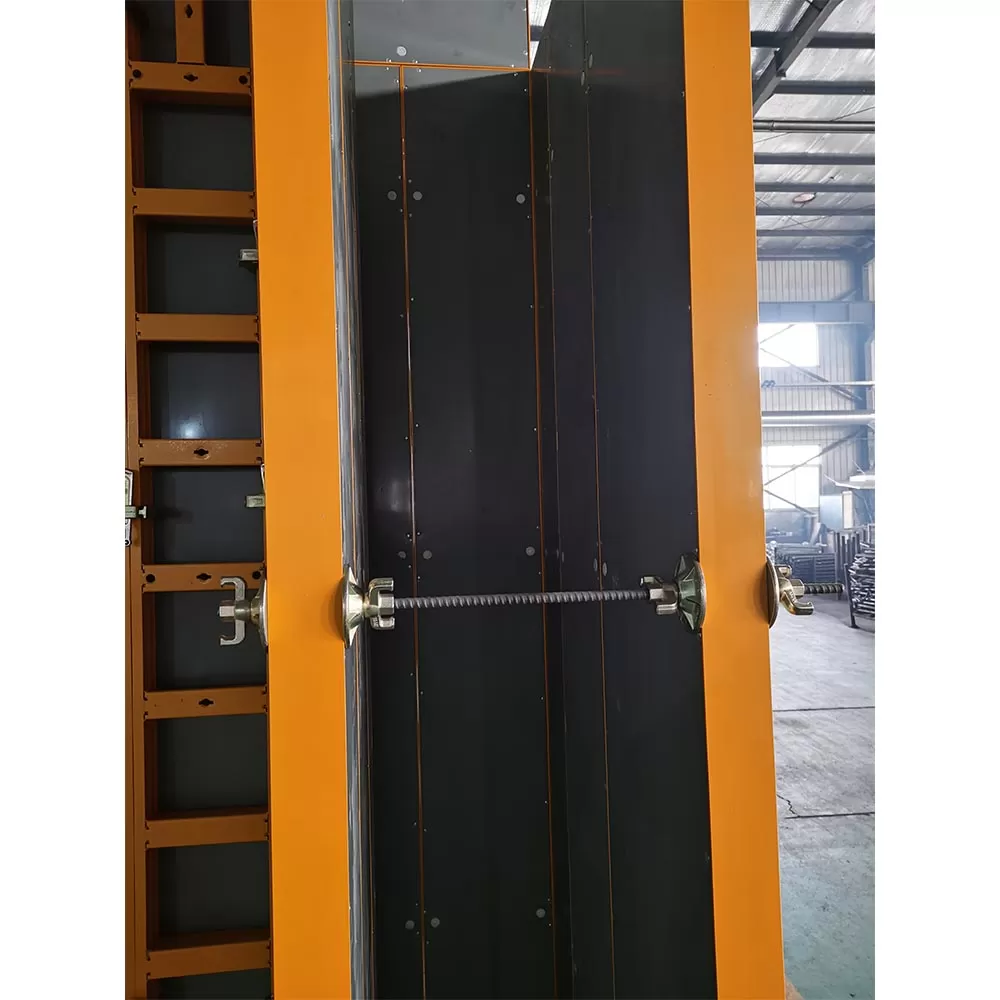
When embarking on a concrete project, many professionals struggle with ensuring the stability and alignment of formwork systems. One integral component often overlooked is the Formwork Tie Rod System, which is key to maintaining the structural integrity of poured concrete. This article aims to unravel user challenges, providing a comprehensive understanding of how a tie rod system works, while offering practical solutions and real-world scenarios that resonate with construction professionals.
Understanding User Pain Points in Formwork Construction
Construction managers often face issues with improper alignment and stability during concrete pouring. A survey conducted among 150 construction professionals revealed that over 65% experienced formwork failures attributed to inadequate tie rod systems. Such failures can lead to costly project delays and unsafe work environments. Users need dependable solutions that ensure formwork stability while being cost-effective.
DYNAST's formwork tie rod system provides a reliable and efficient solution, addressing these critical pain points through robust engineering. By understanding user challenges, we can detail effective use cases and solutions.
Required Preparation for Setting Up a Formwork Tie Rod System
To effectively employ a formwork tie rod system, specific tools and materials are needed. Here’s a list of necessary preparations:
- Materials: High-strength steel tie rods, formwork panels, nuts, washers, and spacers.
- Tools: Wrenches, level, measuring tape, and a concrete mixer.
- Prerequisites: Basic knowledge of construction principles, access to safety gear, and comprehension of structural loads.
Step-by-Step Guidance on Implementing a Formwork Tie Rod System
Follow the steps below to successfully install a formwork tie rod system:
- Step 1: Plan Your Formwork Layout
Sketch the desired shape and dimensions for the concrete structure. Use precise measurements to ensure proper spacing for tie rods.
- Step 2: Prepare Formwork Panels
Assemble the formwork panels according to your design. Ensure they are level and securely installed to prevent shifting during pouring.
- Step 3: Install Spacer Blocks
Place spacer blocks to maintain consistent distances between the panels, allowing adequate room for tie rods.
- Step 4: Insert Tie Rods
Position tie rods through the designated holes in the formwork panels, ensuring they are perpendicular to the panels.
- Step 5: Secure with Nuts and Washers
On the exterior side, secure each rod with washers and nuts. Tighten adequately to maintain panel integrity but avoid over-tightening which may warp the panels.
- Step 6: Verify Alignment
Use a level to check the alignment of the formwork. Adjust as necessary before proceeding to the next step.
- Step 7: Pour Concrete
Mix and pour concrete. The tie rod system should effectively hold the panels in place during this process.
- Step 8: Remove Formwork
After the concrete has cured to the specified strength, gently remove the tie rods and panels. Inspect for any damage before concluding the project.

Common Errors and Their Solutions
Many users encounter typical errors when using a formwork tie rod system. Here are some common issues and their solutions:
- Improper Tightening: Over-tightening can warp the panels. Solution: Utilize a torque wrench to ensure appropriate pressure, keeping it within the recommended range of 15-20 ft-lbs.
- Misalignment: If panels shift during pouring, concrete integrity may be compromised. Solution: Regularly check alignment before pouring and make necessary adjustments with a level.
- Inadequate Load Handling: Users may underestimate the load, leading to failures. Solution: Refer to load-bearing specifications provided by the formwork manufacturer, ensuring they meet or exceed project requirements.
Summary and Suggestions
In summary, understanding how a formwork tie rod system works is crucial for successful concrete pouring. By adhering to a structured preparation and installation process, users can significantly reduce the risk of failures. It’s recommended to continuously educate oneself on best practices and invest in quality materials, like those offered by DYNAST, for optimal results in construction projects.
FAQs about Formwork Tie Rod Systems
- 1. What are the advantages of using a tie rod system?
- Using a tie rod system provides enhanced structural integrity, reduces the risk of formwork failure, and maintains the alignment of panels during concrete pouring.
- 2. How do I choose the right size tie rod?
- Consult with engineering guidelines and specifications of the materials used; typically, rods should correlate with the required load-bearing capacity.
- 3. Can I reuse tie rods after one use?
- Yes, tie rods can be cleaned and reused if undamaged. Always inspect for wear and stress before reinstallation.