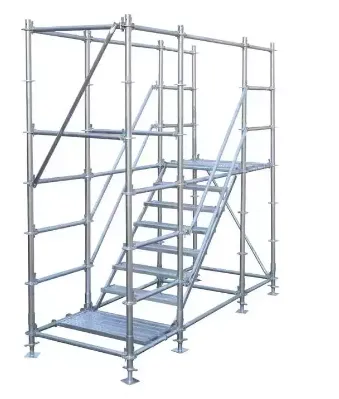
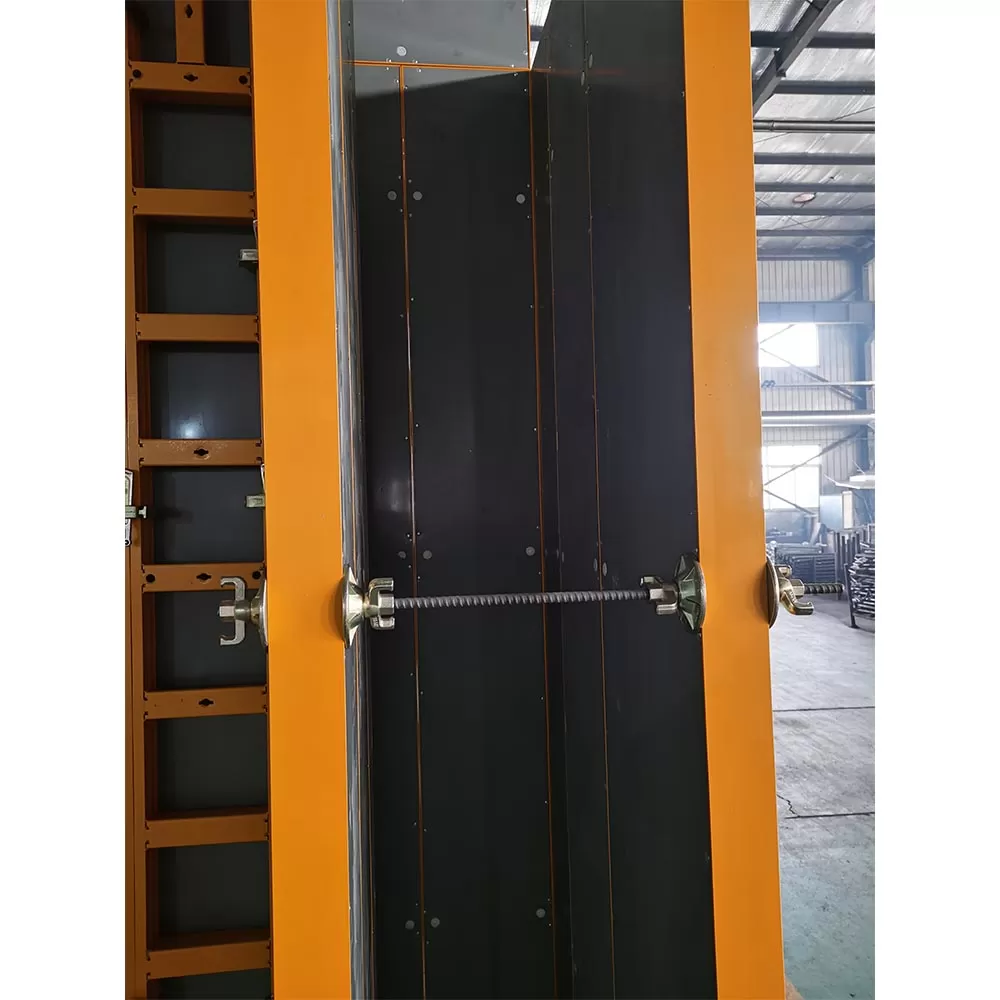
Start by identifying the dimensions and complexity of your project. Consider factors like height, accessibility, and the specific tasks that will be performed. Measure the work area accurately to determine the type of scaffolding needed.
Determine the weight that scaffolding needs to support, including workers, materials, and tools. This step is crucial as it influences the type of scaffolding you select. Use a load calculator for precise calculations to ensure safety and compliance with regulations.
This type is commonly used for its stability and ease of assembly. It is perfect for straightforward, flat surfaces. Opt for this when working on buildings, where only vertical and horizontal support is needed.
Mobile and easy to maneuver, rolling scaffolding is ideal for projects requiring movement. Ensure the wheels lock properly to prevent accidental movement while in use.
To establish a safe and effective scaffolding system, gather the following tools:
Measurement tape
Leveling tool
Wrenches and screwdrivers
Sledgehammer (for initial setup)
Safety harnesses and helmets
Regular maintenance is key for safety. Required tools include:
Inspection checklist
Cleaning supplies
Repair tools (e.g., duct tape, replacement parts)
Clear the area around the project site and mark the layout of the scaffolding. Ensure the ground is stable and level to support the structure.
Begin by laying the base plates, then erect the vertical frames. Attach cross braces in a diagonal pattern for stability, ensuring all components are tightly secured.
Install planks or decks, ensuring they fit snugly across the frames. Check for any gaps that could pose risks to workers.
Before using, conduct a thorough inspection of the entire structure. Look for loose parts, stability, and ensure safety harnesses are available for workers.
Do not overlook local safety codes and guidelines. Always ensure your scaffolding complies with regulations to avoid legal and financial repercussions.
Misjudging the load can lead to catastrophic failures. Always calculate weight limits before assembly and confirm they align with your needs.
Falling into the habit of skipping regular inspections can lead to dangerous conditions. Make it a point to check integrity weekly and after inclement weather.
Choosing the right scaffolding system is crucial for the safety and efficiency of your project. At DYNAST, we are committed to providing high-quality scaffolding solutions tailored to your needs. For more information about our products, visit us at  .
.