In the fast-paced construction industry, choosing the right Scaffolding System Supplier can significantly impact project efficiency and safety. Scaffolding systems are integral to construction projects, offering essential support for workers and materials during building, renovation, and maintenance. With high-profile cases of construction accidents highlighting the importance of safety measures, the emergence of sophisticated scaffolding solutions has become crucial. This article aims to comprehensively address user concerns with scaffolding systems, emphasizing safety considerations when using scaffolding and providing insights into their application and benefits.

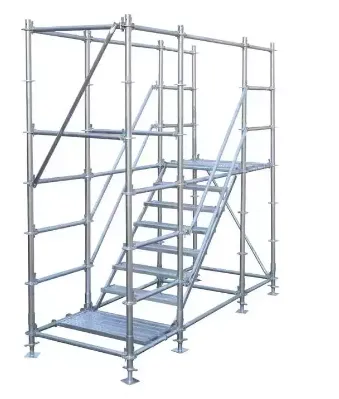
Scaffolding systems are temporary structures that support a work crew and materials during the construction or repair of buildings. They consist of a network of platforms and supports, allowing for easier access to high areas. Common terms related to scaffolding include:
Modular Scaffolding: Pre-fabricated components that allow for a customizable setup.
Frame Scaffolding: Traditional structures made from steel or aluminum frames that are easy to assemble and disassemble.
Suspended Scaffolding: Platforms that are suspended from the top of a structure, commonly used for high-rise buildings.
These systems are designed to meet stringent safety standards, ensuring they can withstand the weight of workers and materials while preventing accidents.
Scaffolding is utilized in various fields, including:
Construction: For building new structures and remodeling existing ones.
Maintenance: In industrial plants where routine inspections and repairs are necessary.
Events: For temporary setups like stages and viewing platforms during festivals or concerts.
In construction alone, the global scaffolding market was valued at approximately $3 billion in 2021 and is projected to grow at a CAGR of 6% from 2022 to 2030 (source: Grand View Research). This expansion reflects the growing demand for safer and more efficient scaffolding solutions in diverse applications.
The importance of scaffolding systems cannot be overstated for several reasons:
Safety Compliance: Scaffolding systems are designed following OSHA regulations, significantly reducing the risk of accidents. For example, using proper scaffolding can lower fall risks by up to 50% compared to working without.
Work Efficiency: A well-structured scaffolding system enhances worker productivity. Studies show that construction workers can complete tasks up to 30% faster when using scaffold platforms to access their work.
Versatility and Customization: Modular scaffolding allows for adjustments and modifications to fit specific project needs, enabling efficient use in various construction environments.
When utilizing scaffolding systems, safety must be top of mind. Notable considerations include:
Structural Integrity: Regular inspections should be conducted to ensure the scaffolding system is stable. According to guidelines, inspections should occur at least once every 7 days and after any significant weather event.
Load Capacity: Understanding the weight limits for different scaffolding setups is crucial. Frameworks should only hold loads within specified limits to avoid collapses.
Training: Workers must be trained on proper scaffolding use and safety measures, which can reduce accidents by 75%.
To get the most out of scaffolding systems, consider reviewing your project’s scaffolding requirements and selecting a reliable Scaffolding System Supplier. Engaging with suppliers like DYNAST can provide access to high-quality scaffolding solutions tailored to your project's specific needs. Reading user guides and safety manuals from these suppliers can further enhance your understanding and safe use of scaffolding systems.
What materials are used in scaffolding construction?
Scaffolding is typically made from steel, aluminum, or fiberglass, with steel and aluminum being the most common due to their strength and durability.
How often should scaffolding be inspected?
Scaffold inspections are recommended at least every 7 days, or immediately after severe weather conditions or changes in structure.
Can scaffolding be used for outdoor projects?
Yes, scaffolding systems are designed for both indoor and outdoor projects, but special attention must be given to the weather and securing the structures against wind.
In conclusion, understanding scaffolding systems is essential for safety, efficiency, and compliance in construction projects. By choosing the right Scaffolding System Supplier and prioritizing safety practices, project managers can ensure positive outcomes and safeguarded work environments. For anyone considering further exploration of this topic, looking into recommendations from well-established brands like DYNAST can provide valuable insight and practical solutions.