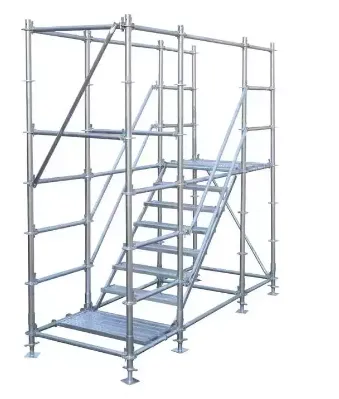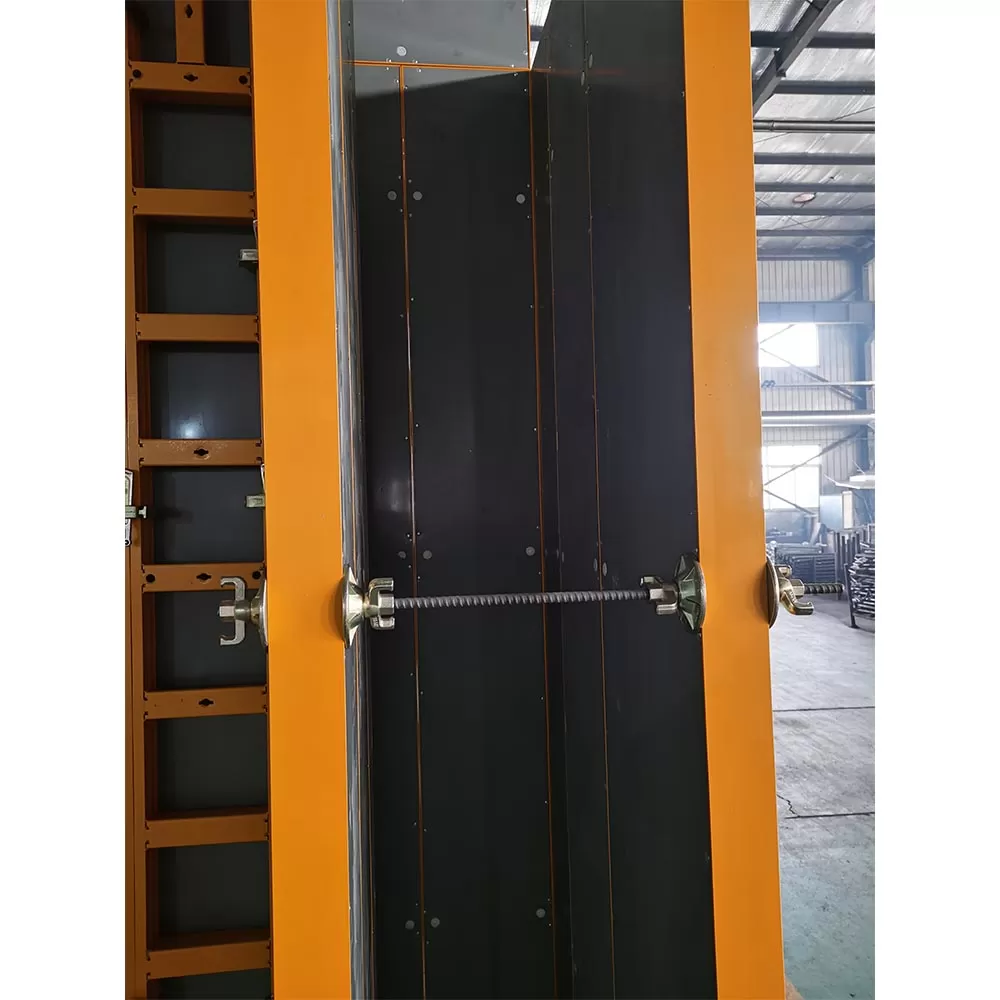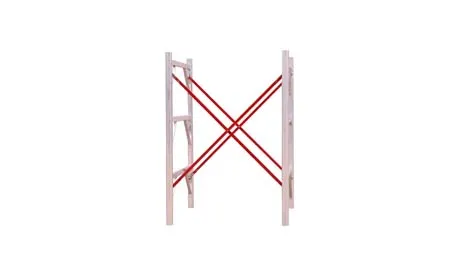
Proper scaffolding maintenance is essential for construction safety, worker productivity, and extending the service life of scaffolding systems. Whether you use frame scaffolding, ringlock scaffolding, cuplock systems, or steel planks, regular inspection and maintenance help prevent accidents, reduce replacement costs, and ensure compliance with international safety standards.
In this guide, we explain how to maintain scaffolding equipment correctly and efficiently.
Scaffolding equipment operates in harsh construction environments exposed to:
Rain and moisture
Mud and concrete residue
Heavy loads
Corrosion and rust
Frequent assembly and dismantling
Mechanical impact during transportation
Without proper maintenance, damaged scaffolding components can lead to:
Structural instability
Safety hazards
Project delays
Increased repair costs
Reduced equipment lifespan
Routine maintenance protects both workers and investments.
Daily inspection is the first step in scaffolding maintenance.
Check the following components carefully:
Inspect for:
Bent or deformed tubes
Cracks near welded joints
Rust or corrosion
Damaged locking pins
Excessive wear
Never use frames with structural deformation.
Ensure:
No bending or twisting
Locking ends are secure
Welds remain intact
Connections fit tightly
Loose braces can reduce overall scaffold stability.
Examine planks for:
Surface cracks
Warping
Slippery contaminants
Corrosion holes
Damaged hooks or edges
Replace unsafe planks immediately.
Check that:
Threads move smoothly
Base plates are not cracked
Nuts are not stripped
No severe rust exists
Lubricate screw threads regularly to prevent seizing.
Construction debris accelerates wear and corrosion.
After each project:
Remove concrete, paint, and mud
Wash steel parts with clean water
Dry equipment thoroughly
Remove oil or chemical contaminants
Avoid storing wet scaffolding because trapped moisture causes rust formation.
Corrosion is one of the biggest threats to steel scaffolding systems.
Use:
Hot-dip galvanized finishes
Anti-rust paint
Zinc coatings
Galvanized scaffolding generally lasts longer in outdoor environments.
Store scaffolding:
In dry and ventilated warehouses
Off the ground
Away from standing water
Protected from chemicals and salt exposure
Organized storage also reduces accidental damage.
Some scaffolding parts require periodic lubrication, including:
Adjustable screw jacks
Couplers
Hinges
Locking mechanisms
Use industrial-grade lubricants to maintain smooth operation and reduce friction wear.
Avoid over-lubrication because excess grease attracts dust and debris.
Never repair severely damaged structural scaffold parts through unauthorized welding or modification.
Replace components if you notice:
Deep corrosion
Structural cracks
Missing locking devices
Excessive deformation
Reduced load-bearing capability
Using damaged components can compromise the entire scaffold system.
Couplers are critical load-bearing connectors in tube and clamp scaffolding systems.
Maintenance tips include:
Remove dirt from threads
Check bolt tension
Inspect swivel movement
Replace worn nuts and bolts
Apply anti-rust treatment
Faulty couplers can lead to scaffold collapse.
Overloading is a common cause of scaffold damage.
Always:
Follow manufacturer load ratings
Distribute materials evenly
Avoid impact loading
Prevent excessive stacking of materials
Proper usage reduces structural stress and prolongs equipment life.
Improper handling during transportation and installation often damages scaffolding.
Workers should be trained to:
Avoid throwing components
Stack materials correctly
Use safe lifting methods
Secure scaffolding during transport
Training helps minimize preventable damage.
Professional scaffolding companies typically implement scheduled maintenance programs.
| Maintenance Task | Frequency |
|---|---|
| Visual inspection | Daily |
| Cleaning | After each project |
| Lubrication | Monthly |
| Corrosion inspection | Quarterly |
| Full structural inspection | Annually |
Maintenance records also help improve safety compliance and inventory management.
Avoid these common errors:
Storing scaffolding outdoors without cover
Ignoring small cracks or rust spots
Mixing incompatible scaffold systems
Using damaged planks
Failing to inspect locking mechanisms
Improper stacking during storage
Small maintenance issues can quickly become major safety risks.
Well-maintained scaffolding equipment provides:
Longer service life
Lower replacement costs
Improved construction safety
Better project efficiency
Reduced downtime
Compliance with safety regulations
Preventive maintenance is far more cost-effective than emergency replacement.
Maintaining scaffolding equipment is essential for construction safety, operational efficiency, and long-term cost savings. Regular inspections, cleaning, rust prevention, lubrication, and proper storage all contribute to reliable scaffold performance.
By implementing a consistent scaffolding maintenance program, construction companies can extend equipment lifespan while protecting workers on every job site.