Scaffolding Tower System: A Complete Guide to Safe and Efficient Access Solutions
In construction, maintenance, and industrial applications, working at height requires not only efficiency but uncompromising safety. Among the various access solutions available, the scaffolding tower system stands out as one of the most versatile and widely used structures.
We’ll explore what a scaffolding tower system is, its key components, advantages, and how to choose the right system for your projects.
What Is a Scaffolding Tower System?
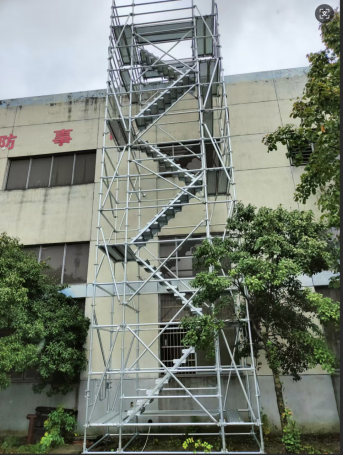
A scaffolding tower system is a freestanding vertical access structure designed to provide a safe working platform at height. Unlike traditional scaffolding that is fixed along a building facade, tower systems are typically:
* Modular
* Mobile or stationary
* Easy to assemble and dismantle
They are commonly used for tasks that require vertical access in a limited area.
Key Components of a Scaffolding Tower
A typical scaffolding tower system includes:
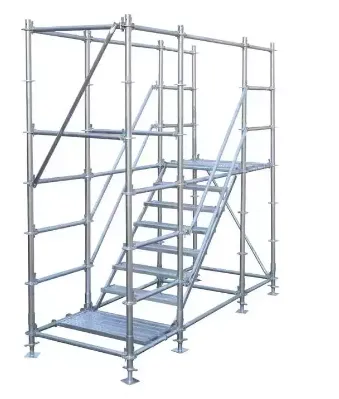
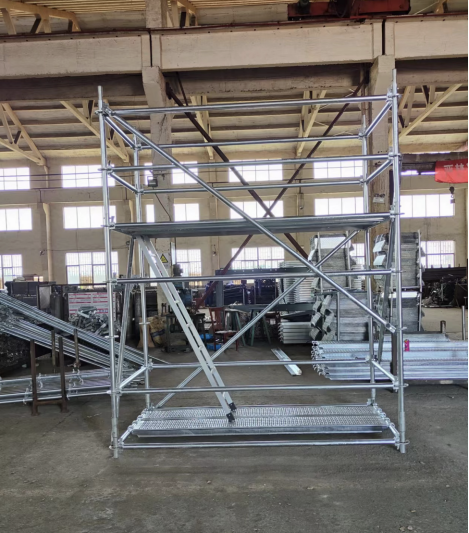
• Standards (Vertical ) Provide the main vertical support of the tower.
• Ledgers and Braces Ensure horizontal stability and prevent sway.
• Platforms / Decks Create safe working areas at different heights.
• Guardrails and Toe Boards Protect workers from falls and prevent tools from dropping.
• Ladders or Stair Units Allow safe access between levels.
• Base Plates or Castors Base plates for stationary towers and Wheels (castors) for mobile towers
Types of Scaffolding Tower Systems
1. Mobile Scaffolding Tower
* Equipped with wheels for easy movement
* Ideal for indoor work and maintenance
* Requires locking mechanisms for stability
2. Fixed (Static) Tower
* Installed in one location
* Higher load capacity
* Suitable for long-term projects
3. Aluminum Tower System
* Lightweight and corrosion-resistant
* Easy to transport and assemble
* Popular in Europe and high-standard markets
4. Steel Tower System
* Stronger and more durable
* Better for heavy-duty industrial use
* Cost-effective for large-scale projects
Advantages of Scaffolding Tower Systems
✔ Quick Assembly
Modular design allows fast setup without complex tools.
✔ High Mobility
Mobile towers can be repositioned easily, improving productivity.
✔ Space Efficiency
Ideal for confined areas where traditional scaffolding is impractical.
✔ Safety Compliance
Designed to meet international standards such as EN1004 and OSHA requirements.
Key Considerations When Choosing a Tower System
✔ Working Height
Determine the required platform height and overall tower height.
✔ Load Capacity
Ensure the system meets your project’s load requirements (personnel + materials).
✔ Material Selection
* Aluminum for lightweight and corrosion resistance
* Steel for strength and durability
✔ Platform Size
Choose adequate deck width and length for safe operation.
✔ Safety Features
Look for:
* Anti-slip platforms
* Guardrail systems
* Stabilizers or outriggers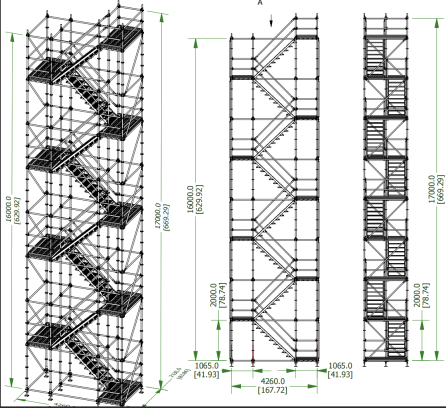
Safety Tips for Using Scaffolding Towers
* Always assemble according to manufacturer guidelines
* Use stabilizers for taller towers
* Lock wheels before use (for mobile towers)
* Do not exceed maximum load limits
* Inspect components before each use
Common Applications
Scaffolding tower systems are widely used in:
* Building construction and renovation
* Electrical and HVAC installation
* Warehouse maintenance
* Painting and finishing work
* Event setup and facility management
Final Thoughts
The scaffolding tower system is a reliable and efficient solution for working at height across a wide range of industries. Its modular design, ease of use, and strong safety features make it an essential tool for modern construction and maintenance work.
For contractors and suppliers, choosing the right tower system—and ensuring proper usage—can significantly improve both productivity and safety on site.

If you're looking to source high-quality scaffolding tower systems or develop customized solutions for your market, feel free to reach out for expert support and OEM services.