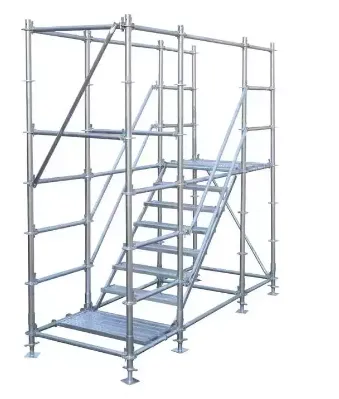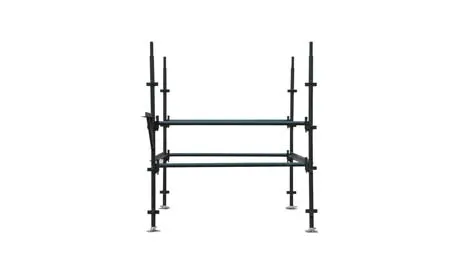
A Kwikstage scaffolding system is designed to support heavy construction loads while providing a safe and stable working platform for workers and materials. However, the exact load capacity depends on several factors, including scaffold design, component specifications, platform configuration, bay size, and compliance with engineering standards.
In general, a properly installed Kwikstage scaffold can support:
| Load Duty Rating | Typical Load Capacity |
|---|---|
| Light Duty | Up to 225 kg per platform |
| Medium Duty | Up to 450 kg per platform |
| Heavy Duty | Up to 675 kg per platform |
| Special Duty | More than 675 kg with engineered design |
These capacities may vary depending on local safety regulations and manufacturer specifications.
Kwikstage scaffolding is a modular scaffolding system widely used in:
Building construction
Bridge projects
Industrial maintenance
Shipbuilding
Infrastructure work
The system uses prefabricated components connected through wedge-lock mechanisms, allowing fast assembly and high structural stability.
Common components include:
Standards (vertical posts)
Ledgers (horizontal members)
Transoms
Diagonal braces
Steel planks
Base jacks
Toe boards
Its modular design helps distribute loads evenly across the structure.
Several variables determine how much load a Kwikstage scaffold can safely support.
Larger bay lengths reduce load capacity because longer spans experience greater bending stress.
Typical bay sizes include:
1.2 m
1.8 m
2.4 m
Shorter bays generally support heavier loads.
Wider platforms can distribute weight more effectively, but they also increase total structural loading.
The number of steel planks used affects overall capacity.
As scaffold height increases:
Compression loads on standards increase
Bracing requirements become more critical
Wind loads may affect stability
Tall scaffolding systems often require engineering calculations and additional ties.
High-quality galvanized steel Kwikstage systems provide better load performance than low-grade materials.
Load capacity depends heavily on:
Steel thickness
Tube diameter
Welding quality
Galvanization process
Proper diagonal bracing and wall ties are essential for maintaining structural rigidity.
Insufficient bracing significantly reduces safe working load.
Scaffolding erected on unstable or uneven ground cannot safely support design loads.
Base plates and adjustable screw jacks help distribute loads evenly.
Used for:
Painting
Inspection work
Light maintenance
Supports workers and small tools only.
Suitable for:
Bricklaying
General construction
Plastering
Supports moderate material storage.
Designed for:
Stone masonry
Heavy material handling
Industrial projects
Can support large quantities of construction materials.

| Component | Approximate Capacity |
|---|---|
| Standard Vertical Post | Several tons depending on height |
| Steel Plank | 200–300 kg uniformly distributed |
| Ledger | Varies by span length |
| Adjustable Base Jack | 4–6 tons typically |
Actual values depend on manufacturer engineering data.
Scaffold load ratings are usually based on uniformly distributed loads (UDL).
This means the weight must be spread evenly across the platform.
Concentrated loads from:
Pallets
Machinery
Material stacks
can exceed safe limits even if total weight appears acceptable.
Load capacities should comply with international standards such as:
EN 12811
AS/NZS scaffolding standards
OSHA requirements
BS standards
Professional engineering approval may be required for complex or high-load applications.
To maintain scaffold safety:
Never exceed manufacturer load limits
Distribute materials evenly
Avoid storing excessive materials on platforms
Inspect components regularly
Ensure proper bracing and ties
Use certified scaffolding components
Overloading can cause:
Platform failure
Structural collapse
Worker injuries
Project delays
Kwikstage systems are popular because they offer:
High load-bearing strength
Fast assembly and dismantling
Excellent stability
Flexible modular configurations
Durability in harsh environments
Compatibility with large-scale construction projects
Their wedge-lock connection system creates strong and reliable joints.
A Kwikstage scaffolding system can typically support loads ranging from light-duty 225 kg platforms to heavy-duty 675 kg platforms or more when professionally engineered. The actual safe working load depends on scaffold dimensions, bracing, height, material quality, and compliance with safety standards.
For maximum safety and performance, always follow manufacturer specifications and have complex scaffold structures reviewed by qualified engineers before use.