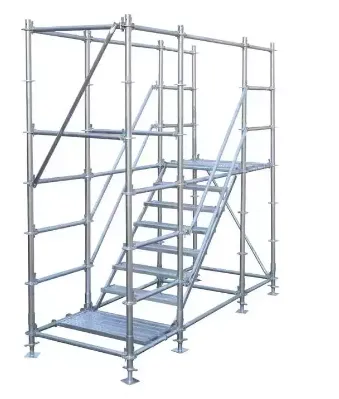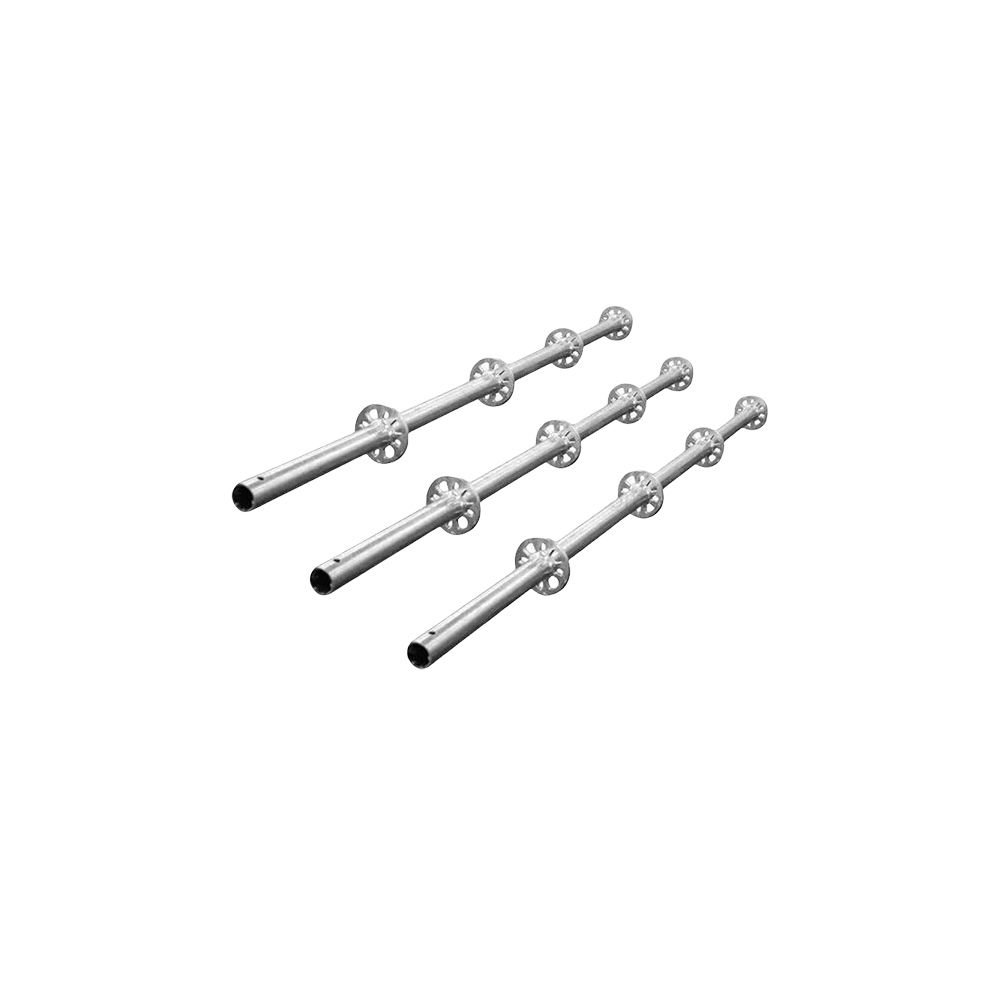
Where is Cuplock Scaffolding commonly used? In simple terms, Cuplock scaffolding is a modular steel scaffold system used to create safe, stable working platforms for construction, maintenance, and industrial access. It is especially valuable for businesses because it speeds up assembly, reduces labor time, and improves site safety through a rigid cup-and-ledger locking mechanism. For contractors, manufacturers, and project managers, this means faster turnaround, better load control, and more predictable project costs.
Cuplock scaffolding emerged as part of the broader evolution of modular access systems in modern construction. Compared with traditional tube-and-coupler scaffolding, it introduced a faster node-locking method that improved erection efficiency and reduced the reliance on loose fittings. Over time, it became a trusted solution across building, civil engineering, and industrial maintenance projects.
Today, the system is widely recognized alongside Scaffolding Ringlock System and other modular scaffold platforms. In fact, many contractors now compare Cuplock with Ringlock System Scaffolding when deciding which access solution fits a specific project scope. The difference is usually tied to geometry, load demand, assembly speed, and site conditions.
Cuplock scaffolding is not limited to one job type. It is commonly used wherever a dependable load-bearing structure and safe access platform are needed.
Cuplock is frequently used on residential towers, commercial complexes, and multi-story developments. It supports:
Because of its standardized node points, it is easy to build repetitive bays and maintain alignment across long elevations.
In bridge construction, the system is often used for falsework, maintenance platforms, and underside access. Civil contractors value the rigidity of the frame when working under dynamic site loads and uneven ground conditions.
This is also where Scaffolding Ringlock System often enters the discussion. Some engineers prefer the ring-node design for curved or highly irregular structures, while Cuplock remains a strong choice for straight, modular spans and formwork support.
Cuplock scaffolding is widely deployed in oil and gas facilities, power stations, and processing plants. These sites need access around pipes, vessels, turbines, and equipment skids.
Typical applications include:
For these environments, the platform must comply with stringent site controls. High-quality components are typically verified through 100% inspection, and tubes, ledgers, and standards should align with relevant testing references such as ASTM and DIN requirements depending on the project specification.
Shipbuilding and repair yards often require large, adaptable scaffold decks. Cuplock is used for hull access, surface preparation, welding, and repainting.
The structure’s modularity helps teams cover curved and vertical surfaces efficiently. However, for highly complex geometry, some projects also evaluate Ringlock System Scaffolding or the Scaffolding Ringlock System because of its flexible rosette connections.
While construction is the main market, Cuplock is also used for temporary platforms, grandstands, and event support structures where quick installation and high load capacity are important.
In this case, predictable assembly is a business advantage. Fewer components and faster erection can reduce labor hours and improve project scheduling.
The practical value of Cuplock scaffolding is straightforward: it saves time, improves safety, and supports heavy-duty applications.
Fast assembly and dismantling
The cup-and-blade connection reduces bolt-and-nut dependency and speeds up installation.
Strong load-bearing performance
The system is suitable for working platforms, access towers, and formwork support.
Repeatable modular layout
Standardized spacing simplifies planning and inventory management.
Reduced labor cost
Faster erection means fewer man-hours on site.
Reliable compatibility with project planning
Engineers can calculate scaffold load paths more consistently when the system is properly specified.
In many procurement discussions, Cuplock is compared directly with Scaffolding Ringlock System options. Contractors often choose Ringlock System Scaffolding for highly irregular facades, but Cuplock remains a strong choice when the layout is repetitive and the load demand is straightforward.
Even experienced users sometimes make avoidable mistakes. Clarifying these issues helps improve site safety and performance.
They are not. Cuplock uses a cup-locking node with ledgers fixed into the lower and upper cups, while Scaffolding Ringlock System uses a rosette and wedge-head connection. Both are modular, but they are not interchangeable.
Wrong. Scaffold selection depends on load class, access height, ground condition, and geometry. A scaffold designed for inspection access may not be suitable for heavy masonry or formwork support.
Speed is useful, but only when the material quality is controlled. Reputable suppliers should provide dimensional consistency, weld verification, and batch traceability. In precision manufacturing, tube cutting tolerances can be controlled to 0.01mm in critical production workflows, and project acceptance should always follow the specified standard.
They are not. Quality assurance should be tied to recognized specifications such as ASTM and DIN, with inspection records available for structural members, surface treatment, and dimensional checks.
Below is a simple comparison to help with project selection.
| Factor | Cuplock Scaffolding | Scaffolding Ringlock System |
|---|---|---|
| Connection type | Cup-and-blade node | Rosette and wedge head |
| Best for | Repetitive bays, formwork, access platforms | Complex geometry, curved or irregular structures |
| Assembly speed | Very fast | Very fast |
| Load capacity | High | High |
| Typical use | Buildings, bridges, industrial support | Façades, events, complex civil works |
Many contractors use both systems across different job types. For example, a company may choose Ringlock System Scaffolding for a curved façade and Cuplock for internal slab support. That flexibility improves resource utilization and project economics.
A refinery shutdown project needed access to multiple pipe racks and vessel platforms within a tight 24-hour mobilization window. The contractor selected Cuplock scaffolding for its repeatable bay layout and efficient deck installation.
The result:
In another project, the engineering team compared Cuplock with the Scaffolding Ringlock System for a section involving offset steelwork. They used Cuplock for the straight runs and switched to Ringlock System Scaffolding where geometry became irregular. This hybrid approach improved both productivity and safety.
To avoid procurement errors, buyers should verify the following:
This is where a trusted manufacturer like DYNAST adds business value. A reliable supplier can help match the scaffold system to the job scope, reducing risk and preventing costly site delays.
To sum up, Cuplock scaffolding is commonly used in building construction, bridge work, industrial plants, shipyards, and temporary platforms because it is fast to assemble, structurally efficient, and practical for repetitive access needs. It remains a dependable choice for many projects, while Scaffolding Ringlock System and Ringlock System Scaffolding are often selected for more complex geometries.
If you are evaluating scaffold options for your next project, compare the load requirements, layout complexity, and compliance standards first. For dependable supply, technical support, and project-fit recommendations, DYNAST can help you choose the right modular access solution with confidence.