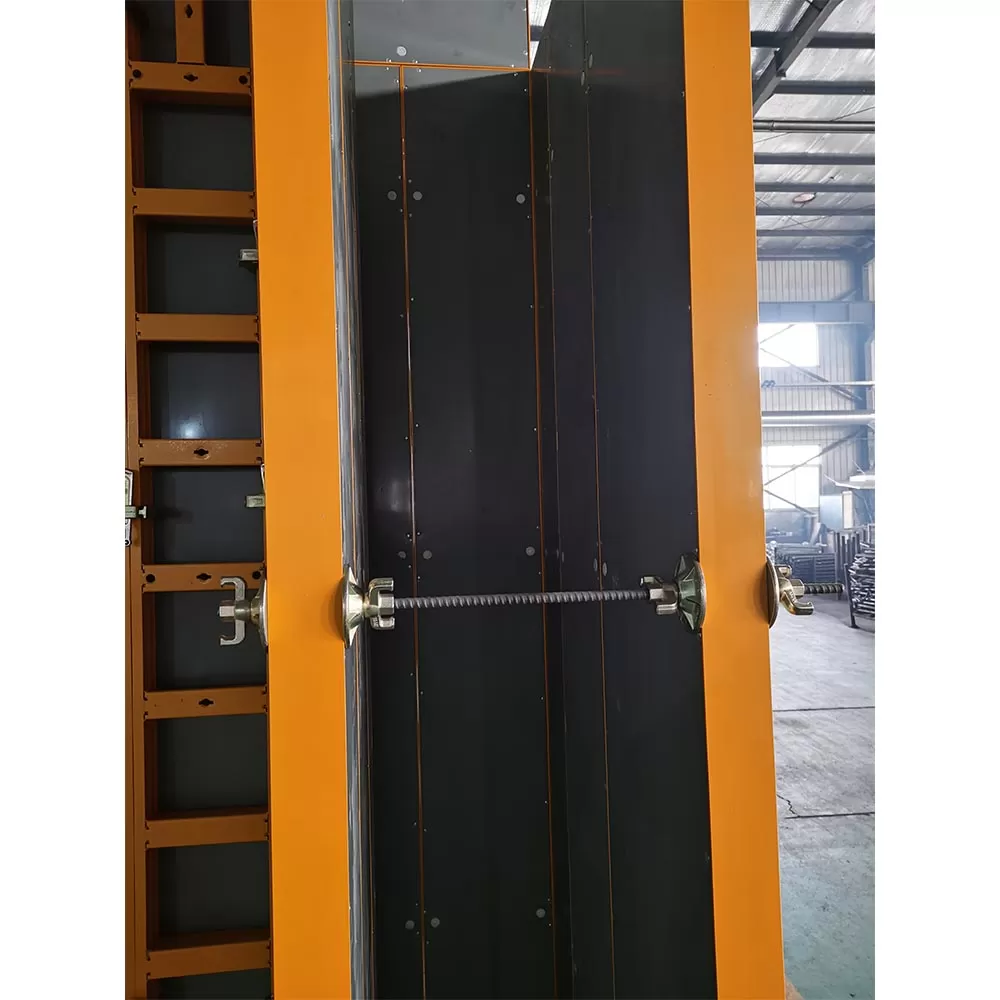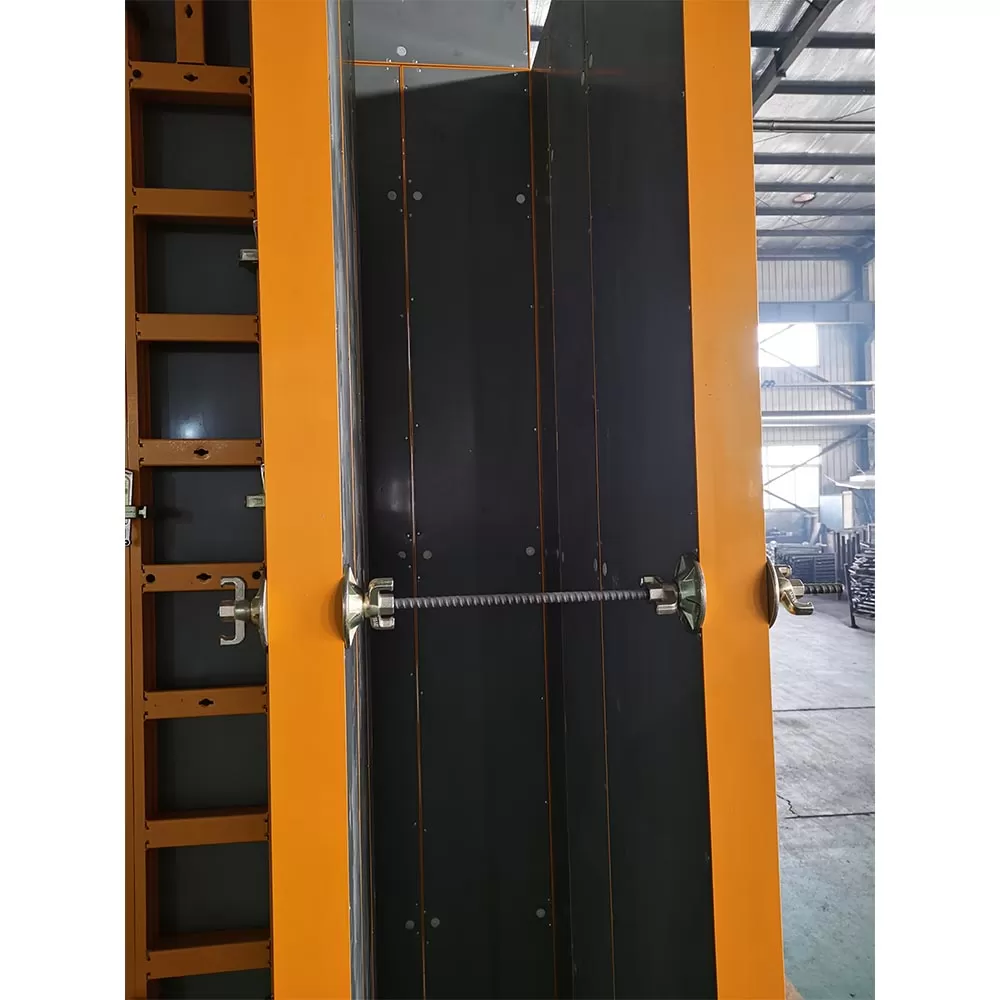
When people search for Formwork Tie Rod System related topics, they are usually trying to solve a real site problem: how to choose the right tension member for concrete shuttering, how to avoid leakage or bulging, and how to compare cost, installation speed, and reuse value. DYNAST has prepared this guide to answer the most common buying and usage questions in a practical way, with clear comparison tables, real-world performance points, and application suggestions. For product details and visual reference, please also see this image:
Searchers usually do not want a textbook explanation. They want to know whether a tie rod and a tie bar are the same thing, which one is used in their formwork system, and what problems each one solves on site. Most readers are contractors, site engineers, procurement staff, or distributors who need a fast decision.
The practical purchase group cares about more than material names. They want to know whether a product will save time, whether it can be reused many times, and whether it works with existing accessories. For them, a low unit price is not enough if the system is unstable or difficult to assemble.
Different projects need different solutions. A wall form, column form, tunnel lining, retaining wall, and bridge structure all place different demands on the tie system. Buyers want to know which choice is safer and more economical for their own application.
In the formwork industry, the terms are often used loosely. In many projects, a tie rod is the threaded tension rod used to resist lateral concrete pressure, while a tie bar may refer to a similar tension member or a supporting bar depending on local terminology, supplier habits, or system design. This is why confusion happens during purchasing.
In a Formwork Tie Rod System, the central role is to keep two form faces at the correct distance and prevent the fresh concrete from pushing the panels apart. Whether the item is called a tie rod or a tie bar, the buyer should check how it performs under load, how easy it is to install, and how many times it can be reused.
Users want a fast, simple explanation of the two terms, especially because the naming is inconsistent across countries and suppliers. This section should define each term in plain language and explain why confusion exists.
Searchers expect a clear table comparing purpose, structure, size, load performance, surface finish, and applicable projects. A table is one of the fastest ways to help buyers decide.
Buyers want real-world results, not just catalog descriptions. They care about installation speed, tightness, stability, corrosion resistance, and whether the system remains reliable after repeated use.
A balanced evaluation builds trust. Readers want to know where each product performs well and where it may fail, especially under heavy concrete pressure or in repeated construction cycles.
Different use cases require different strengths. The article should explain which option suits small building jobs, large infrastructure, export projects, or high-reuse rental systems.
Many purchasing mistakes happen because the rod or bar does not match the nuts, cones, sleeves, or panel system. Users want to know which accessories are needed and whether replacement parts are easy to source.
Readers want practical warnings. Examples include wrong thread selection, poor tightening, reusing damaged rods, or mixing incompatible components.
Commercial users need a trusted purchasing path. They want to know what to ask a supplier, which standards to check, and how to judge product quality before placing a bulk order.
The table below gives buyers a practical comparison. Exact specifications may vary by supplier and project requirement, but these are the most important parameters to review before purchase.
| Item | Tie Rod | Tie Bar |
|---|---|---|
| Main function | Resists formwork pressure and keeps panel spacing stable | May refer to a similar tension bar or support bar depending on market usage |
| Typical use | Wall formwork, column formwork, shear walls, retaining walls | General structural tying, supporting, or reinforcing applications depending on system |
| Thread type | Usually full-thread or specific threaded ends | May be threaded or plain depending on design |
| Surface treatment | Black, galvanized, or anti-corrosion finish | Varies widely by application |
| Load behavior | Designed for tensile force under concrete pressure | May not always be optimized for formwork tension load |
| Reuse potential | High if protected and properly cleaned | Depends on the actual product design and application |
| Key buying check | Diameter, thread accuracy, tensile strength, compatibility | Application definition, material grade, compatibility, and intended load |
On site, the biggest concern is whether the formwork stays aligned after concrete pouring begins. A good tie rod system should maintain tension, resist deformation, and be easy to tighten without wasting labor time. In real use, the most visible differences are usually in thread accuracy, surface quality, and how well accessories fit.
For this product category, buyers often mean service life or reuse cycles rather than battery life. The most common question is how many pours a rod can survive before bending, thread damage, or surface corrosion makes it unusable. This is a major purchasing pain point because low-cost products often look similar at first but fail earlier on site.
The tie rod is usually the more practical and clearly defined choice for formwork applications. It is built to handle tension, works well with standard accessories, and is easy to specify during procurement.
The main weaknesses usually come from poor quality control, not the concept itself. If the steel grade is inconsistent or the thread is inaccurate, installation becomes harder and performance drops quickly.
When the term tie bar is used for a compatible structural element, it may offer flexible application in certain systems. Some projects use it as part of a broader structural assembly where the terminology differs by region or supplier.
The biggest issue is ambiguity. If the buyer and supplier do not define the exact product, it is easy to receive a part that does not match the actual formwork requirement. This can delay the project and increase replacement cost.
Tie rods are usually the best choice for standard formwork work because they are designed to resist concrete pressure and maintain alignment across repeated pours.
If the project specification or local terminology uses tie bar for a compatible tension component, it may be acceptable as long as the mechanical performance and accessories match the system requirements. Buyers should not rely on naming alone.
The best choice depends on the buyer profile and project scale. Clear segmentation helps reduce procurement mistakes.
One of the most common pain points is receiving parts that look similar but do not fit the project. Buyers should always confirm exact diameter, thread size, length, steel grade, and surface finish before ordering.
Durability comes from both material quality and manufacturing accuracy. A good Formwork Tie Rod System should have clean threads, stable straightness, and effective corrosion protection.
For bulk buying, logistics matter as much as product quality. Buyers should confirm packaging to prevent thread damage, shipping protection to reduce rust, and after-sales support for any mismatch or defect issues.
If your goal is formwork tension control, the tie rod is usually the more direct and reliable choice. The term tie bar may be used in some markets, but it should only be selected after confirming exact function, dimensions, and accessory fit. In procurement, clarity is more valuable than naming habits.
For most construction buyers, the ideal solution is a clearly specified Formwork Tie Rod System with stable load performance, strong compatibility, and good reuse value. DYNAST recommends focusing on the full system rather than a single part name, because the complete set determines safety, speed, and project economy.
In short, the real question is not only Formwork Tie Rod vs Tie Bar, but which component delivers the safest and most efficient performance in your specific Formwork Tie Rod System. If you want reliable supply, practical engineering support, and consistent product quality, DYNAST can help you choose the right solution for your project.